


A Launch for the History Books
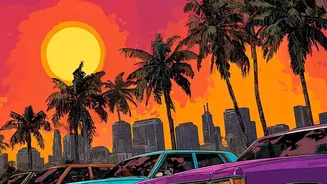
After more than a decade of anticipation, Grand Theft Auto VI launched on November 19, 2026, to unprecedented global fanfare. Publisher Take-Two Interactive reported an estimated $3.79 billion in worldwide retail sales on its first day, calling it the
biggest entertainment launch in history. Pre-orders alone surpassed the entire first-day sales of its legendary predecessor, GTA V. The release triggered a cultural phenomenon, with reports suggesting millions of people took time off work to immerse themselves in the fictional state of Leonida. This massive, simultaneous shift in consumer behavior created a unique economic ripple effect, extending far beyond the video game industry itself.
The Gamer's Hunger Games
For dedicated players, a major game launch is an event to be meticulously planned. Schedules are cleared, notifications are silenced, and real-world distractions are minimized. One of the biggest logistical challenges is food. Cooking is a time-consuming distraction, and stepping away from the screen is simply not an option for those deep into a mission. This is where the convenience economy comes in. Food delivery services have become an essential part of the modern gamer's toolkit, allowing for uninterrupted play. The trend isn't new, with studies showing that gamers are a high-frequency audience for food delivery apps, but the scale of the GTA VI launch has put this behavior into overdrive.
An Unprecedented Spike in Orders
Data from the launch period reveals a dramatic surge in food and drink orders. Uber Eats reported that in Miami, the real-world inspiration for the game's Vice City, orders between midnight and 5 a.m. on launch night jumped by over 30%. Nationwide, the company saw sales of items like energy drinks and pizza rolls skyrocket. DoorDash noted a similar pattern, with late-night orders for gamer-friendly fare like burgers, fries, and pizza increasing by more than 10%, while energy drink orders rose over 20%. Market intelligence firm Sensor Tower had even forecasted that the launch would drive an extra 50 million food app visits in the US within the first 30 days. This predictable rush has made major game releases a key target for food delivery platforms.
A Symbiotic Business Relationship
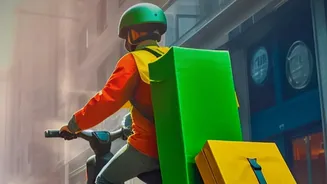
Food delivery brands were well-prepared for the GTA VI wave. Both Uber Eats and GrubHub offered promotions specifically timed for the launch. Uber Eats curated deals with 'one-handed eating' in mind, such as boneless wings and McNuggets, so players wouldn't have to put their controllers down. GrubHub offered a discount code aptly named 'OUTOFOFFICE'. This synergy is becoming increasingly common in India as well, where platforms like Zomato and Swiggy have previously leveraged major cultural events like cricket tournaments and even used in-game advertising to connect with their audience. For these companies, a massive game launch is a predictable, highly concentrated marketing opportunity with a captive audience that values convenience above all else.
More Than Just a Meal
The act of ordering in during a game launch has become part of the ritual itself. It is a shared cultural experience, reinforcing the idea that this is a special occasion, set apart from normal daily routines. It's about maximizing immersion and community, whether you're playing solo or coordinating with friends online. The game itself featured Easter eggs from real-world creators, and brands across sectors used the launch as a major pop-culture marketing moment, cementing its status as more than just a product release. As millions of players continue to explore the vast world of Vice City, food delivery drivers will be the unsung heroes keeping them fueled, one order at a time.