





Beyond the Scale: Why Inches Matter
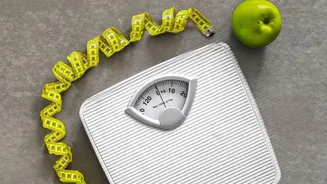
Relying solely on body weight can be misleading. When you exercise, you might gain dense muscle while losing fat, a positive change the scale won't reflect. Tracking your measurements, however, reveals these shifts in body composition. Seeing your waist
measurement shrink or your arm measurement increase is a clear sign that your hard work is paying off, even if your total weight stays the same. This method provides a more nuanced understanding of your progress, showing you're getting leaner and stronger. A high percentage of body fat, particularly around the organs, is linked to health issues like heart disease and diabetes, making measurement tracking a valuable preventative tool.
What to Measure for a Full Picture
For a comprehensive overview, focus on a few key areas. Common and useful measurements include the waist, hips, chest, arms (biceps), and thighs. Your waist measurement is a strong indicator of changes in abdominal fat, which is important for long-term health. Hip measurements help track changes in your lower body, while chest, arm, and thigh measurements can show muscle gain from strength training. You don't need to measure dozens of points; a consistent set of five to seven key areas will provide plenty of data to see trends over time. The goal is to get a complete picture of how your body composition is changing across different regions.
How to Measure for Accurate Results
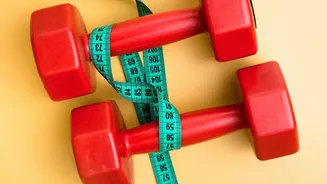
Consistency is the most important factor for accurate tracking. Always measure in the same spot and under the same conditions. Use a flexible, non-stretch tape measure. For best results, measure against bare skin. The tape should be snug but not so tight that it compresses the skin. Try to measure at the same time of day, such as first thing in the morning, when your body is least likely to be affected by bloating from meals. Stand in a relaxed, neutral position and breathe normally. Recording your measurements every two to four weeks is a good frequency to observe meaningful changes without getting discouraged by small, daily fluctuations.
Choosing Your Record-Keeping Tool
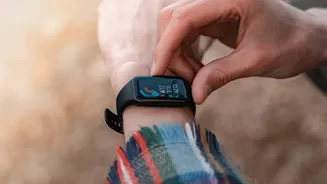
Once you have your numbers, you need a place to store them. A simple notebook works well and is completely private, but it can be lost and makes it hard to visualize trends. A digital spreadsheet offers more flexibility for creating charts but requires manual setup. The most popular option today is a dedicated mobile app. Apps like Progress, MeThreeSixty, and My Body Measurement Tracker are designed specifically for this purpose. Many allow you to log measurements, track trends with graphs, and store progress photos. Some advanced apps even use your phone's camera to create a 3D avatar and estimate measurements without a tape measure.
Keeping Your Sensitive Data Secure
When using a digital tool, especially a mobile app, it's crucial to protect your personal health information. Unlike records kept by your doctor, data you enter into most apps is not protected by laws like HIPAA. Before downloading an app, read its privacy policy to understand how your data is collected, stored, and shared. Choose apps from reputable developers and check the permissions the app requests. Opt for apps that store data encrypted on your device or in the cloud. To secure your account, use a strong, unique password and enable two-factor authentication if available. Periodically review your app's settings, as updates can sometimes reset privacy controls to a less secure default.