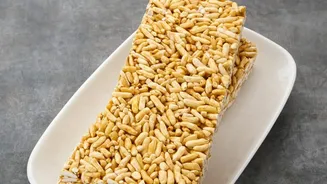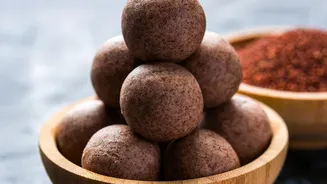



The movie-night ritual is incomplete without a bowl of popcorn. But what if another contender could join the snack table, not as a replacement, but as a delicious, crunchy, and nutritious companion? Enter ragi pops, the modern snack with ancient roots.
Meet Ragi: The Ancient Grain in a Modern Snack
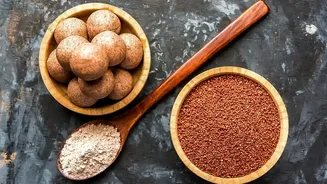
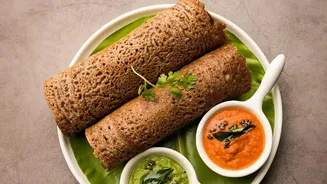
Ragi, also known as finger millet, is a staple grain that has been cultivated in India and Africa for centuries. Recognised by its small, reddish-brown beads, this humble millet has long been a cornerstone of traditional diets, often ground into flour for rotis, dosas, and porridges. Its recent resurgence is no surprise; people are rediscovering that these ancient grains are packed with nutrients. The 'pops' are simply puffed ragi grains, which can be roasted to create a light, airy, and crunchy snack, offering a new way to enjoy this nutritional powerhouse. This modern format makes the goodness of ragi more accessible and convenient for today's fast-paced lifestyles.
The Nutritional Showdown: Ragi vs. Popcorn
While popcorn, a whole grain itself, is a decent source of fibre, ragi pops bring a different set of strengths to the snack bowl. Ragi is celebrated for being one of the best plant-based sources of calcium, containing significantly more than other cereals like rice or wheat. This makes it excellent for bone health, especially for children and older adults. Furthermore, ragi is a good source of iron, which is vital for preventing anaemia. It also provides high-quality protein and has a low glycemic index, which helps in regulating blood sugar levels—a benefit not as pronounced in corn. While plain, air-popped popcorn is low in calories, ragi offers a more dense nutrient profile, including minerals like potassium and phosphorus, making it a more holistically fuelling option.
Beyond the Crunch: Taste, Texture, and Versatility
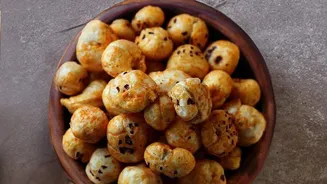
Ragi pops have a mild, slightly nutty flavour that makes them incredibly versatile, much like popcorn. On their own, they offer a satisfying crunch. But their real potential is unlocked with seasonings. They can be prepared as a spicy chivda with curry leaves, peanuts, and classic Indian spices, or even as a sweet treat. Some creative home cooks coat them in melted dark chocolate and seeds for a healthier dessert-like snack. This adaptability means you can tailor them to any craving, whether you want something savoury for your evening tea or a sweet, crunchy topping for your morning yoghurt. Their texture also makes them a great addition to salads or soups, adding a welcome crunch without the extra oil of fried croutons.
Choosing Your Pops: Store-Bought vs. Homemade
The market for ragi_based snacks is growing, with many brands offering flavoured ragi puffs and chips. When buying pre_packaged versions, it's wise to read the label. Look for options that are baked or roasted, not fried, and check the sodium and sugar content, as these can vary widely. Many products now cater to health_conscious consumers with clean ingredient lists, free from MSG and preservatives. For a truly healthy and cost_effective option, you can make ragi pops at home. The process involves soaking the ragi grains, allowing them to sprout (which enhances nutrient absorption), drying them, and then roasting them on low heat in a pan until they puff up. This DIY approach gives you complete control over the ingredients and seasonings.