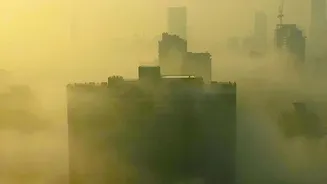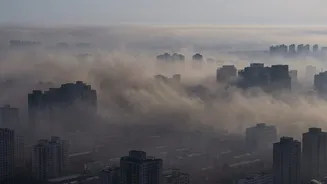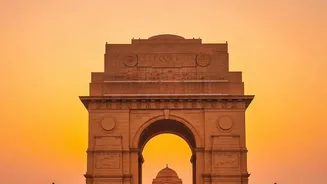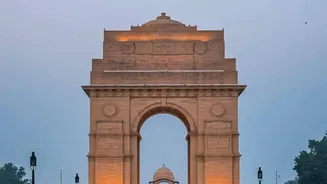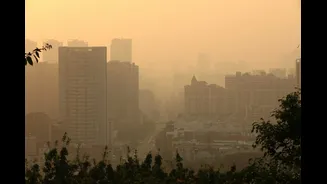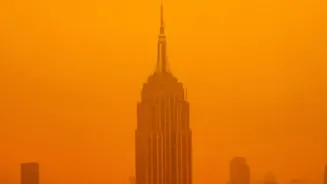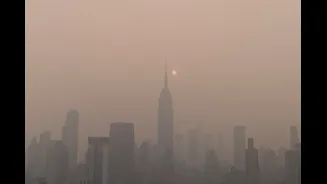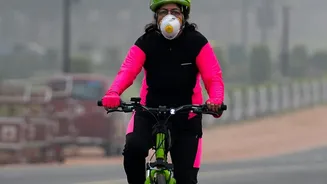



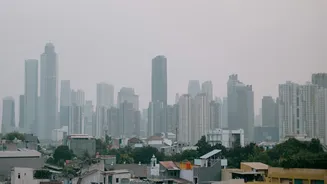
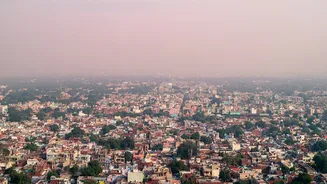
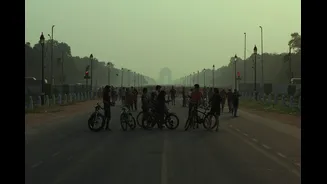
As winter descends on Delhi, a familiar grey haze blankets the skyline, a stark visual reminder of the city's annual battle with air pollution. Beyond the alarming daily AQI numbers, however, lies a deeper, more pervasive crisis.
An Atmosphere of Concern
As of November 12, 2026,
Delhi's air quality continues to be a major issue, with the Air Quality Index (AQI) frequently entering the 'very poor' and 'severe' categories. Following recent Diwali celebrations, particulate matter, especially PM2.5, spiked to hazardous levels across the national capital, with some monitoring stations recording AQI values well over 400. On Thursday, November 12, the city's average AQI was recorded at 323, classified as 'very poor'. This recurring crisis is a complex mix of factors, including vehicular emissions, industrial discharge, construction dust, and seasonal stubble burning in neighbouring states, all trapped by meteorological conditions like lower temperatures and reduced wind speed.
A Public Health Emergency
The impact of this toxic air on human health is devastating and multifaceted. It's not just about coughs and itchy eyes. Prolonged exposure to high levels of PM2.5 is linked to a host of chronic and severe health conditions. These fine particles can penetrate deep into the lungs and enter the bloodstream, increasing the risk of respiratory diseases like asthma and bronchitis, as well as cardiovascular events such as heart attacks and strokes. Studies have shown that deaths associated with air pollution in Delhi tend to occur at a younger age, meaning more years of life are lost. Children are particularly vulnerable, with an estimated 2.2 million in the city suffering from irreversible lung damage due to poor air quality. There is also growing evidence linking air pollution to mental health issues like anxiety and depression.
The Heavy Economic Toll
The pervasive smog also casts a long shadow over the economy. The health crisis translates directly into significant financial costs from increased medical expenditure and lost productivity. According to one report, air pollution costs India about 1.36% of its GDP annually through premature deaths and illness. Health insurance claims related to pollution have surged, with total payouts increasing 4.5 times between FY23 and FY26, indicating a growing financial burden on households. Cardiovascular conditions are the largest driver of these claims. The economic damage extends further, impacting business through lost workdays and reduced overall productivity. This recurring environmental issue can also deter tourism and new investment, slowing economic growth in the long run.
Life Disrupted Under a Grey Sky
Beyond health and finances, Delhi's air pollution profoundly disrupts the very fabric of daily life. The 'severe' air quality days often lead to school closures, cancellation of outdoor events, and a general retreat indoors. This forced confinement has a significant psychological impact, curtailing social interaction and recreation. A whole 'pollution economy' has emerged, with air purifiers and masks becoming essential household items. The government's response has become a familiar annual cycle. Measures under the Graded Response Action Plan (GRAP), such as halting construction and restricting vehicle entry, are frequently activated. This year's 'Winter Action Plan' includes a 'No PUC, No Fuel' policy and promoting work-from-home arrangements, yet the persistence of the problem highlights the need for more permanent, systemic solutions.