


The Old Calendar Is Fading
For decades, Indian travel was predictable. The big annual vacation was the norm, often taken during the summer break or packed into the festive window from Diwali to New Year's. The period from July to September was largely seen as a travel dead zone
due to the monsoon. That's no longer the case. Data and industry reports show that this entire second half of the year is becoming a significant travel period. Bookings for the monsoon months of July to September have seen a major spike, while the post-monsoon, pre-Diwali 'shoulder season' is now being treated as a peak window in its own right. Travellers are no longer waiting for one big holiday, instead opting for several shorter trips spread throughout the year.
The 'Workation' and Digital Nomad Effect
One of the most significant drivers of this change is the evolution of work culture. The rise of remote and flexible work arrangements has untethered millions of Indian professionals from their office desks. This has given birth to the 'workation' and a growing domestic digital nomad culture. People can now travel to a destination and stay for weeks, blending work with leisure. This trend allows travel outside of traditional holiday peaks, filling up hotels and homestays during what were once quiet months. Destinations like Goa, Manali, Rishikesh, and even smaller towns in the hills are becoming year-round hubs for those who can log in from anywhere with a decent internet connection.
A New Holiday Mindset
The very idea of a vacation is shifting from a once-a-year luxury to a regular habit. This is giving rise to a 'micro-holiday economy', where spontaneous weekend getaways and three- to five-day trips are becoming common. A public holiday falling on a Friday or Monday is now a prime opportunity for a quick escape. The dense festive calendar of September and October, with holidays like Ganesh Chaturthi, Navratri, and Dussehra, provides a perfect excuse for many to string together a longer break with just a few days of leave. This shift is also powered by a desire for experiences over just sightseeing. Travellers are seeking cultural immersion, wellness retreats, and nature-focused trips, which are often more enjoyable with fewer crowds in the shoulder seasons.
The Appeal of the Post-Monsoon Glow
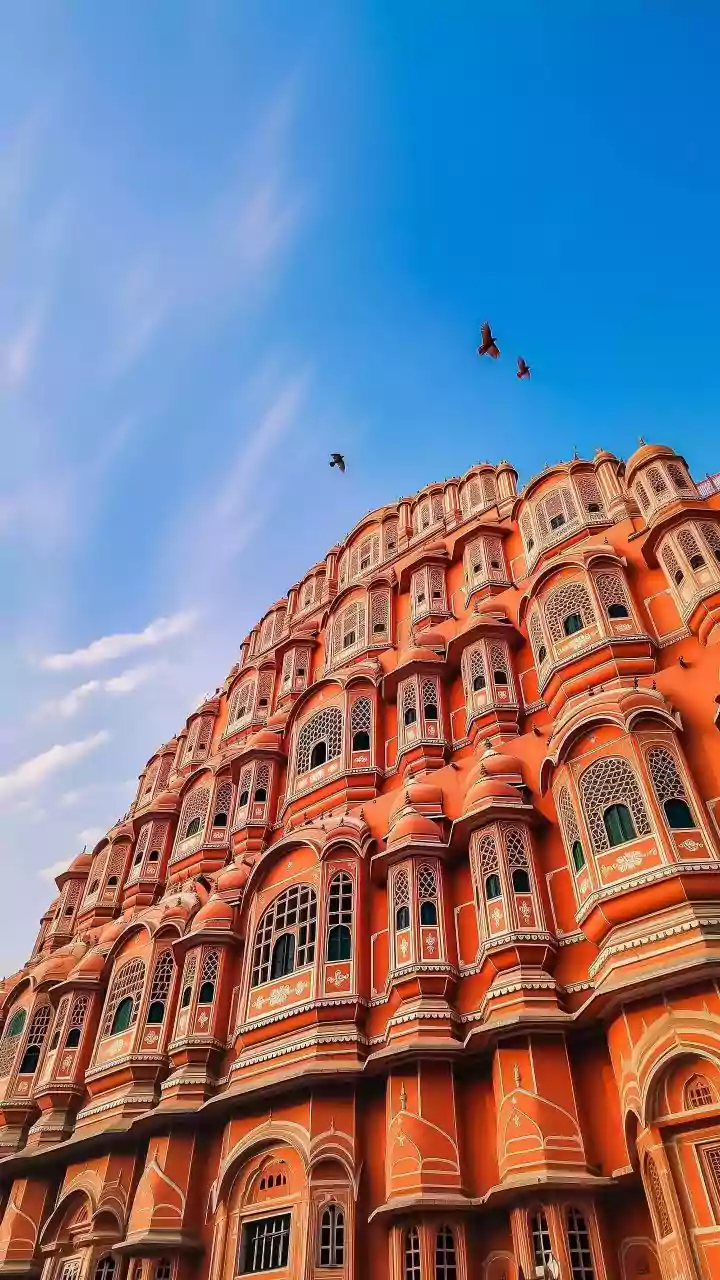
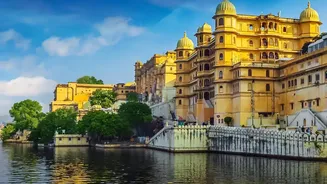
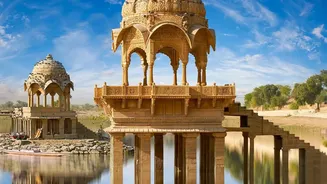
The weather itself is a major draw. As the monsoon recedes, it leaves behind a country washed clean, with lush green landscapes and full waterfalls. The period from September to November offers pleasant weather before the winter chill sets in, making it ideal for outdoor activities. Destinations that are either too hot in summer or too crowded in winter become perfect. Hill stations across the country, heritage cities in Rajasthan, and the backwaters of Kerala are especially appealing during this time. What was once an 'off-season' is now being marketed and embraced as a unique time to experience India at its most vibrant and beautiful.
The Industry Is Adapting
The travel and hospitality industry has been quick to respond to and encourage this trend. Airlines, hotels, and travel operators are offering attractive deals and packages specifically for the monsoon and post-monsoon periods, which were once heavily discounted. Prices are becoming more resilient year-round in popular spots like Goa as demand evens out. There's also a growing focus on developing and promoting emerging destinations, particularly in Tier-II and Tier-III cities and regions like the Northeast, to cater to travellers looking for offbeat experiences. This strategic push helps distribute the tourist load and creates a more sustainable, year-round travel economy.