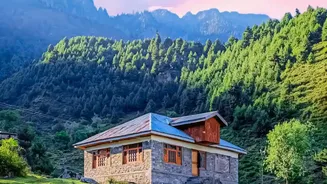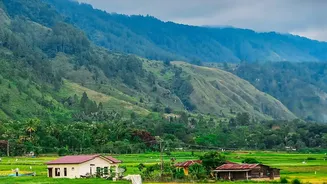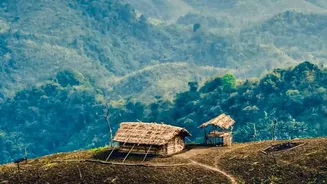







Ziro Valley: A World Apart
Nestled high in the Eastern Himalayas, Ziro Valley is the ancestral home of the Apatani people. Their unique way of life, particularly their sophisticated system of paddy-cum-fish cultivation, is so sustainable it's been nominated as a UNESCO World Heritage
site. This harmonious relationship between community and nature is what draws travellers seeking more than just pretty pictures. The landscape is a patchwork of lush green fields, bamboo groves, and traditional stilt houses, offering a glimpse into a culture that has thrived for centuries. The valley is a haven for those looking to disconnect and experience a slower, more intentional way of life.
Your First Step: The Inner Line Permit (ILP)
Before you can even think about booking a stay, you need to secure an Inner Line Permit (ILP). This is a mandatory travel document for all Indian citizens who are not residents of Arunachal Pradesh. The permit system was established to regulate entry into this ecologically and culturally sensitive region, protecting its unique heritage. Thankfully, the process has been streamlined for the digital age. Young travellers can easily apply online, making this crucial first step straightforward and quick. Without a valid ILP, you will be turned away at the entry checkposts, so it’s not a step to be skipped.
Applying for Your eILP: A Quick Guide
The easiest way to get your permit is through the official Arunachal Pradesh eILP portal. The process is simple: register on the site, fill out the application form with your personal details and travel dates, and specify the districts you plan to visit, including Ziro (Lower Subansiri district). You will need to upload a recent passport-sized photograph and a scanned copy of a valid photo ID, like an Aadhaar card or driving license. The fee is typically around ₹500 for a tourist permit valid for up to 14 days. Approvals are often processed within a day or two, after which you can download and print the permit to carry with you.
Beyond Hotels: The Magic of Sustainable Homestays
Once your permit is sorted, the real adventure begins with choosing where to stay. In Ziro, forgoing conventional hotels for a homestay is the best way to have an immersive experience. These are not just rooms for rent; they are invitations into the homes and lives of Apatani families. Staying in a homestay means your money directly supports the local community, contributing to the preservation of their culture and way of life. It’s a choice that aligns with the values of many young travellers who prioritise authentic connections and responsible tourism.
What Makes a Ziro Homestay Sustainable?
Sustainability in Ziro is about more than just a token eco-label. It is woven into the very fabric of Apatani life. Many homestays are built using traditional, locally sourced materials like bamboo and wood. They offer meals prepared with organic ingredients, often sourced from their own kitchen gardens or the surrounding fields. By choosing a homestay, you are participating in a micro-economy that values tradition and conservation. You’ll wake up to the sounds of the village, share meals cooked on a traditional hearth, and listen to stories that have been passed down through generations. This form of tourism helps maintain the delicate balance that has made Ziro so special.
Finding Your Perfect Homestay
Finding a homestay in Ziro has become easier with a growing online presence. Many hosts list their properties on platforms like Airbnb or have their own websites and social media pages. You can find a range of options, from cozy rooms within a family home to independent bamboo cottages. When booking, look for places that highlight their connection to Apatani culture, offer traditional meals, and are run by local families. Reading reviews from other travellers can also provide valuable insight into the experience. The best time to visit is generally between March and October, with September being particularly popular due to the famous Ziro Music Festival.