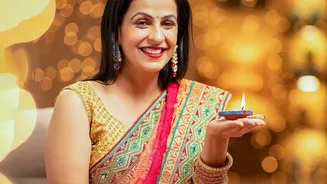


Once a beloved collection of homemade snacks confined to Maharashtrian homes during Diwali, Faral is now reaching dinner tables across India. This isn't just a food story; it's a tale of digital transformation, powered by online stores and creators.
A Platter of Tradition
Before
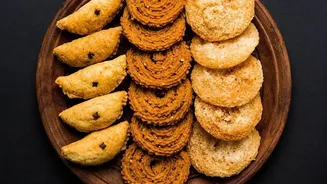
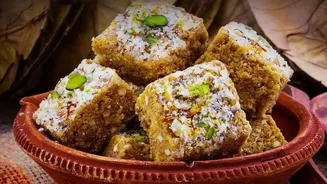
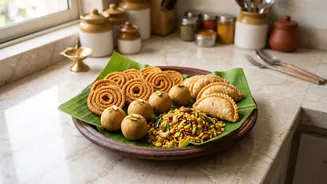
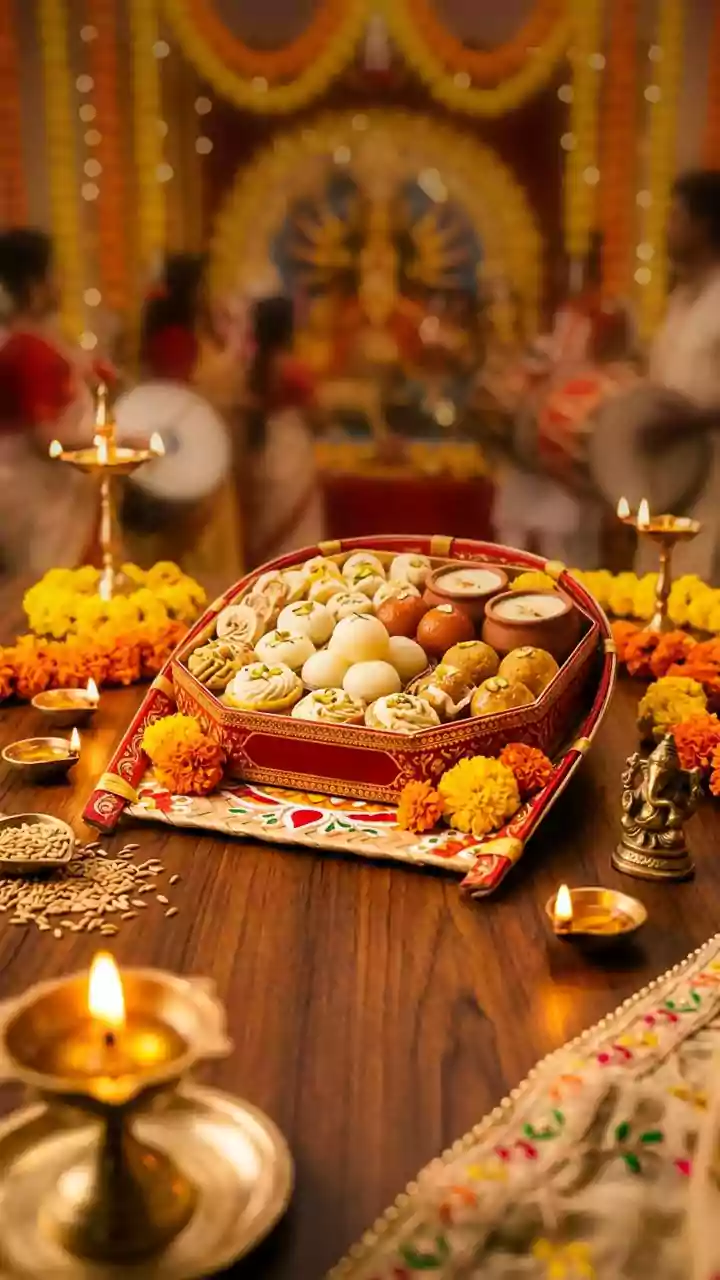
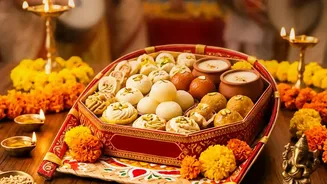
we unpack its journey, what exactly is Faral? It isn't a single dish, but a carefully curated platter of sweet and savoury snacks traditionally prepared for Diwali. This assortment is central to the festive experience in Maharashtra, made in large batches to share with visiting family and friends. The savoury side often features the iconic spiral-shaped 'Chakli,' a crunchy snack made from rice and gram flour, mildly spiced and perfect with tea. It's accompanied by 'Poha Chivda,' a light, roasted mixture of flattened rice, nuts, and spices. Sweet offerings include 'Shankarpali,' crispy, diamond-shaped fried dough that can be sweet or savoury, and 'Karanji,' a crescent-shaped pastry filled with coconut and jaggery. Making Faral is a time-honoured tradition, with recipes passed down through generations, signifying bounty and community.
The Rise of the Digital Dabba
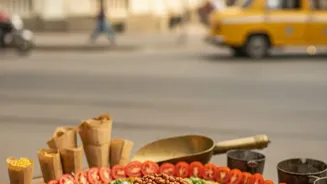
For decades, enjoying authentic Faral outside of Maharashtra depended on having a generous friend or relative. Today, that's changing thanks to e-commerce. A growing number of online platforms, from large marketplaces to specialized regional food sellers like The State Plate and Mirchi.com, are creating a national market for these festive treats. These sites act as a bridge, connecting small-scale producers and home chefs with a pan-Indian customer base. They handle the complex logistics of payments, packaging, and shipping, allowing a home cook in Pune or a small business in Nagpur to sell their 'Besan Ladoos' to a family in Delhi or Bengaluru. Many of these platforms focus specifically on preserving regional culinary heritage, offering curated 'Faral hampers' that bundle multiple items from well-known local brands and artisans, delivering a complete, authentic experience to doorsteps worldwide.
Creators Stirring the Appetite
The other key ingredient in this trend is the digital food creator. Influencers on platforms like Instagram and YouTube have become powerful tastemakers, introducing regional cuisines to new audiences through visually appealing content. Creators like Madhura Bachal of 'Madhura's Recipe' and Saee Koranne, author of 'Pangat,' have demystified Maharashtrian cooking for millions. Through easy-to-follow recipe videos and stories about the cultural significance of these foods, they don't just teach you how to make Chakli; they create a craving for it. This visual storytelling turns a regional snack into an aspirational product. A short, engaging Reel of someone making perfectly flaky Karanji can spark curiosity and drive a viewer to search for it online, directly feeding the e-commerce engine. Home cooks become stars, and their authentic presentations make Indian cooking feel more accessible to everyone.
From Festive Treat to Anytime Snack
The combined effect of e_commerce accessibility and creator_driven popularity is a subtle but significant cultural shift. While deeply rooted in Diwali, Faral items are slowly shedding their strictly festive identity. As these snacks become available year_round online, consumers are beginning to treat them as premium, everyday indulgences. A box of Bhakarwadi or a packet of Chivda is no longer just a Diwali gift but a delicious alternative to mainstream packaged snacks. This evolution mirrors the journey of other regional Indian foods that have gained national popularity. The digital marketplace ensures that the craving sparked by a social media post can be satisfied almost instantly, whether it's Diwali or any other time of the year. This expanding market provides a sustainable source of income for home chefs and small businesses, ensuring that these culinary traditions not only survive but thrive in a connected India.