



More Than Just a Balloon
When you hear "inflatable," you might think of a simple party balloon, but these space-faring structures are anything but. Designed to launch in a compressed state inside a conventional rocket fairing, they expand once in orbit to create voluminous living
and working areas. This pack-and-inflate method solves one of the biggest challenges in space construction: the limited size of rocket payloads. The shell is made of multiple layers of high-strength, flexible materials like Vectran—a fabric five times stronger than steel—designed to withstand the vacuum of space, radiation, and impacts from micrometeoroids. The result is a habitat that offers significantly more interior volume for its launch weight compared to traditional rigid metal modules, maximizing precious orbital real estate.
The Commercial Space Race Heats Up
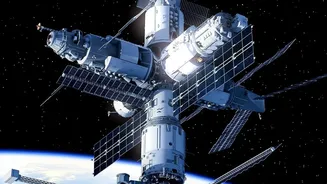
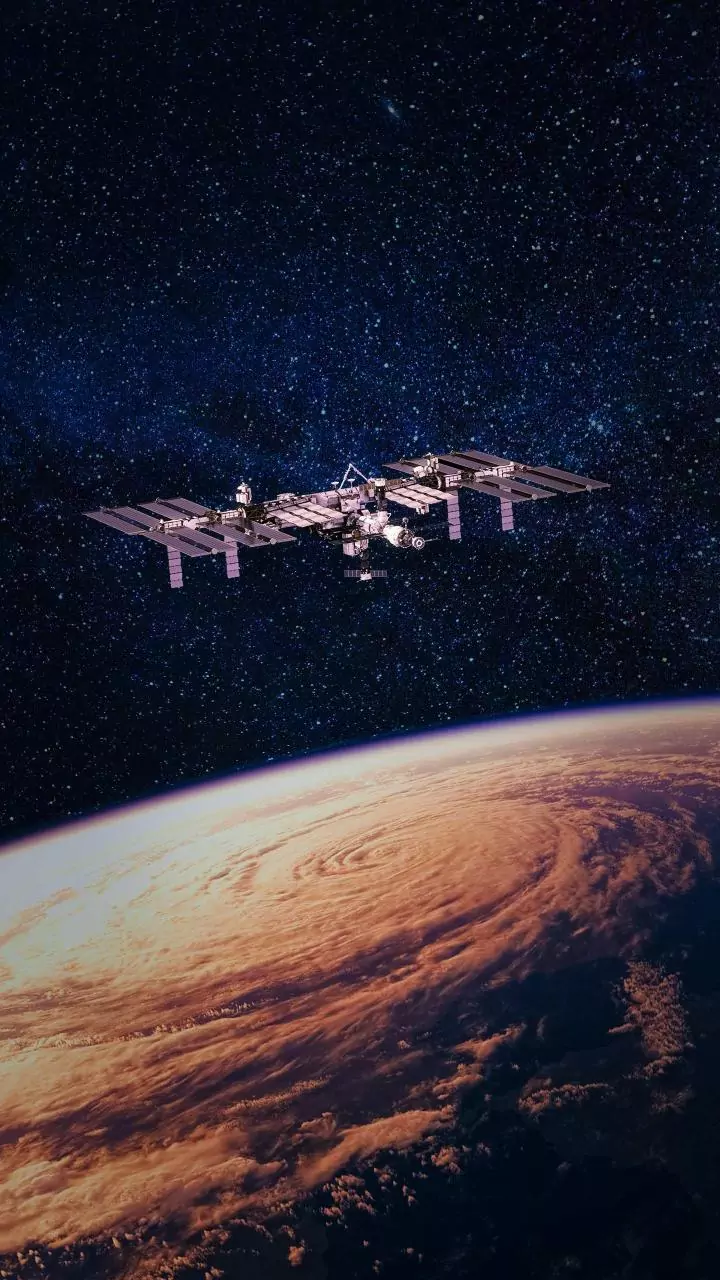
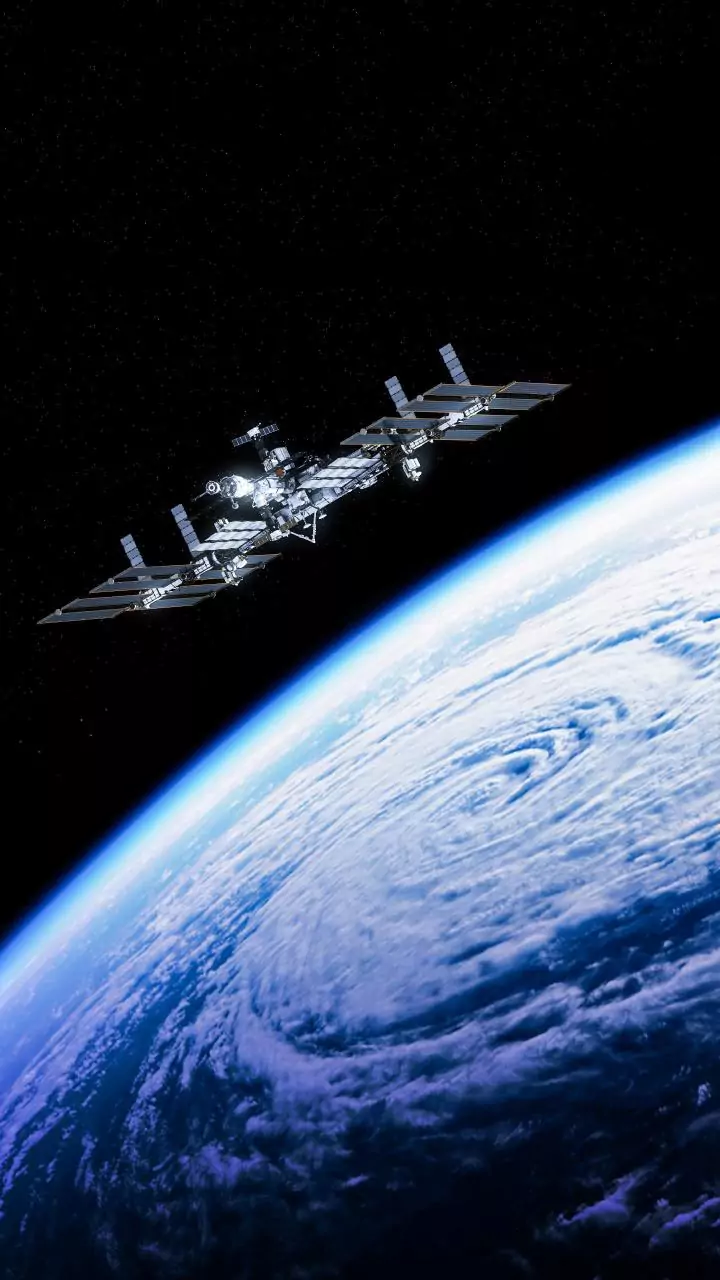
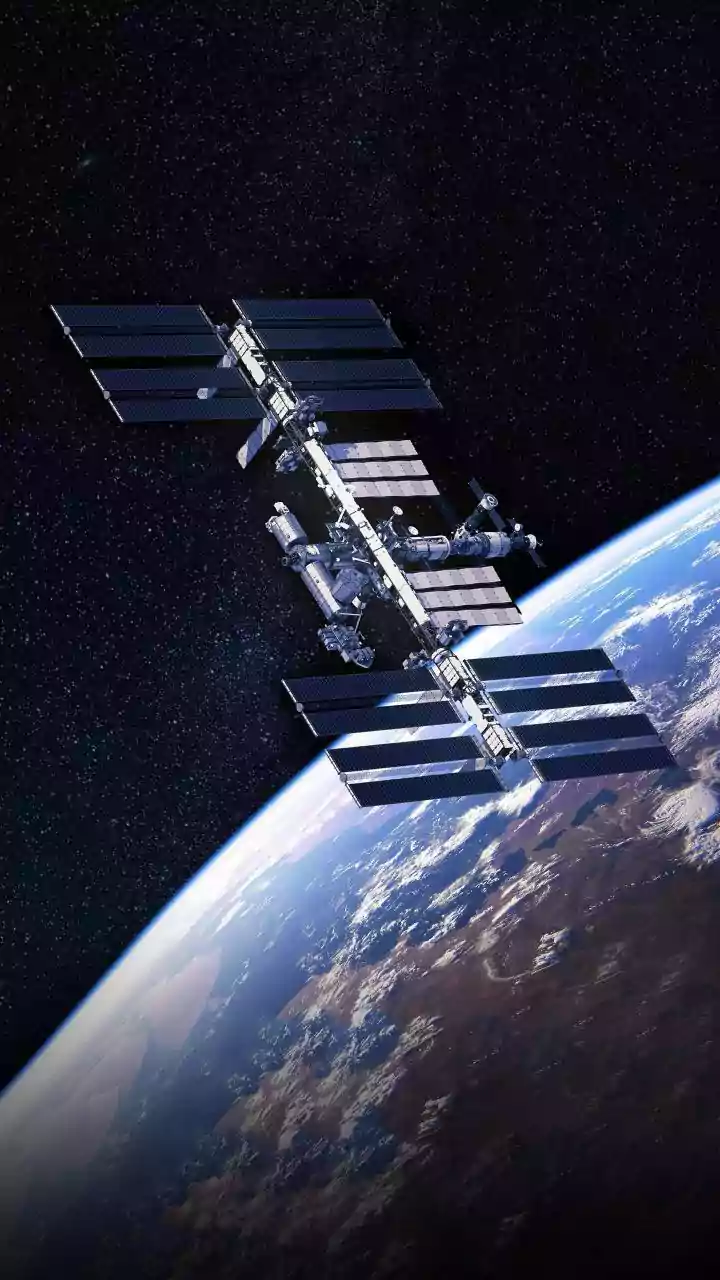
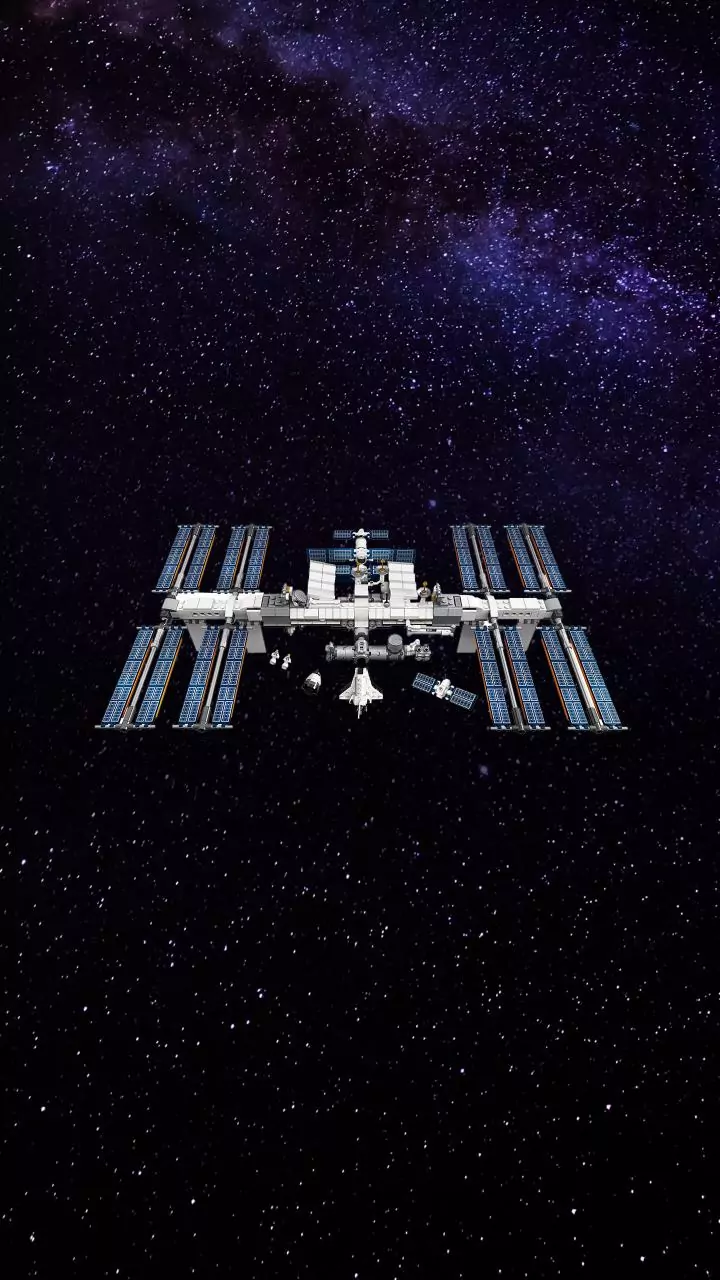
With the International Space Station (ISS) scheduled for retirement around 2030, a new market has opened for commercial successors, and several companies are racing to fill the void. A leading contender is Sierra Space, which is developing the Large Integrated Flexible Environment (LIFE) habitat. This three-story inflatable module is a key component of Orbital Reef, a planned "mixed-use business park" in space being developed with Blue Origin. Recent successful burst tests, conducted with NASA's support, have proven the structural integrity of the LIFE design, pushing it closer to flight certification. Another major player is Axiom Space, which is already building its more traditional modular station. Its first module is planned to attach to the ISS in the coming years before eventually detaching to become a free-flying commercial hub. These ventures, backed by both private investment and NASA funding through its Commercial Low Earth Orbit Destinations program, signal a major shift from government-led space exploration to a robust commercial ecosystem.
A New Laboratory in the Sky
The primary purpose of these new commercial stations is to provide continuity for the critical science conducted on the ISS and to open up new avenues for research and development. The unique microgravity environment offers unparalleled opportunities for breakthroughs in various fields. Pharmaceutical companies can study protein crystallization to design more effective drugs, while biotech firms explore the 3D printing of human organs without the constraints of gravity. Materials science will benefit from creating novel alloys and semiconductors that are impossible to produce on Earth. Furthermore, these habitats will feature advanced facilities like the Astro Garden system for growing fresh produce, which is vital for long-duration missions and for understanding plant growth in space. By offering services to a wide range of clients—including nations, academic institutions, and private companies—these stations will function as orbital labs and factories, driving innovation.
Building a Sustainable Orbit
The shift towards commercial space stations powered by technologies like inflatable modules is about more than just replacing the ISS. It represents a fundamental change in how humanity accesses and utilizes space. The goal is to create a self-sustaining economy in low-Earth orbit where research, manufacturing, and even tourism can thrive. Companies like Axiom Space and the Orbital Reef partners are not just building habitats; they are building platforms for an entire ecosystem of services, from transportation and logistics to in-space data processing and crew support. By lowering the cost and increasing the availability of space-based research, these commercial stations will democratize access to the final frontier, allowing a broader range of organizations to explore the benefits of microgravity. This burgeoning orbital economy is the crucial next step in humanity's journey to becoming a true spacefaring civilization.