








The Lifeline and the Disruptor
In India, the monsoon is often called the 'real Finance Minister' for a good reason. It delivers about 75% of the country's annual rainfall, making it the lifeblood of the agricultural sector, which employs nearly half the population. A good, timely monsoon means
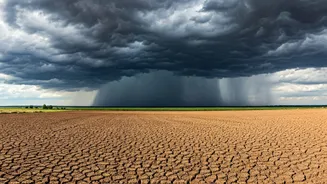
bumper harvests for crucial kharif (summer) crops like rice, soybeans, and pulses, which helps keep food inflation in check. It replenishes reservoirs and groundwater, securing water for the winter crops as well. However, this lifeline has a disruptive side. Too much rain in a short period, or rain that is significantly delayed or deficient, can wreak havoc. The 2026 monsoon, for instance, began under the shadow of a developing El Niño, with forecasts predicting below-normal rainfall, raising concerns about agricultural output and economic stability.
Why Your Grocery Bill Suddenly Spikes
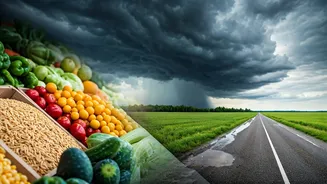
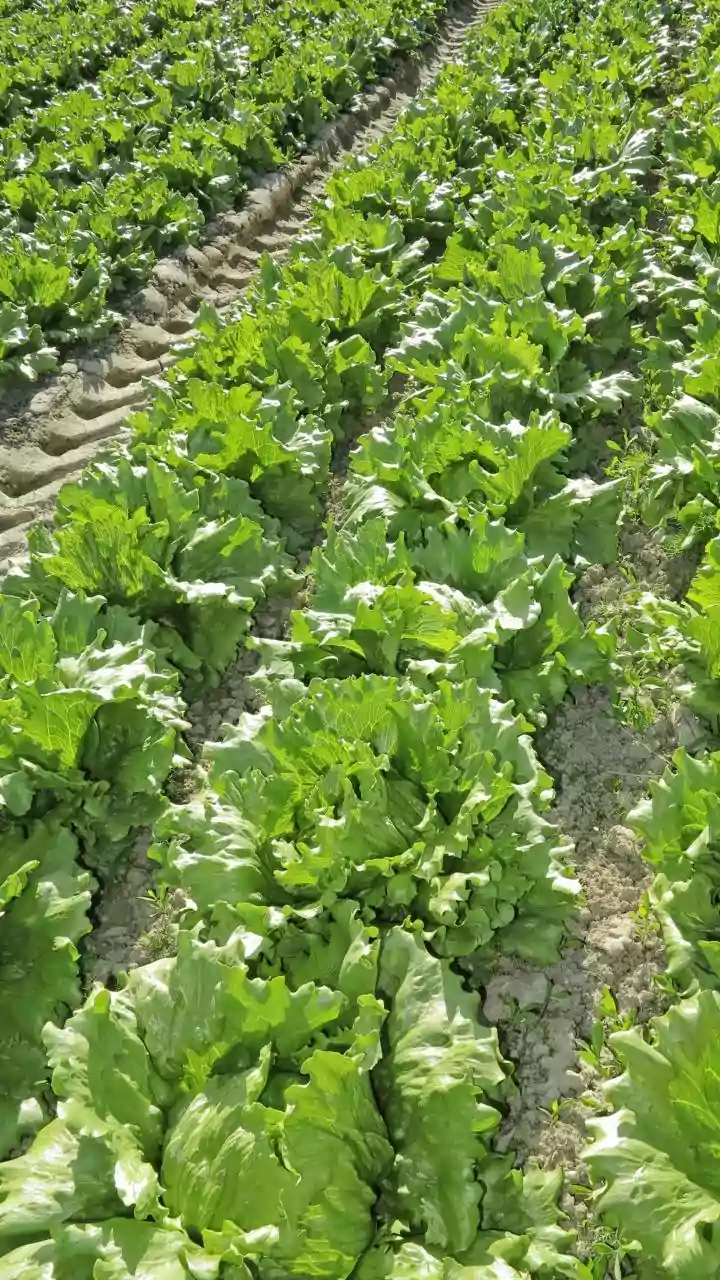
The most immediate and visible impact of erratic rainfall is on the price of perishable goods, especially vegetables like tomatoes and onions. The connection seems simple: heavy rains can flood fields and damage standing crops, reducing the available supply. However, the larger issue is often a breakdown in the supply chain. Rural roads, which are vital for getting produce from farms to wholesale markets, can become waterlogged or damaged. Key highways might get flooded, halting truck movements for days. This creates logistical bottlenecks, where produce rots in one part of the country while consumers face acute shortages and high prices in another. Even the fear of a weak monsoon can trigger hoarding by middlemen, further driving up prices for consumers long before any real shortage occurs.
The Ripple Effect on Logistics
The impact of rainfall extends far beyond the farm gate, affecting the entire national logistics network. Heavy rainfall doesn't just disrupt the movement of food; it slows down the transport of all goods. This can lead to delays and increased costs for everything from industrial components to e-commerce deliveries. The unpredictability of the 2026 monsoon, with a weak start and forecasts of it strengthening in the latter half, has put supply chain managers on high alert. A weak monsoon can strain India's already challenged cold-chain infrastructure, leading to higher spoilage rates for perishable goods and further pushing up market prices. This forces businesses to rethink inventory strategies and can have a cascading effect on the broader economy.
Navigating Travel in a Downpour
Rainfall's second major impact is on travel. During the monsoon, planning any journey requires an extra layer of caution. Airlines frequently issue advisories about potential delays and cancellations due to heavy rain, low visibility, or gusty winds, as was seen for flights to Mumbai and Dharamshala in late June 2026. Airports in major cities like Delhi can face significant disruptions, with flights often diverted to nearby cities during sudden storms, causing a ripple effect across the national aviation network. Train services are also affected, with tracks getting submerged or damaged, leading to delays and cancellations. Road travel becomes hazardous, particularly in hilly regions where the risk of landslides increases, and on highways where waterlogging can bring traffic to a standstill. Despite these challenges, monsoon tourism is a growing trend, with travellers seeking out the lush, green landscapes of destinations like Coorg, Munnar and parts of Goa.
Adapting to an Unpredictable Climate
While the monsoon's rhythm is a constant, its behaviour is becoming more erratic. The link between rainfall, food prices, and travel is a complex interplay of agriculture, infrastructure, and economics. For individuals, this means planning ahead is crucial. This could involve stocking up on non-perishables before prices spike or building buffer days into travel itineraries. For authorities, the challenge is to build more resilient infrastructure—from better-draining highways to more robust rural road networks and improved agricultural supply chains. Policies like maintaining buffer stocks of essential grains can help cushion the population from the worst price shocks. As weather patterns continue to evolve, the ability to adapt will be key to navigating the annual economic and logistical challenges posed by the rains.