



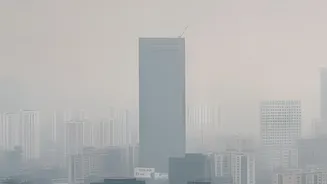
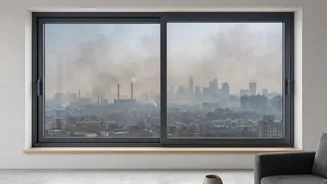
When a thick blanket of smog settles over the city, we close our doors and assume we are safe. But the threat of air pollution doesn't stop at your doorstep. Here’s how the most dangerous particles get inside and what you can do about it.
The Invisible Intruder: Understanding PM2.5
The main culprit
during a smog event is something called PM2.5. These are tiny pollutant particles less than 2.5 micrometers in diameter—so small they are invisible to the naked eye and can only be seen with an electron microscope. Originating from vehicle exhaust, industrial emissions, and crop burning, these particles are dangerous because their minuscule size allows them to bypass the body's natural defences, travel deep into the lungs, and even enter the bloodstream. This can lead to significant respiratory and cardiovascular health problems. Since these particles are light enough to remain suspended in the air for long periods, they easily find their way from the outdoors into our homes.
Finding the Gaps: How Pollution Enters Your Home
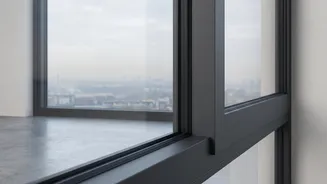
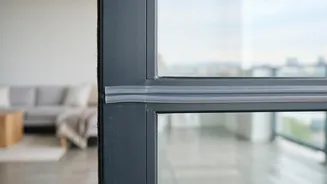
Even with doors and windows shut, a typical home is not an airtight fortress. Polluted air is sneaky and exploits any available entry point. The most common pathways for PM2.5 to infiltrate your living space are through small, often unnoticed, gaps and cracks in the building's structure. These include leaks around window frames and door jambs, worn-out seals, keyholes, and openings for electrical wiring or plumbing. Ventilation systems, including exhaust fans in kitchens and bathrooms, can also draw in outdoor air if not properly managed. In essence, any opening that allows a draft is a potential highway for smog.
Your First Defence: Sealing Your Sanctuary
The first and most crucial step in creating a clean air zone is to block these entry points. This process, known as sealing, can dramatically reduce the amount of outdoor pollution that gets in. Start by inspecting your windows and doors for any visible gaps. Applying weatherstripping tape around window sashes and using rubber or foam seals at the bottom of doors are inexpensive yet highly effective solutions. For a more robust fix, you can use caulk to fill cracks in window frames and walls. Even placing a rolled-up towel at the base of a leaky door can make a noticeable difference in preventing polluted air from seeping inside.
The Power of Purification: Using Air Purifiers
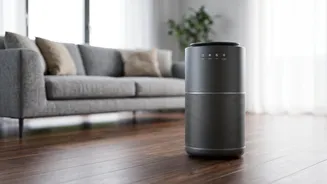
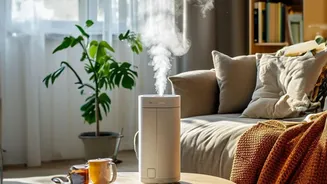
While sealing reduces the inflow of new pollutants, an air purifier is essential for cleaning the air that is already inside. Look for a model equipped with a High-Efficiency Particulate Air (HEPA) filter. True HEPA filters are certified to capture at least 99.97% of particles that are 0.3 microns in size, making them extremely effective at trapping PM2.5 particles. Studies show that using a HEPA purifier can significantly reduce indoor PM2.5 concentrations, with some research indicating reductions of 45% or more. When choosing a purifier, consider the Clean Air Delivery Rate (CADR), which tells you how quickly the unit can clean a room of a specific size. Match the CADR to your room's dimensions for optimal performance.
Smart Habits for Cleaner Indoor Air
Beyond sealing and purifying, certain daily habits can help maintain better air quality. First, avoid activities that generate indoor pollution. This includes burning incense or candles, frying foods, and smoking indoors, all of which release particles and compounds that degrade air quality. Regularly clean surfaces with a damp cloth and vacuum with a HEPA filter equipped machine to remove settled dust and particles before they become airborne again. Finally, be strategic about ventilation. Keep windows closed during peak pollution hours, which are typically the early morning and late evening. If the air quality outside improves, you can open windows for a short period—often in the early afternoon—to let fresh air in and flush out stale indoor air.