






The Supermarket Sticker Shock
We’ve all been there: reaching for a bag of spinach or a head of lettuce at the supermarket, only to be taken aback by the price. The cost of fresh vegetables in Indian cities can be volatile, influenced by everything from weather patterns to rising transportation
costs. A significant portion of what you pay for is the journey the food takes to reach you, often called 'food miles'. This journey not only inflates the price but also diminishes the nutritional value and freshness of the greens. Recent market data shows dramatic price fluctuations for common herbs like coriander, with prices varying wildly across different cities based on supply. By the time produce reaches your kitchen, it has often lost a chunk of its crispness and flavour.
Hydroponics: Your Indoor Garden Without Soil
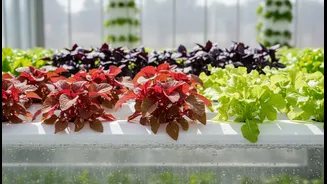
Imagine a garden on your countertop or in a small corner of your balcony, thriving without a single speck of soil. That’s the core idea behind hydroponics. Instead of soil, plants are grown in an inert medium like coco-peat or clay pebbles, and their roots are fed a nutrient-rich water solution. This method has several key advantages for city dwellers. It uses up to 80% less water than traditional farming because the water is recirculated. It also eliminates soil-borne pests and diseases, meaning you can grow clean produce without chemical pesticides. Best of all, because you control the environment, you can grow your favourite greens year-round.
The Cost: Investment Today, Savings Tomorrow
The main hurdle for many is the initial setup cost. A basic, ready-made hydroponic kit for beginners in India can range from ₹2,000 to ₹15,000, depending on the size and level of automation. While this seems like a significant outlay compared to a ₹100 bag of lettuce, the long-term savings are substantial. Consider the recurring cost of buying herbs like basil, mint, and coriander, which are used frequently in Indian kitchens and grow quickly in hydroponic systems. A 72-year-old hobbyist reported harvesting over 40 kgs of tomatoes and 200 cucumbers from his small terrace setup, which cost him about ₹10,000. Once the initial investment is made, the recurring expenses are minimal—mainly nutrients and electricity for the pump and lights, if needed. The system quickly pays for itself in fresh, readily available produce.
Perfect for the Rented Apartment
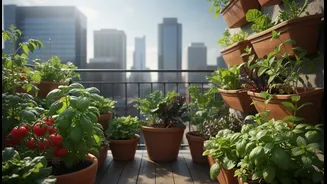
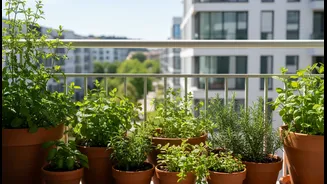
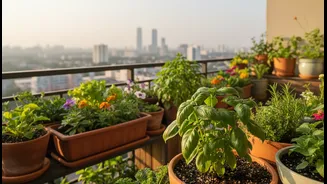
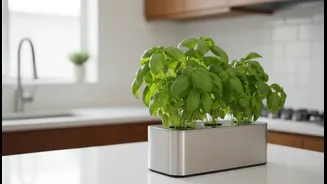
Renters often face restrictions when it comes to gardening, from lack of space to rules about making permanent changes. Hydroponics neatly sidesteps these issues. Compact, vertical systems can grow dozens of plants in just a square metre of floor space, making them perfect for small balconies. Countertop systems require no more space than a small kitchen appliance. Since there's no soil, there's no mess to worry about, and the setups are self-contained and portable. You can set up a small system on a windowsill or shelf without any structural modifications, and if you move, you can simply pack it up and take it with you.
Easy Greens to Grow First
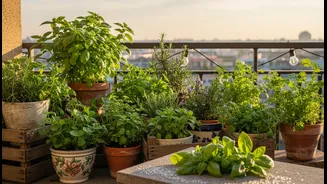
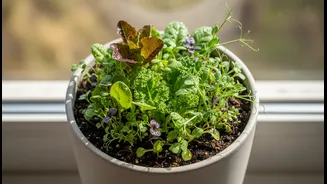
The key to success for beginners is to start with easy, fast-growing plants. Leafy greens and herbs are the best choice. Plants like lettuce, spinach, basil, mint, and coriander (dhania) are forgiving and typically ready to harvest in just 30 to 45 days. These are also high-value crops that can be expensive to buy fresh from the store, especially out of season. Starting with these ensures you see a quick return on your efforts, providing both fresh ingredients for your meals and the confidence to try growing other vegetables like tomatoes or chillies in the future.