



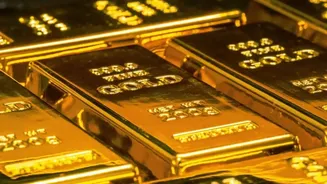


A Golden Haul of Epic Proportions
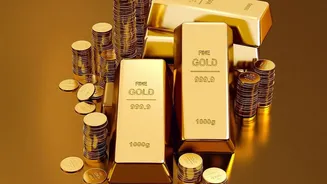
The scale of this year's festive gold acquisition is immense. According to the India Bullion and Jewellers Association (IBJA), consumers bought 52 tonnes of gold, a remarkable 30% increase in volume compared to the same period last year. This haul, worth
approximately ₹72,000 crore, underscores a powerful resurgence in consumer sentiment and spending power. The buying frenzy wasn't limited to gold; silver demand also saw a 10% jump, with 300 tonnes worth ₹5,400 crore flying off the shelves. This robust activity points towards a strong revival in demand, especially ahead of the wedding season which traditionally follows the festival of lights.
The Dhanteras Effect and Cultural Significance
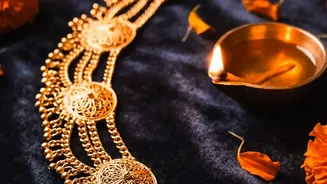
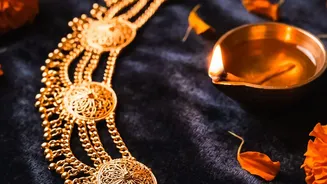
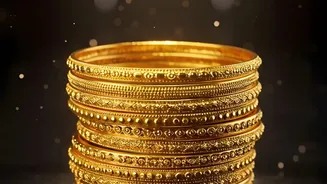
The festive period, particularly Dhanteras, is considered the most auspicious time of the year for Indians to buy precious metals. This tradition is deeply embedded in the cultural fabric, with millions believing that purchasing gold and silver invites prosperity and good fortune into their homes. This belief acts as a powerful annual catalyst for the jewellery market, accounting for a significant portion of the nation's yearly gold consumption. Jewellers across the country anticipate this surge, stocking up on everything from intricate jewellery to coins and bars to meet the seasonal demand. The timing of the festivals this year, falling early in November after salaries and festive bonuses were disbursed, further fuelled the purchasing power of many households.
A Timely Price Correction
A key driver behind this year's record-breaking sales was a significant correction in gold prices. After hitting a peak of around ₹1.8 lakh per 10 grams earlier in the year, prices eased to about ₹1.42 lakh during the festive window. This drop of nearly 21% acted as a major incentive, drawing in buyers who had been waiting on the sidelines for a more favourable entry point. Bullion dealers noted that while prices were still higher than the previous year, the substantial fall from the recent peak was the primary trigger for the enthusiastic buying. This suggests that Indian consumers remain highly sensitive to price movements, and a perceived bargain can quickly unleash pent-up demand.
Shifting Habits of the Modern Buyer
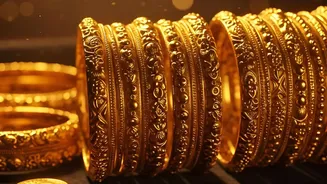
While the love for gold remains constant, buying patterns are evolving. Faced with historically high, albeit corrected, prices, consumers demonstrated a more strategic approach. Many opted for lightweight jewellery, choosing smaller, design-focused pieces in 14-carat and 18-carat gold over heavier traditional items. This allowed them to partake in the auspicious tradition without overstretching their budgets. There was also strong demand for coins and bars, particularly in the 1 to 5-gram range, which are seen as token purchases and accessible investments. This trend indicates a practical adaptation to market conditions, where the cultural act of buying gold persists, even if the form it takes changes.
What This Means for the Indian Economy
This festive splurge is a bright indicator for the broader Indian economy. The Confederation of All India Traders (CAIT) estimated that overall business during Dhanteras alone would cross ₹1 lakh crore, with precious metals being a major contributor. Such robust consumer spending signals renewed confidence and healthy cash flow in the market. It provides a significant boost to the gems and jewellery sector, from large retailers to small artisans, and has a positive ripple effect on ancillary industries like transport and logistics. The strong demand ahead of the wedding season suggests this momentum could continue, painting an optimistic picture for economic activity in the coming months.