





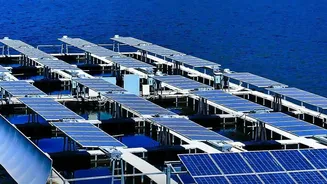
A Farm and a Power Plant
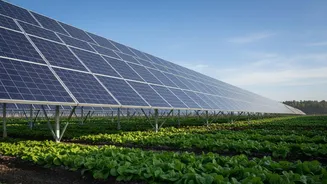
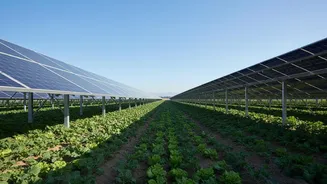
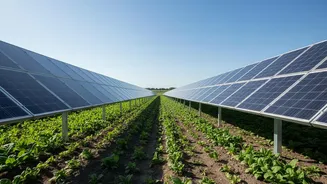
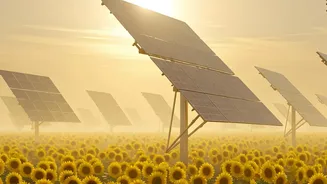
At its core, agrivoltaics is the practice of using the same piece of land for both agriculture and solar power generation. Imagine a field of crops growing under rows of solar panels mounted on elevated structures. This dual-use model allows sunlight
to be shared: some for the plants below, and some for the panels above to generate electricity. The concept isn't entirely new, but it is gaining significant momentum in India as the country grapples with ambitious renewable energy targets and the increasing scarcity of land. It represents a fundamental shift from viewing land as a resource for a single purpose to seeing it as a multi-layered asset.
The Land Use Squeeze
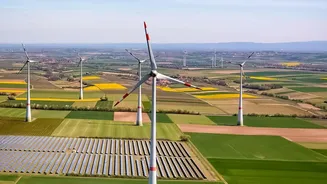
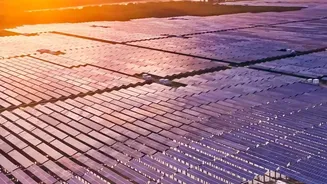
India's push for 500 GW of renewable energy by 2030 is heavily reliant on solar power. However, traditional, utility-scale solar parks require vast tracts of land. This has led to growing conflicts, as much of this development has occurred on agricultural or ecologically valuable land, raising concerns about food security and displacing rural communities. One study noted that a significant percentage of existing solar projects were built on land that could have been used for farming. This is the “fresh scrutiny” that standalone solar farms now face. Agrivoltaics offers a potential way out of this conflict by integrating energy production into existing agricultural landscapes instead of replacing them.
More Than Just Kilowatts
The benefits of agrivoltaics extend beyond efficient land use. For farmers, it offers a diversified and stable income stream. They can continue to earn from their crops while also making money by selling surplus electricity to the grid, often supported by government initiatives like the PM-KUSUM scheme. Environmentally, the partial shade from the solar panels can be a blessing. It reduces water evaporation from the soil, meaning less irrigation is needed, and protects certain crops from extreme heat and weather events like hailstorms. In some trials, this symbiotic relationship has even led to increased yields for shade-tolerant crops and made the solar panels themselves more efficient by keeping them cooler.
Hurdles on the Ground
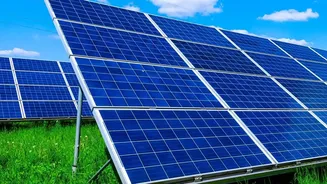
Despite its promise, rolling out agrivoltaics on a national scale is not without challenges. The primary barrier is the high upfront cost. Specially designed elevated structures and advanced panels, like bifacial ones that capture light from both sides, are more expensive than conventional ground-mounted systems. This makes it difficult for small and marginal farmers to adopt without significant financial support. Furthermore, not all crops are suitable for growing in partial shade, requiring careful selection and region-specific research to identify the right combinations of plants and panel layouts. There's also the operational complexity of managing a farm and a power plant simultaneously, which requires new skills and knowledge.
A Policy-Powered Future
The Indian government is actively promoting agrivoltaics through schemes like PM-KUSUM, which provides subsidies to farmers for installing solar technology. States like Odisha have also recently entered partnerships to promote farmer-centric renewable energy initiatives, including agrivoltaics. Alliances and research bodies are working to standardise designs and identify best practices for India's diverse agro-climatic zones. The success of this drive hinges on creating a supportive ecosystem that includes clear policies, financial incentives, and robust technical guidance for farmers. If these pieces fall into place, it will signal a major evolution in how India approaches its food and energy security.