






What Exactly Is Sattu?
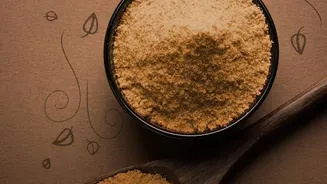
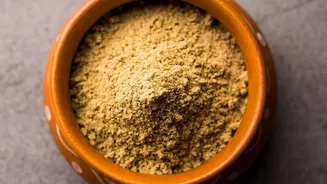
Often called the 'poor man's protein', sattu is a flour made from roasted Bengal gram (chana). For centuries, it has been a staple food in states like Bihar, Jharkhand, and Uttar Pradesh, prized for its long shelf life, affordability, and impressive nutritional
profile. The dry-roasting process enhances its digestibility and gives it a unique, nutty flavour. Traditionally consumed as a cooling drink (sharbat) or in dishes like litti and parathas, sattu is now being rediscovered as a versatile health food.
A Nutritional Powerhouse
The reason for sattu's resurgence lies in its dense nutritional content. It is an excellent source of plant-based protein, crucial for muscle repair and growth. A 100-gram serving can contain around 20-26 grams of protein. Beyond protein, sattu is rich in dietary fibre, which aids digestion, promotes a feeling of fullness, and helps maintain a healthy gut. It's also packed with essential minerals like iron, magnesium, and calcium, which boost energy levels, support bone health, and regulate metabolic processes. Furthermore, sattu has a low glycaemic index, meaning it releases energy slowly and steadily, preventing the sudden sugar spikes and crashes associated with many breakfast foods.
Why a Smoothie Bowl?
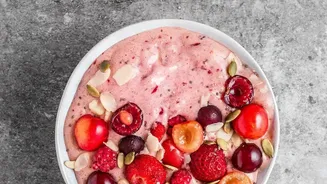
While sattu sharbat is a classic, the smoothie bowl format offers a thicker, more satisfying meal. It transforms a simple drink into a complete breakfast, allowing for the addition of fruits, nuts, and seeds that add texture, flavour, and even more nutrients. For fitness enthusiasts, this is particularly beneficial. A post-workout sattu smoothie bowl can help replenish energy stores and provides the necessary protein to aid muscle recovery. The format is also incredibly quick to prepare on busy mornings, delivering a nutrient-dense meal in minutes without the need for extensive cooking.
Your Foundational Sattu Smoothie Bowl
Creating a sattu smoothie bowl is simple. The goal is to achieve a thick, spoonable consistency rather than a drinkable one. Here is a basic recipe to get you started: Ingredients: - 4 tablespoons of sattu flour - 1 ripe banana, frozen for extra creaminess - 150ml of milk (dairy or a plant-based alternative like almond or soy milk) - 1 tablespoon of curd or yoghurt for thickness and tang - 1 teaspoon of honey or a few dates for natural sweetness Instructions: Combine the sattu, banana, milk, yoghurt, and sweetener in a blender. Blend until completely smooth and thick. If it's too thin, add a little more sattu or a few ice cubes. If it's too thick, add a splash of milk. Pour the mixture into a bowl.
Creative Toppings and Variations
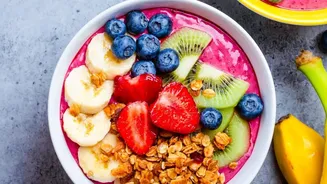
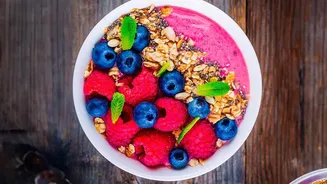
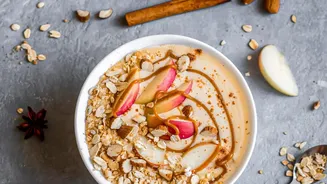
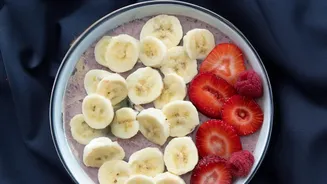
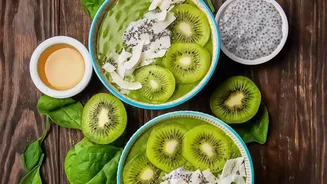
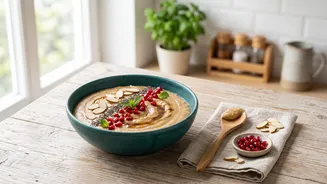
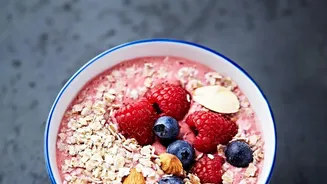
The real fun of a smoothie bowl is in the toppings. They add crunch, flavour, and an extra nutritional punch. Consider adding: - Fresh Fruits: Sliced mangoes, berries, pomegranate seeds, or more banana. - Nuts and Seeds: Almonds, walnuts, and a sprinkle of chia, flax, or pumpkin seeds for healthy fats and fibre. - Flavour Boosters: A dash of cinnamon, a spoonful of peanut butter, or some raw cacao powder can completely change the flavour profile. For a different taste, you can also blend in other ingredients. A spoonful of rolled oats can add more fibre, while a scoop of protein powder can further increase the protein content for those with higher requirements.
Seamlessly Fitting It Into Your Morning
Most traditional Indian breakfasts like poha or upma are often high in carbohydrates but low in protein. A sattu smoothie bowl provides a balanced alternative that keeps you feeling full and energised for longer. To make it a seamless part of your morning routine, you can portion out the dry ingredients (sattu, seeds, powders) into jars the night before. In the morning, you just need to add the wet ingredients and blend. This simple prep makes it a quick and powerful upgrade to your daily breakfast, perfectly fuelling you for the day ahead.