

Winning the War on Dirt
The most significant amount of grime in a house walks in on the soles of shoes. Your first line of defense is a robust doormat strategy. Experts recommend a two-mat system for maximum effectiveness. Place a coarse, heavy-duty mat outside to scrape off
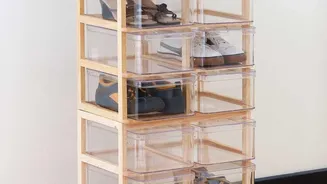
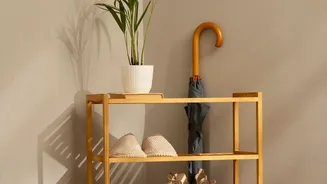
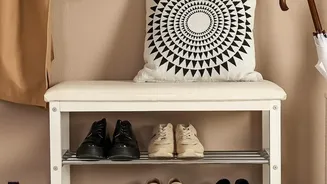
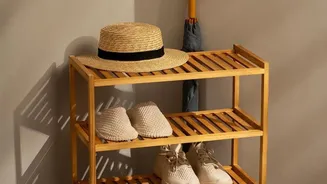
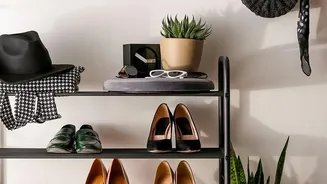
mud and large debris. Inside, a highly absorbent mat made of microfiber or cotton can trap the finer dust and moisture that remains. For this system to work, the mats must be kept clean. Shake out the outdoor mat several times a week and wash the indoor one regularly. For an even cleaner space, implementing a strict "no shoes indoors" policy is a game-changer. Designate a specific spot for shoes, whether it's a simple rack, a set of cubbies, or a stylish basket. This simple habit contains the biggest source of tracked-in dirt at the source. For quick clean-ups, keeping a lightweight cordless vacuum or a small broom and dustpan in a nearby closet makes it easy to tackle any dirt that gets past your defenses before it spreads.
Tackling Humidity at the Threshold
Humidity often enters the home through poorly sealed doors and windows, creating a host of problems including musty smells and condensation. The entryway is particularly vulnerable. Start by checking the weatherstripping around your door frame for any gaps or damage and replace it if necessary. This simple fix helps create a tighter seal against outside air. In particularly humid climates, a dehumidifier placed near the entrance can make a significant difference. Even small actions help, like ensuring family members close the door promptly. When moist air from outside meets cooler indoor surfaces, condensation can form, which is a natural physical process. Ensuring good air circulation by opening doors between rooms can also help balance humidity levels throughout the home.
Creating a Clutter Command Centre
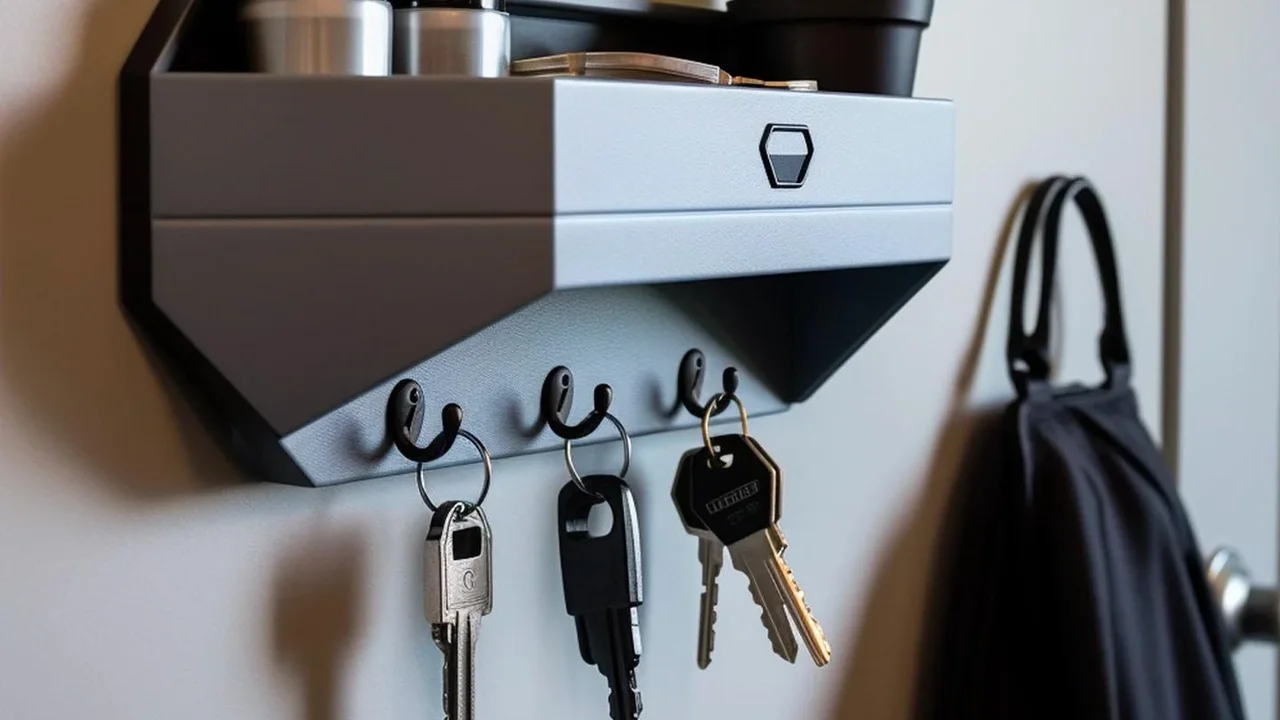
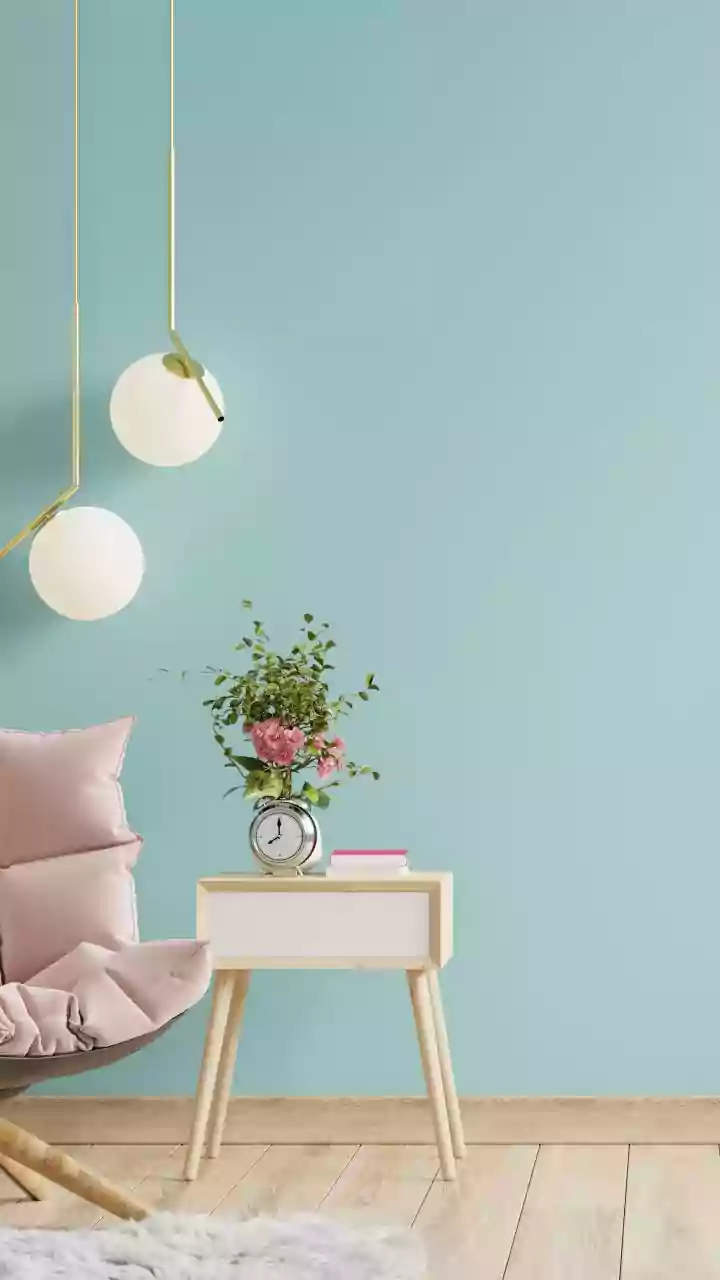
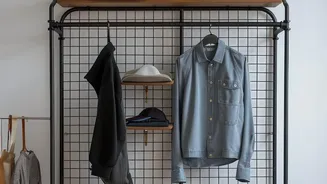
An entryway can quickly become a dumping ground for keys, mail, bags, and coats, making the whole house feel chaotic. The solution is to create a functional system where everything has a designated home. A slim console table with drawers can hide items, while hooks or a pegboard on the wall provide a place for coats and bags without taking up floor space. For small, loose items like keys and wallets, a 'catch-all' tray or bowl is an essential tool. Placing one on an entry table creates a single, organized spot for the pocket-emptying that happens upon arrival. Consider using baskets to organize shoes, hats, and scarves. By giving every item a specific landing zone, you streamline routines and prevent clutter from spreading deeper into the house.
Building Better Entryway Habits
Ultimately, the most effective systems rely on consistent habits. Even the best organizational tools are useless if they aren't used. The key is to make putting things away as easy as possible. For instance, hooks are often easier for family members to use than hangers in a closet. You can also make it a family habit to do a two-minute entryway reset each evening. This involves putting away shoes, hanging up coats, and sorting any mail that has accumulated. If you have pets, keeping a towel or pet-safe wipes near the door for a quick paw clean-up can save you from mopping later. These small, consistent actions prevent the entryway from becoming overwhelmed and ensure it remains a welcoming and functional space.