








The Dawn of Functional Fitness
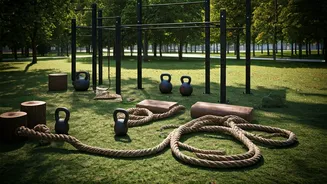
The trend that's rapidly gaining ground is functional fitness. Unlike traditional bodybuilding, which isolates specific muscles, functional fitness trains muscles to work together, mimicking everyday movements. Think about lifting a heavy suitcase, carrying
groceries, or playing with your children—these are the real-world activities this training prepares you for. Workouts are built around foundational human movements like squatting, lifting, pushing, and pulling. In practice, this often looks like High-Intensity Interval Training (HIIT), CrossFit-style classes, and dynamic group sessions that combine weightlifting, bodyweight exercises, and cardio. The goal is less about pure aesthetics and more about building practical, durable strength for a modern, often sedentary, life.
Why Now, Why India?
The rise of functional fitness in India is no accident. It's a response to significant social and economic shifts. As India's urban middle class has expanded, more people are working long hours in desk-bound jobs, leading to a new demand for effective, time-efficient workouts that combat a sedentary lifestyle. Furthermore, social media platforms have exposed millions of young Indians to global fitness movements, making the athletic aesthetic of functional training highly aspirational. This represents a clear shift away from both the spiritual quietude of yoga and the male-dominated bodybuilding gyms of the past. As a result, boutique studios offering specialised classes like HIIT, functional training, and Pilates are now the fastest-growing segment of India's fitness market, which is projected to more than double by 2030.
More Than Just a Workout
The appeal of functional fitness goes far beyond burning calories. It offers a solution to lifestyle-related issues that are on the rise in urban India, such as back pain, poor posture, and metabolic disorders. By strengthening the entire kinetic chain, these exercises improve core stability, coordination, and joint health, reducing the risk of injury from daily activities. People are no longer just chasing a 'gym body'; they want the energy to get through the day and the strength to live a fuller life. This form of training is also seen as highly efficient, a key factor for time-poor professionals in cities like Mumbai, Bengaluru, and Delhi. The focus is on long-term health and sustainable fitness, a mindset that is increasingly resonating with a health-conscious populace.
Community, Not Just Crunches
A crucial ingredient in the success of functional fitness is the powerful sense of community it fosters. Walk into a functional fitness 'box' or studio, and you'll find a stark contrast to the isolated, headphone-wearing environment of a typical commercial gym. Here, groups of people from different backgrounds sweat, struggle, and cheer each other on through the same challenging workout. This shared challenge creates a tribe-like loyalty and a built-in social circle, offering an antidote to the anonymity of big-city life. This communal aspect is a primary driver keeping participants engaged, turning fitness from a chore into a social activity and a 'third space' between home and work.
The Road Ahead
While global brands like CrossFit have been influential, the trend has been supercharged by local innovation. Indian startups have scaled the boutique fitness model, creating tech-enabled ecosystems of gyms accessible through a single app, making high-quality, structured fitness more accessible than ever. The future will likely see a deeper integration of this hybrid model, blending online and offline services to cater to India's diverse and vast population. While fitness membership penetration in India remains low compared to global standards, it also signals a massive untapped potential for growth. The focus is shifting from aesthetics to longevity and from isolated exercise to integrated daily movement, suggesting that functional fitness is not just a passing trend but a foundational shift in India's wellness journey.