





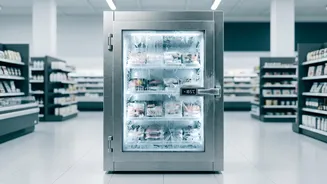
A mundane supermarket freezer aisle has become the frontline in a new era of cyber warfare. In early November 2026, a wave of coordinated attacks disrupted cooling systems in stores across Europe, revealing a chilling vulnerability in our food supply
chain.
A Coordinated Thaw
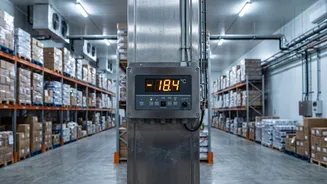
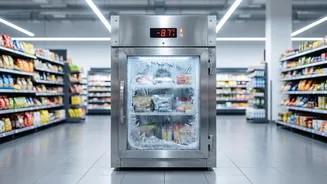
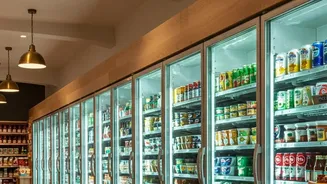
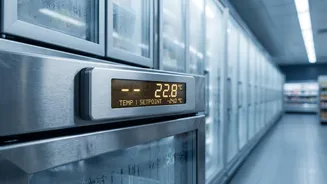
On November 2, 2026, staff at supermarkets across at least seven European nations arrived to find a costly mess. Freezers and refrigerators in stores in Belgium, Sweden, Finland, Ireland, Luxembourg, Estonia, and the Netherlands had been remotely manipulated overnight. In some locations, temperatures were reportedly raised to as high as 50°C, causing defrost cycles to run for hours, spoiling thousands of euros worth of meat, frozen goods, and chilled products. The disruption affected major chains including Carrefour, Coop, and SuperValu, forcing managers to discard ruined stock and, in some cases, use refrigerated trucks to salvage what they could. This was the second major incident of its kind in weeks, following a similar, large-scale attack on hundreds of French supermarkets in October.
The Weapon: Internet of Things
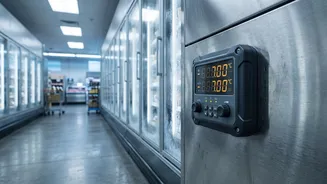
The attackers didn't breach complex corporate IT networks. Instead, they targeted the 'operational technology' (OT) that controls the physical machinery of the stores. Specifically, they exploited vulnerabilities in the internet-connected controllers that manage refrigeration units. These systems, part of the growing 'Internet of Things' (IoT), allow for remote monitoring and maintenance but can become a significant security risk if not properly protected. Cybersecurity experts point to several basic failures that likely enabled the attacks: outdated software on older controller models, systems exposed directly to the internet without adequate firewalls, and the use of weak or default passwords. Attackers could then run automated scripts to find these vulnerable systems and issue commands to raise temperatures or trigger defrost modes.
Disruption as the Motive
Curiously, no ransomware demands have been reported in connection with the freezer attacks. This suggests the primary motive was not financial extortion but disruption itself. The EU's food and agriculture commissioner described the events as a 'deliberate attempt to disrupt our food supply chain and undermine consumers' confidence in it'. Experts speculate the culprits could range from state-sponsored actors testing their ability to cripple civilian infrastructure to lone hackers causing chaos for personal reasons. Pro-Russian hacking groups have previously claimed responsibility for similar attacks on industrial systems, though no one has officially been linked to these latest incidents. The focus on creating physical damage and economic loss, rather than stealing data, marks a significant shift in the landscape of cyber threats.
A Global Wake-Up Call
While these attacks were centred in Europe, they serve as a stark warning for businesses and governments worldwide, including in India. The incident highlights the vulnerability of the 'cold chain' — the network of refrigerated production, storage, and distribution facilities essential for food and pharmaceuticals. As more industrial and commercial equipment becomes internet-connected, the potential 'attack surface' for malicious actors expands dramatically. Security experts emphasize that the responsibility for securing this equipment is shared between manufacturers, who must provide timely security updates, and the businesses that use them, who must ensure proper configuration and network protection. The events demonstrate that cybersecurity is no longer just about protecting data; it's about protecting the physical world we rely on every day.