

What Exactly Is Palm Jaggery?
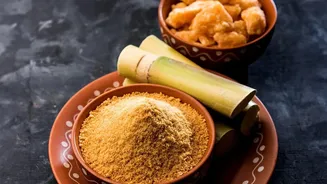
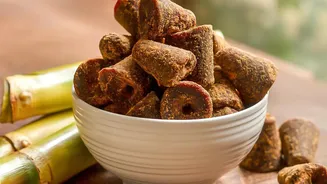
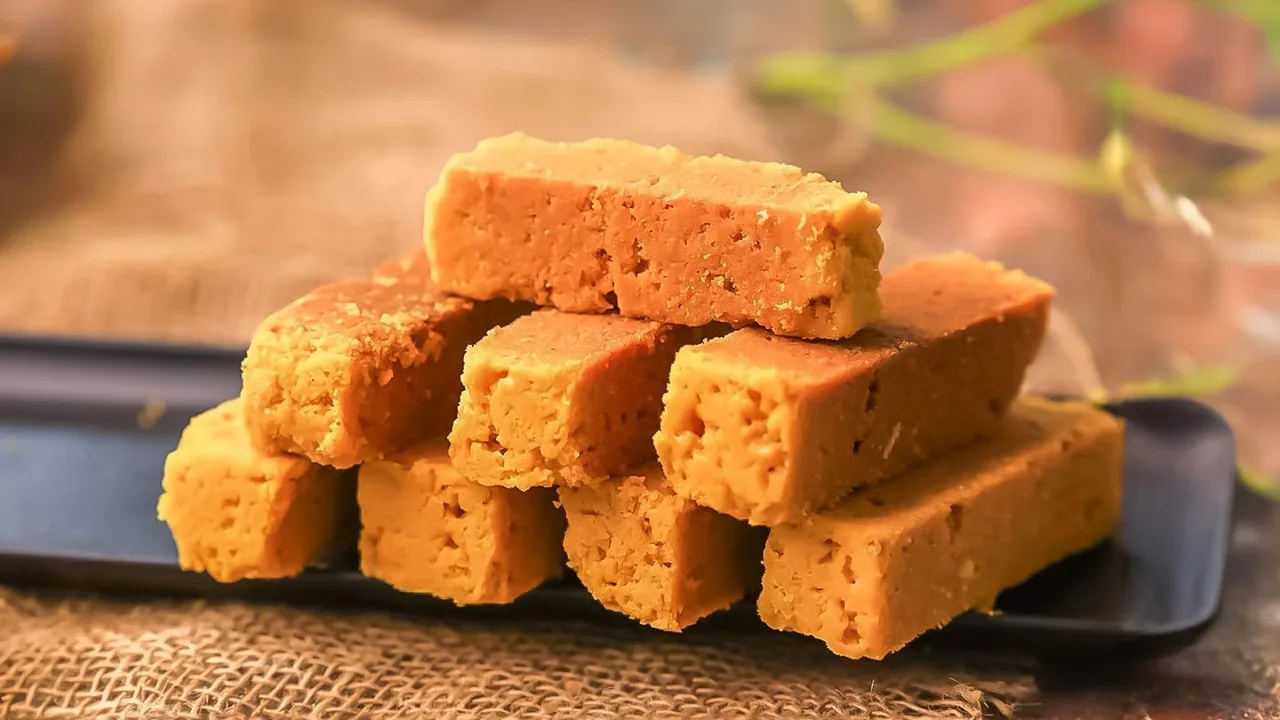
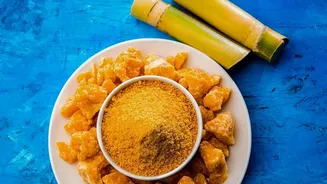
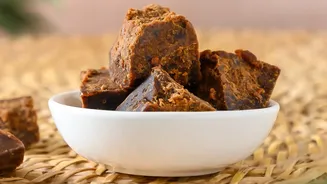
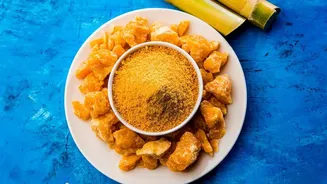
Known as 'Karupatti' in Tamil Nadu and 'Nolen Gur' in Bengal, palm jaggery is an unrefined natural sweetener made from the sap of palm trees, most commonly the palmyra or date palm. Unlike sugarcane jaggery, its flavour is deeper and more complex, often
described as having smoky, earthy, and chocolate-like caramel notes. The process of making it is entirely natural; the collected sap is boiled in large vessels for hours until it thickens and solidifies, without the use of any chemicals or additives. This minimal processing helps it retain a wealth of minerals that are often stripped away from refined white sugar.
The 'Healthy' Halo Effect
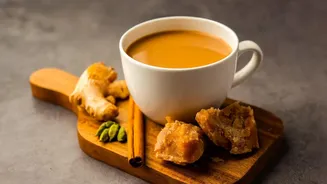
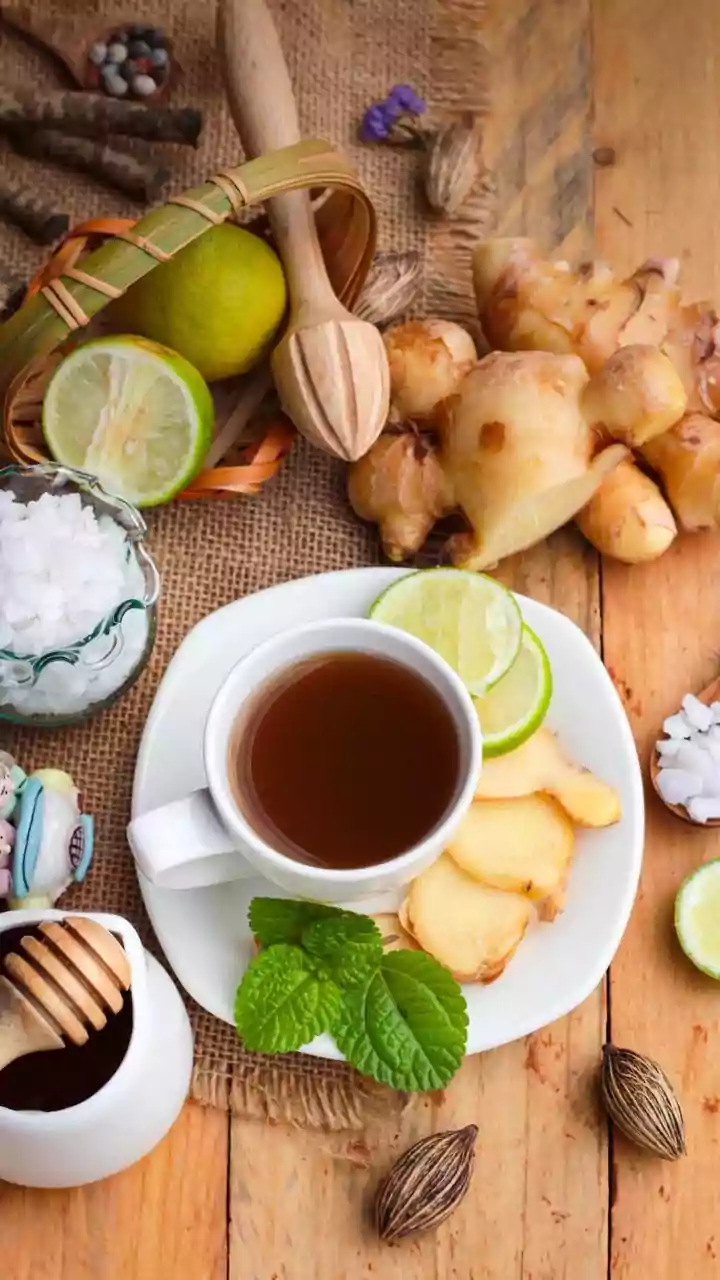
Palm jaggery’s rising popularity is largely tied to its health credentials. Proponents champion it for being rich in essential minerals like iron, potassium, calcium, and magnesium. One of its most significant advantages is its lower glycemic index (GI), which is reported to be around 35-41, compared to refined sugar's GI of 60-70. This means it's believed to cause a slower, more gradual rise in blood sugar levels, avoiding the sharp spikes and crashes associated with white sugar. Traditionally, it has also been used in Ayurvedic practices to aid digestion, detoxify the liver, and as a remedy for coughs and colds.
The Home Baker Movement
The recent boom in home baking across India has created the perfect environment for this trend to flourish. Freed from the constraints of commercial production, home bakers are more agile and experimental. They are leading the charge in responding to a growing consumer demand for treats that are both delicious and mindful of health. For these culinary entrepreneurs, palm jaggery is more than just a sweetener; it’s an ingredient that adds character. Its rich flavour profile and natural, rustic appeal align perfectly with the modern ethos of clean eating and celebrating indigenous ingredients. Many online and local bakers now specifically market their 'Karupatti Cakes' or 'Nolen Gur Sandesh', finding a receptive audience tired of overly processed, sugary confections.
Reinventing Tradition, Inspiring Innovation
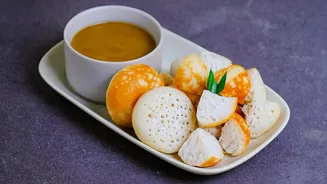
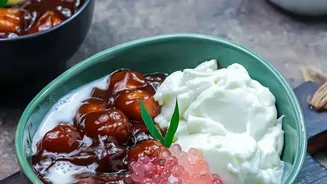
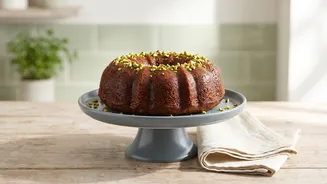
The use of palm jaggery is breathing new life into both traditional and contemporary desserts. In South India, classic sweets like Pongal, Halwa, and Payasam are being reimagined with Karupatti for a healthier, more flavourful profile. In Bengal, Nolen Gur remains the star of winter delicacies like Rosogolla and Sandesh. But the innovation doesn't stop there. Home bakers are now incorporating this versatile sweetener into modern baking with impressive results. Think moist wheat-flour palm jaggery cakes, rich brownies, chewy cookies, and even gourmet ice creams. Its natural ability to retain moisture results in baked goods that are softer and have a wonderful texture.
A Conscious Choice for Sweeter Times
The shift towards palm jaggery is about more than just flavour and health; it's a conscious choice. Consumers are increasingly drawn to products with a story, and artisanal palm jaggery supports local communities and traditional production methods. It represents a return to roots and an appreciation for ingredients that are pure and unadulterated. As home bakers continue to showcase its versatility, from traditional Karupatti Mittai to modern banana smoothies, they are not just making desserts. They are redefining what it means to have a sweet treat in India today—one that is wholesome, flavourful, and deeply connected to its heritage.