






The Heart of the Proposal
Goa's Forest Department has sent a significant proposal to the Department of Environment and Climate Change. It recommends that 24 beaches across the state, including 14 in the south, be officially recognised as turtle nesting sites under the Coastal
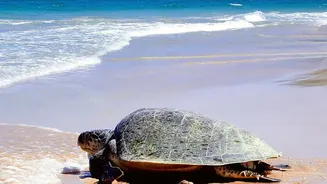
Regulation Zone (CRZ) Notification of 2019. The goal is to provide stronger legal protection for the endangered Olive Ridley turtles that visit these shores to lay their eggs. This designation would classify the nesting grounds as CRZ-I, the most ecologically sensitive category, which imposes strict regulations on coastal activities. The move comes amid growing concerns about a recent decline in turtle nesting numbers, making conservation efforts more urgent than ever.
Why Olive Ridley Turtles Need Protection
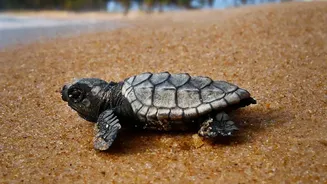
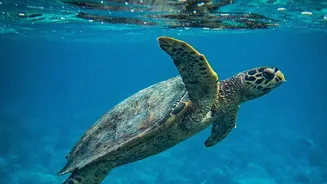
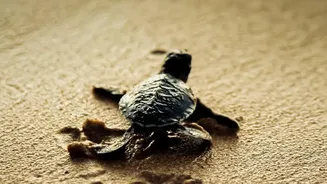
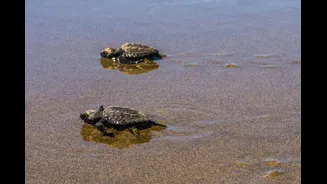
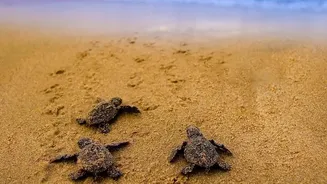
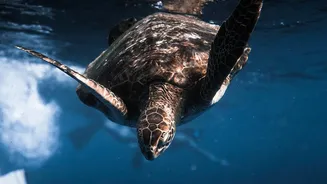
Olive Ridley turtles are the smallest and most abundant of all sea turtles found in the world, yet they face serious threats from human activity. They are best known for their unique mass nesting events, called 'arribadas', where thousands of females come ashore to lay eggs. However, coastal development, artificial lighting from beach shacks and hotels, and noise pollution can disorient nesting females and their hatchlings. Baby turtles, which hatch at night, naturally move towards the brightest horizon, which should be the moonlit sea. Artificial lights can cause them to move inland, where they often perish. By protecting these nesting sites, the authorities hope to give these ancient mariners a fighting chance at survival, as only an estimated one in a thousand hatchlings makes it to adulthood.
The 14 Proposed Beaches in South Goa
While North Goa has its own list of 10 proposed beaches, the focus on South Goa is substantial. The 14 beaches named in the proposal are: Rajbag, Mobor, Cabo de Rama, Patnem, Baina, Palolem, Cola, Carmona, Cavelossim, Varca, Talpona, Agonda, and Galgibag. This list is notable because it includes some of the most popular tourist destinations alongside more secluded spots. Agonda and Galgibaga are already well-known and protected as turtle conservation reserves, managed by the Forest Department. The new proposal seeks to extend similar, if not stricter, protections across this wider stretch of the southern coastline.
Balancing Tourism and Conservation
The proposal has sparked a significant debate among local stakeholders. If implemented, designating these beaches as CRZ-I turtle nesting sites would likely lead to tighter controls on beach shacks, night-time events, vehicle movement, and artificial lighting, especially during the nesting season from November to March. Tourism operators and shack owners have expressed concern that these restrictions could severely impact their livelihoods, which are heavily dependent on beach-based activities. They argue for a balanced approach, suggesting that conservation should not come at the cost of the local economy. Proponents of the move, however, argue that sustainable tourism and conservation can coexist and that protecting Goa's unique natural heritage is essential for its long-term appeal.
What Happens Next?
The Forest Department's letter is just the first step in a longer administrative process. The proposal now rests with the Department of Environment and Climate Change, which will examine its feasibility and implications. According to CRZ regulations, state governments are required to formulate detailed environment management plans for such ecologically sensitive areas. This will likely involve consultations with various stakeholders, including local communities, tourism bodies, and environmental experts, before any final notification is issued. The debate highlights a crucial question for Goa's future: how to preserve the very nature that draws millions to its shores while supporting the communities that call it home.