





Mountains in the Abyss
Seamounts are essentially underwater mountains, most often extinct volcanoes, that rise at least 1,000 meters from the surrounding seafloor without breaching the surface. Scientists estimate there are over 100,000 of them scattered across the globe, formed
by volcanic activity near tectonic plates or at 'hot spots' where magma pushes through the Earth's crust. In the vast, often muddy plains of the deep sea, these mountains provide something crucial: a solid, rocky foundation. This hard surface is prime real estate for deep-sea life to anchor itself, forming the base of a complex and vibrant ecosystem.
The Life-Giving Lift
The secret to a seamount's success as a biodiversity hotspot lies in its interaction with ocean currents. As deep, slow-moving currents encounter the steep slopes of a seamount, they are forced upwards. This process, known as upwelling, carries nutrient-rich water from the cold, dark depths toward the upper layers of the ocean. This constant supply of nutrients fuels the growth of plankton, the foundational layer of the marine food web. The turbulence and swirling vortices created around these mountains also help trap these nutrients and small organisms, creating a reliable, concentrated food source in the otherwise sparse deep ocean.
An Oasis for Unique Species
The combination of a solid substrate and a steady food supply makes seamounts magnets for life. They are renowned for their dense communities of deep-sea corals and sponges, some of which can live for thousands of years. These creatures, in turn, build intricate, three-dimensional structures that provide shelter, nurseries, and hunting grounds for countless other species, including crabs, sea stars, lobsters, and fish. This abundance attracts larger predators like sharks, tuna, and even marine mammals, which use seamounts as vital stopovers for feeding and resting during long migrations. Their isolation also means many seamounts host endemic species—organisms found nowhere else on Earth. Recent expeditions have uncovered hundreds of potentially new species, from 'walking' fish to ethereal glass sponges.
Threats to the Hidden Cities
Despite their importance, these deep-sea ecosystems are under significant threat. Bottom trawling, a fishing method that involves dragging heavy nets across the seafloor, can obliterate ancient coral gardens and sponge beds, reducing vibrant habitats to rubble. Recovery from such damage can take centuries, if it happens at all. Furthermore, seamounts are often rich in valuable minerals like cobalt, making them prime targets for the emerging industry of deep-sea mining. The process of stripping these minerals could destroy habitats, create sediment plumes that smother life, and generate noise and light pollution that disrupts deep-sea species.
An Uncharted Frontier
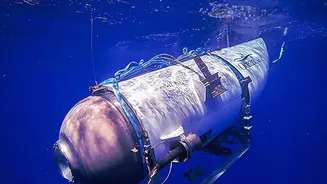
A major challenge in protecting seamounts is that we know so little about them. More than 80% of our ocean remains unexplored, and fewer than one percent of the world's seamounts have been studied in detail. Exploring the deep sea is incredibly difficult and expensive. The crushing pressure, extreme cold, and total darkness make it a more challenging environment to operate in than outer space. Until recently, the technology simply didn't exist to effectively map and observe these remote ecosystems on a large scale. As a result, we are in a race against time to understand these incredible biodiversity hotspots before they are irreversibly damaged by human activities.