



Why the Sudden Interest in Rupsi?
The massive jump in travel interest, as highlighted in Skyscanner's recent travel trends report, has put Rupsi on the map for those planning future holidays. This surge isn't just about the town itself, but its strategic location. The revival of Rupsi Airport
under the government's UDAN scheme has been a game-changer, making a previously less-accessible part of Assam available to the rest of the country. Travellers are increasingly looking beyond mainstream destinations, and Rupsi serves as the perfect gateway to the unexplored natural and cultural treasures of western Assam. It’s a launchpad for discovering everything from royal history and rare wildlife to serene river landscapes and unique craft villages.
How to Get There
The most direct way to reach Rupsi is by air. Rupsi Airport (RUP) now operates flights connecting it to major hubs like Guwahati and Kolkata, making travel significantly easier. The flight from Guwahati, for instance, is a short 40-minute hop. For those who prefer train travel, the nearest major railway stations are in Kokrajhar and Bongaigaon, which are well-connected to the rest of India. From these stations, you can hire a taxi or take a local bus to Rupsi and the surrounding areas. The region is also accessible by road, with National Highways connecting it to Guwahati and other parts of Assam and West Bengal. A road trip from Guwahati to Rupsi covers a distance of about 230 kilometres.
Exploring the Treasures of Western Assam
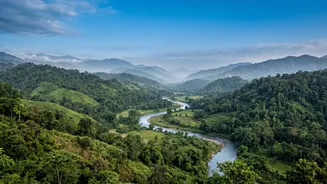
The real magic of a trip to Rupsi lies in what surrounds it. The town is a starting point for a memorable journey through a region rich in diversity. History enthusiasts can visit the Matiabag Royal Palace in the nearby town of Gauripur, a relic of the area's zamindari past. For wildlife lovers, the region is a haven. It offers access to Raimona National Park and Chakrasila Wildlife Sanctuary, which are crucial habitats for the endangered golden langur. A bit further afield, Manas National Park, a UNESCO World Heritage Site, is also accessible. Spiritual travellers can visit the revered Mahamaya Dham and the historic Gurudwara Sri Guru Teg Bahadur Sahib Ji in Dhubri, located on the banks of the Brahmaputra River. Another must-visit is the village of Asharikandi, famous for its traditional terracotta and pottery craftsmanship.
Where to Stay and What to Expect
As Rupsi is an emerging destination, accommodation options are primarily concentrated in the nearby larger towns of Dhubri and Kokrajhar. Here, you can find a range of budget-friendly hotels and guesthouses like The Brahmaputra Hotel and Hotel Vijay Residency. It is advisable to book your stay in advance, especially as interest in the region grows. The infrastructure is still developing, which is part of its off-the-beaten-path charm. Expect warm hospitality but fewer luxury resorts than you might find in more established tourist circuits. The experience here is less about opulent stays and more about authentic cultural immersion and connecting with nature.
Best Time to Visit
The ideal time to plan your trip to Rupsi and western Assam is during the winter months, from October to March. During this period, the weather is cool and pleasant, with comfortable temperatures perfect for sightseeing, wildlife safaris, and exploring the outdoors. The skies are generally clear, and the humidity is low. The summer months, from April to June, can be warm and humid, while the monsoon season, from July to September, brings heavy rainfall that can lead to flooding and disrupt travel plans. Visiting in winter also allows you to experience local festivals like Bihu, offering a deeper glimpse into Assamese culture.