






The Gentle Hydrator: Banana Peel
Often discarded without a second thought, the humble banana peel is packed with nutrients that can benefit dry, winter-ravaged skin. The inside of the peel is rich in potassium and moisture, along with vitamins B6 and B12, which can help nourish and hydrate
the skin. Some proponents claim its antioxidant properties help reduce inflammation and puffiness. For a simple, gentle treatment, you can rub the inner side of a fresh banana peel on clean skin, particularly on dry patches or under the eyes. Let the residue sit for 10-15 minutes before rinsing. While not a replacement for a dedicated moisturiser, it can provide a temporary soothing and hydrating effect that's generally safe for most skin types.
The Brightening Powerhouse: Orange Peel
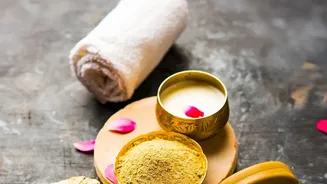
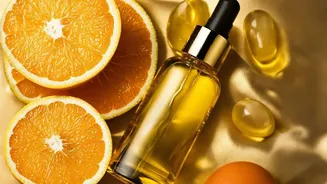
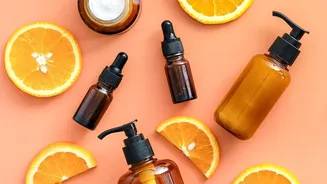
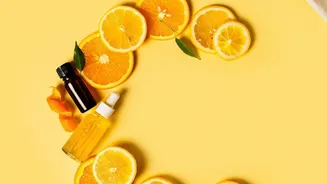
Orange peels are famous in DIY skincare, largely due to their vitamin C content, which is known to help brighten skin and support collagen production. The peel's antibacterial properties may also help with oily and acne-prone skin. However, applying fresh orange peel or its juice directly to your face is risky. It can be highly acidic and contain compounds that cause photosensitivity, leading to irritation or even burns when your skin is exposed to sunlight. A safer method is to use dried orange peel powder. You can make this by sun-drying peels, then grinding them into a fine powder. Mix a small amount of this powder with a gentle base like yogurt or honey to create a brightening face mask. This approach provides mild exfoliation and antioxidant benefits without the harshness of the fresh peel.
The Antioxidant Star: Pomegranate Peel
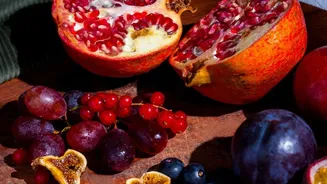
Pomegranate peels are a true antioxidant powerhouse, arguably even more so than the fruit itself. They are loaded with compounds like ellagic acid and tannins that help protect the skin from environmental damage and signs of aging. These antioxidants can help soothe inflammation and may support skin repair. Due to their tough texture, pomegranate peels must be processed before use. Like orange peels, they are best used when dried and ground into a fine powder. This powder can be mixed with water or rosewater to form a paste, creating a detoxifying mask that can help rejuvenate the skin and potentially prevent pimples. One study showed that pomegranate masks helped lighten areas of hyperpigmentation.
Important Safety Rules for DIY Skincare
While natural, fruit peels are not free from risks. The 'natural is always safe' mindset can be misleading. Fruit acids can irritate the skin, especially if it's sensitive, and some people may have allergic reactions. Always perform a patch test before applying any new mixture to your face: apply a small amount to your inner arm and wait 24-48 hours to check for redness or irritation. Furthermore, homemade preparations lack preservatives, making them a breeding ground for bacteria, so they must be made fresh for each use. Never apply ingredients like pure lemon juice directly to the skin, as it can be highly sensitizing. If you have persistent skin conditions like acne or eczema, it's crucial to consult a professional rather than relying solely on home remedies.