
Choose Your Destination Wisely
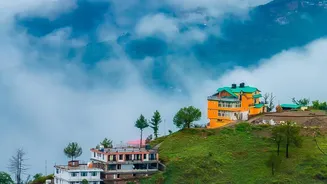
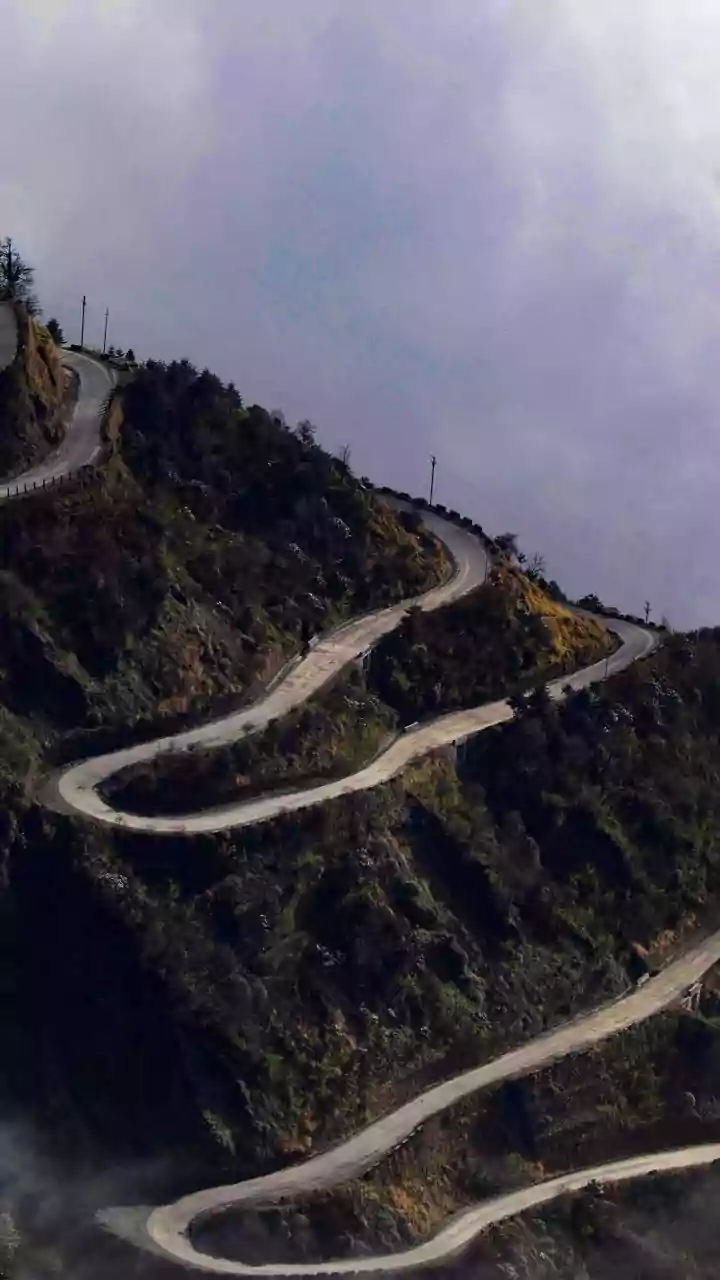
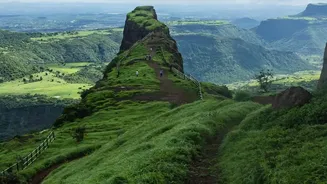
Not all hill stations are created equal during the monsoon. Regions with a history of severe landslides and flash floods, like parts of Uttarakhand, Himachal Pradesh, and Sikkim, require extreme caution. Consider destinations in the Western Ghats like Mahabaleshwar
or relatively safer Himalayan foothills such as Lansdowne or Binsar, which offer stunning monsoon beauty with better connectivity. Before booking, do a quick search for recent news on your chosen destination. Avoid areas prone to frequent road blockages or those heavily dependent on a single, vulnerable highway for access.
Master Pre-Trip Diligence
Your safety planning should begin long before you pack your bags. Monitor weather forecasts from credible sources like the India Meteorological Department (IMD). Look for district-level weather alerts, not just state-wide forecasts, and postpone your trip if an orange or red alert is issued. For road conditions, check community-powered platforms or local police social media handles, which often provide more current updates on closures than official websites. Call your hotel or homestay a few days before your travel; they will have the most accurate, on-the-ground information about local conditions.
Pack Smart, Not Heavy
Monsoon packing is about staying dry and comfortable. A reliable, full-length raincoat is more effective than an umbrella against windy hillside showers. Pack quick-drying synthetic clothes instead of cotton. Multiple pairs of socks are a must. For footwear, bring sturdy, waterproof shoes with excellent grip for slippery paths and a pair of floaters or sandals for casual wear. Protect your electronics with waterproof pouches or zip-lock bags. A basic emergency kit containing a flashlight, power bank, essential medicines for common ailments like fever and motion sickness, and a first-aid kit is non-negotiable.
Navigate Roads with Caution
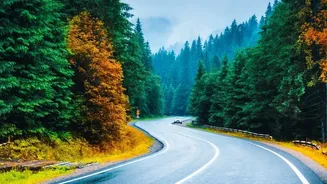
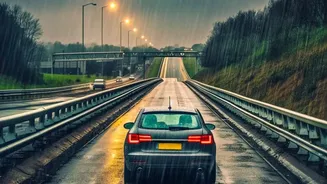
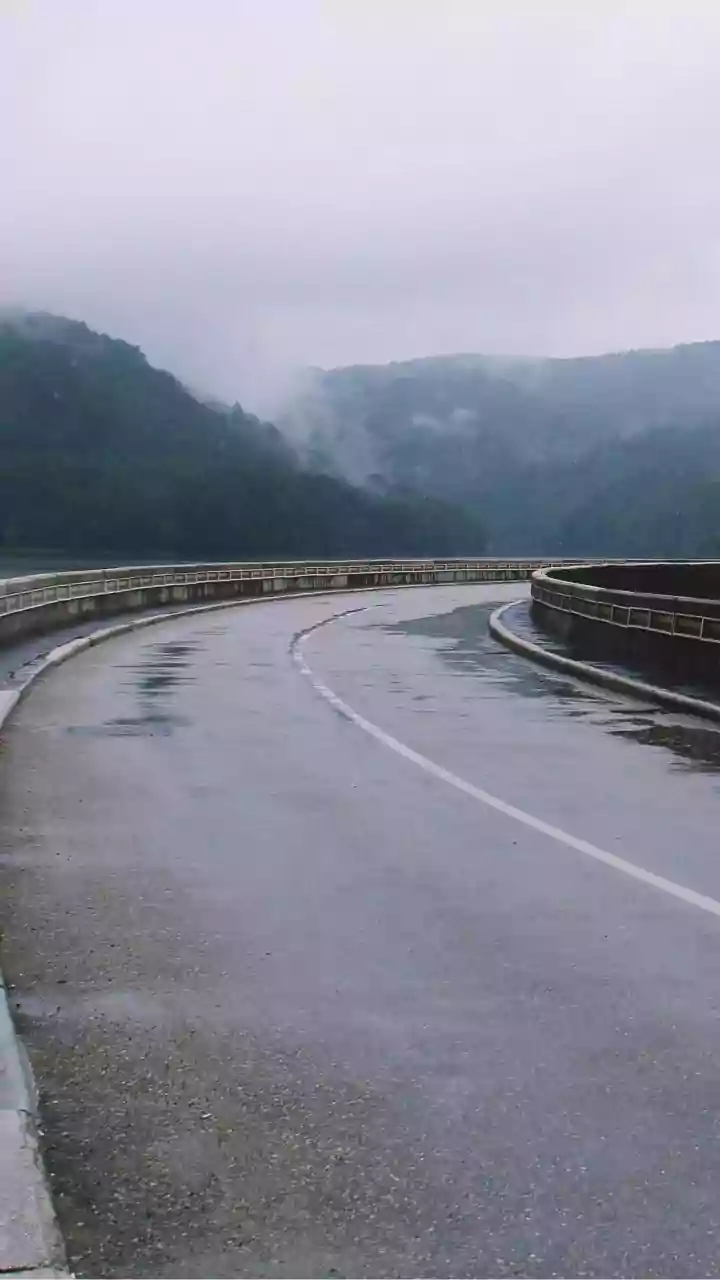
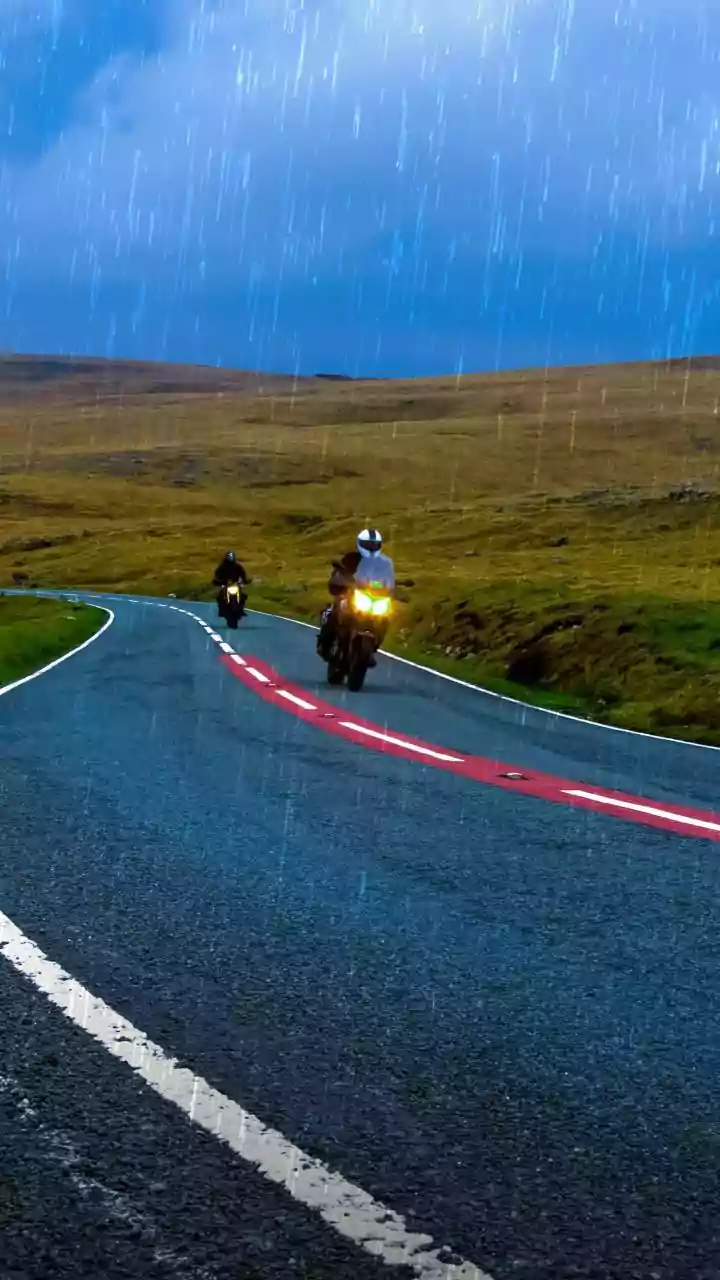
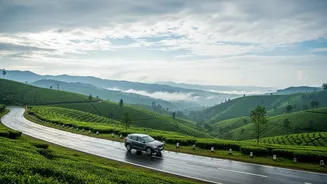
If you're driving, a pre-trip vehicle check is vital, focusing on tyres, brakes, and wipers. On the road, slow down significantly. Mountain roads become slick, and visibility can drop suddenly due to fog. Avoid driving at night, as the risk of encountering fallen debris or a landslide is higher. When going downhill, use a lower gear to let the engine control your speed rather than overheating your brakes. If possible, hire a local driver. They possess invaluable experience in navigating treacherous monsoon terrain and are aware of safe and alternative routes.
Embrace a Flexible Itinerary
A rigid schedule is your enemy during a monsoon trip. Rains can appear suddenly, forcing you to alter plans. Build buffer days into your itinerary to account for potential delays from road closures. Book hotels with flexible cancellation policies. Instead of a packed sightseeing agenda, plan for leisurely days. The goal is to soak in the atmosphere, not tick off a list. Don't be too adventurous by exploring unknown trails, which can be treacherous and mucky. Always inform your family or friends about your itinerary and check in with them regularly, as mobile connectivity can be unreliable in remote areas during heavy rain.