





Beyond the Big Weekly Shop
Many of us are used to the weekend ritual: a massive trip to the supermarket to stock up for the entire week. While efficient in theory, this approach often leads to a race against time as delicate produce wilts before we can use it. Staggered produce buying
is the simple practice of breaking up your shopping into two or more smaller trips per week. The concept is borrowed from 'just-in-time' inventory management, where you buy what you need, when you need it. This might sound like more work, but it can revolutionize your kitchen by ensuring you always have the freshest ingredients on hand.
The Flexibility Advantage
The core benefit of staggered buying is the freedom it creates. Instead of being locked into a rigid meal plan based on what might spoil first, you can adapt on the fly. Did you suddenly get a craving for a big salad on Thursday? No problem, because you're planning a mid-week stop for fresh greens anyway. This approach allows your meals to be guided by your appetite rather than your produce's expiration dates. Shoppers who visit stores more frequently value this freshness and variety. A smaller, more frequent shopping habit allows for more spontaneity and creativity in the kitchen, turning the question of 'What's for dinner?' from a chore into an opportunity.
Slash Food Waste and Save Money
A major side effect of the single weekly shop is food waste. Even with the best intentions, delicate items like herbs, berries, and leafy greens often don't survive until the end of the week. By buying smaller quantities more often, you significantly reduce the risk of spoilage. This is not only better for the environment but also for your wallet. While some studies suggest that more frequent trips can increase overall grocery spending due to impulse buys, a focused produce top-up is different. When the goal is simply to restock perishables, you avoid the temptation of browsing every aisle and stick to your list, saving the money you would have otherwise thrown in the bin as spoiled food.
A Practical Staggered Schedule
Implementing a staggered schedule is straightforward. The key is to divide your produce into two categories: hardy and delicate.
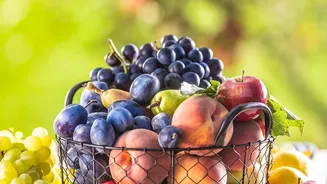
Your first trip, perhaps on the weekend, is for the long-haul items. This is when you stock up on root vegetables like potatoes and carrots, as well as sturdy fruits like apples and oranges. These are the items that will comfortably last through the week and into the next.
Your second trip, scheduled for mid-week (like Tuesday or Wednesday), is a quick visit for the delicate items. This includes leafy greens, fresh herbs, mushrooms, avocados, and soft fruits like berries and bananas. This quick 'top-up' ensures that your meals for the latter half of the week are just as fresh and vibrant as those at the beginning.
Your Staggered Shopping List
To make it easier, think of your shopping list in two parts.
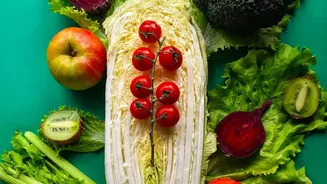
Weekend Haul (Hardy Produce): Stock up on items that have a long shelf life. This includes potatoes, sweet potatoes, onions, garlic, carrots, cabbage, cauliflower, broccoli, bell peppers, apples, citrus fruits, and winter squash.
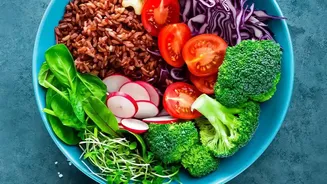
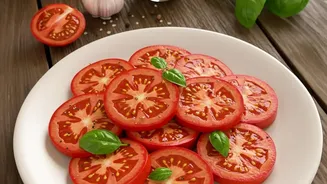
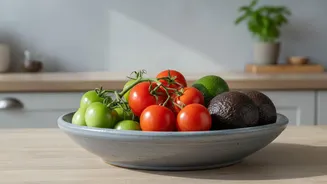
Mid-Week Top-Up (Delicate Produce): This is your express run for items that wilt or spoil quickly. Focus on salad greens, spinach, fresh herbs (like cilantro and parsley), mushrooms, asparagus, berries, avocados, and tomatoes. By planning to use these items within a few days of purchase, you guarantee peak freshness and flavor.
Making It Work for You
The idea of going to the store more than once a week can seem daunting for those with busy schedules. However, the mid-week trip doesn't have to be a major expedition. It can be a quick ten-minute stop at a local market or grocery store on your way home from work. Some people find success by having one large trip and then using a grocery delivery service for a small mid-week produce order. The goal isn't to add stress but to find a rhythm that makes your life easier and your food better. It's about being realistic with your planning and your cooking intentions for the week.