






A New Era of Ambition
For decades, ISRO was celebrated for its cost-effective and utilitarian approach, focusing on satellites for communication, weather, and Earth observation. While that foundation remains, the current mission roster signals a monumental shift in strategy.
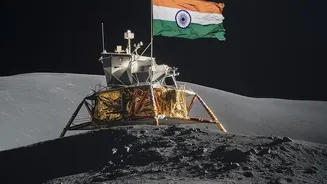
The focus has expanded to include high-prestige, capability-demonstrating projects that position India as a top-tier space-faring nation. The goals are clear: undertake human space missions, establish a space station, and send an Indian astronaut to the Moon by 2040. This represents a transition from a needs-based approach to an ambition-driven one, where space technology is a tool for geopolitical influence, scientific leadership, and long-term economic growth. This vision is backed by a roadmap with aggressive timelines, pushing India to the forefront of global space exploration.
The Missions Defining the Decade
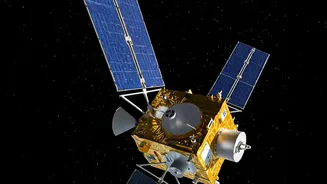
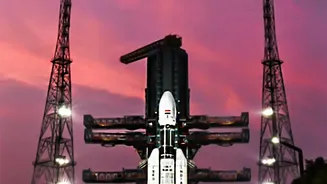
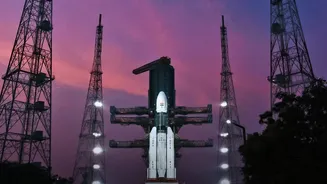
The most visible symbol of this new ambition is the Gaganyaan programme, India's first human spaceflight mission. While the final crewed launch may occur in 2027, uncrewed test flights are slated to begin as early as the latter half of 2026. Beyond Gaganyaan, the schedule is packed. Plans are in motion for Chandrayaan-4, a lunar sample-return mission, and a joint lunar polar exploration with Japan. The long-term vision includes the Bharatiya Antariksh Station (BAS), a modular space station, with its first module aimed for a 2028 launch. There are also plans for a Venus orbiter mission and a follow-up Mars lander. Each mission requires developing advanced technologies, from human-rated launch vehicles and life support systems to robotics and deep-space communication, all of which demand significant capital investment.
The Financial Fuel
These ambitious projects are powered by a notable, if nuanced, increase in funding. For the 2026-27 fiscal year, the Department of Space was allocated ₹13,705.6 crore. While this represents a modest increase over the previous year's estimate, it's a more significant 10% jump over the revised spending, signalling a commitment to ramp up activity. Crucially, there's a strong focus on capital expenditure for hardware realisation, supporting ISRO's core centres in building the rockets and satellites for missions like Gaganyaan. The budget also includes a nearly threefold increase for 'space sciences', directly funding planetary exploration missions. This financial commitment is seen by industry experts as a vital signal that supports deeper private sector involvement in major national programmes.
Building a Private Space Ecosystem
A key part of India's new space strategy is that it's no longer just an ISRO show. The government is actively fostering a robust private space ecosystem. The Indian Space Policy 2023 opened the entire space value chain to private companies, from building satellites to operating launch vehicles. The goal is to grow India's share of the global space market from around 2% to a projected 8-10%, expanding the domestic space economy from $8.4 billion to an estimated $44 billion by 2033. Agencies like IN-SPACe (Indian National Space Promotion and Authorisation Centre) are facilitating this growth, transferring ISRO technology and authorising private missions. The number of space startups has surged from fewer than ten a decade ago to over 450, attracting hundreds of millions of dollars in investment. This public-private partnership is essential for increasing launch frequency and building the industrial capacity needed to meet India's ambitious goals.