



Prepare Your Vehicle Before the Rains Hit
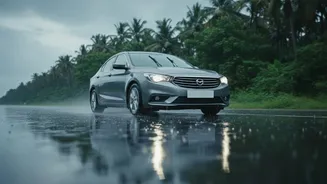
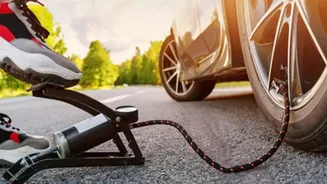
A pre-monsoon check is your first line of defence. Start with your tyres, which are the only contact between your car and the slippery road. Ensure they have adequate tread depth—at least 2-3 mm is recommended—to prevent hydroplaning, where a layer of water
builds up and causes you to lose control. Also, check and maintain the correct tyre pressure. Your braking system is equally critical. Wet roads can increase braking distances, so get your brake pads and discs inspected for wear and tear. Finally, don't overlook your wipers and lights. Replace worn wiper blades that leave streaks and ensure all your lights—headlights, tail lights, and indicators—are working perfectly. Good visibility is essential for seeing and being seen in heavy downpours.
Mastering Visibility and Defensive Driving
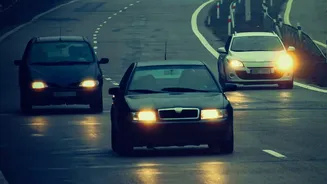
When the rain starts falling, your driving habits need to adapt. Always switch on your low-beam headlights, even during the day, to improve your visibility to other drivers. Avoid using high beams, as they can reflect off raindrops and worsen visibility for you and oncoming traffic. Reduce your speed significantly; a good rule of thumb is to drive about one-third slower than you normally would. This gives you more time to react to unexpected hazards. Double the usual distance between your vehicle and the one in front. Wet roads reduce tyre grip and dramatically increase braking distances. Avoid sudden acceleration, hard braking, and sharp turns, as these manoeuvres can easily lead to skidding on slick surfaces.
Navigating Waterlogged Roads
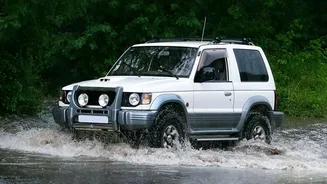
One of the biggest monsoon challenges in India is waterlogging. If you can, avoid driving through standing water, as it can conceal deep potholes or debris. If you must proceed, try to gauge the depth by watching other vehicles cross first. As a general rule, don't attempt to cross if the water is deeper than the bottom of your car's doors or halfway up your wheels. Before entering the water, switch off your air conditioning. Drive slowly and steadily in a low gear, keeping the engine revs consistent to prevent water from entering the exhaust. Don't stop in the middle of a waterlogged patch. If your car stalls, do not try to restart the engine, as this can cause severe damage known as hydrostatic lock.
Beware of Hidden Monsoon Hazards
Rainy conditions create a unique set of hazards on Indian roads. Potholes, often hidden by murky water, can cause significant damage to your tyres and suspension. Be extra cautious as the first rains can mix with oil and dirt on the road, creating an exceptionally slippery surface. Painted road markings, like zebra crossings, also become slick when wet, so avoid braking hard on them. Visibility is not just about what you can see, but also about being seen. Heavy spray from larger vehicles can temporarily blind you, so maintain a safe distance. Be especially considerate of two-wheelers and pedestrians, who are more vulnerable in these conditions and harder to spot.
Pack an Essential Monsoon Emergency Kit
Being prepared for the unexpected can make a huge difference. Keep a monsoon emergency kit in your car. This should include a first-aid kit, a powerful torch, and a fully charged power bank for your phone. It's also wise to have a tow rope, jumper cables, and basic tools. A raincoat is often more practical than an umbrella if you need to get out of your car, as it keeps your hands free. Storing some dry snacks and bottled water is also a good idea in case you get stranded for a prolonged period. Finally, having essentials like microfiber cloths to wipe down foggy interiors and a pair of rubber boots can make dealing with a roadside issue much more manageable.