

The Original Indian Superfood
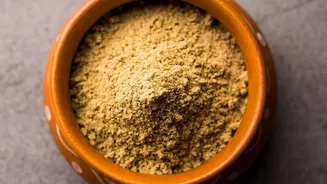
For generations, sattu has been a staple in regions like Bihar, Uttar Pradesh, and Punjab, cherished by farmers and labourers for its incredible ability to provide sustained energy. Often called the ‘poor man’s protein,’ this flour is traditionally made
from roasted Bengal gram (chana), which is then ground into a fine powder. This simple process creates a nutrient-dense food that is celebrated for its cooling properties, making it a go-to refreshment during scorching summers, typically mixed with water, salt, and lemon juice to create a hydrating sharbat. Its legacy is built on affordability, accessibility, and pure, unadulterated nourishment.
A Nutritional Powerhouse Explained
The nutritional profile of sattu is impressive and explains its resurgence in popularity among health-conscious individuals. It is an excellent source of plant-based protein, with some varieties offering 20-25 grams per 100-gram serving, making it a fantastic alternative to commercial protein powders. Beyond protein, sattu is rich in dietary fibre, which aids digestion, promotes gut health, and helps keep you feeling full for longer. It’s also packed with complex carbohydrates that provide a slow, steady release of energy, preventing the sugar crashes associated with many processed foods. Furthermore, it contains essential minerals like iron, magnesium, and calcium, which support everything from blood health to muscle function.
From Traditional Drink to Modern Bowl
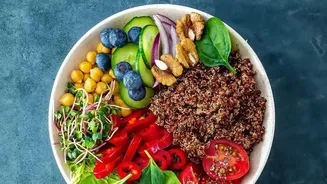
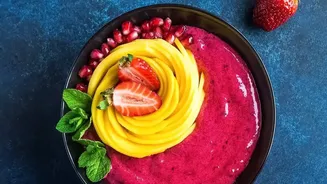
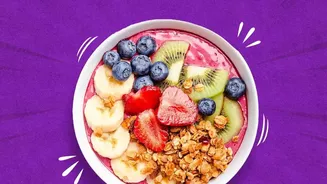
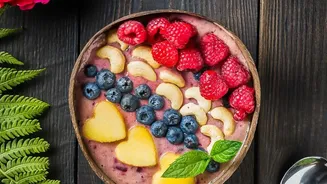
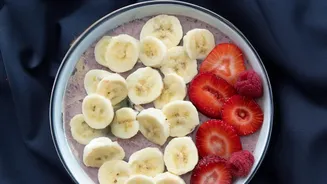
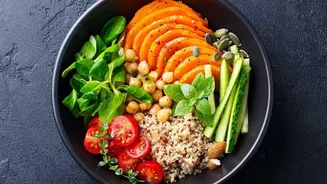
While the classic sattu sharbat remains a beloved classic, the modern wellness movement has reimagined it as a versatile meal bowl. The concept is simple: use sattu as the base for a complete, no-cook meal. Instead of a thin drink, the flour is mixed with a thicker medium like yogurt or buttermilk to create a porridge-like consistency. This bowl is then loaded with a variety of textures and nutrients. Think chopped vegetables like onions and carrots, fresh sprouts for extra protein and crunch, and a garnish of herbs like coriander. Sweet versions are also popular, combining sattu with milk or a plant-based alternative, a ripe banana, and a drizzle of honey or jaggery. This evolution from a simple drink to a hearty bowl transforms sattu from a quick refreshment into a satisfying and complete meal.
The Perfect Fuel for Active Lifestyles
For those who lead an active life, sattu bowls offer a perfect blend of nutrients for performance and recovery. The high protein content is crucial for repairing muscle tissues that break down during exercise and for building lean muscle mass. Consuming a sattu bowl post-workout can significantly aid muscle recovery. The complex carbohydrates ensure that your energy levels remain stable, providing the stamina needed for intense workouts or a long day at work without the subsequent crash. Its natural cooling properties and electrolytes like potassium and magnesium also help with hydration, replenishing minerals lost through sweat. This makes it a superior, natural alternative to many sugary sports drinks.
How to Create Your Own Sattu Bowl
Building your own sattu bowl is easy and highly customisable. Start with a base of 3-4 tablespoons of sattu flour. For a savoury bowl, mix it with thick yogurt or buttermilk, then add finely chopped onion, cucumber, and tomato. Season with black salt, roasted cumin powder, and a squeeze of lemon juice. For an extra crunch and healthy fats, top it with roasted peanuts. For a sweet, energy-boosting breakfast bowl, blend sattu with milk (dairy or almond milk works well), a mashed banana, and a teaspoon of honey or jaggery. Feel free to add a sprinkle of nuts, seeds, or cinnamon. The beauty of the sattu bowl lies in its adaptability to your personal taste and nutritional needs.