


The Unsung Nutritional Heroes
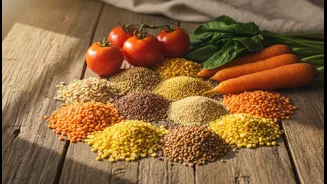
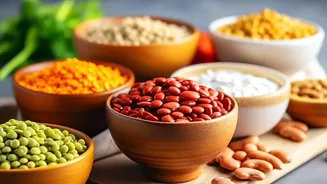
Legumes are nutritional powerhouses quietly hiding in plain sight. A single serving of lentils (dal), chickpeas (chana), or kidney beans (rajma) is packed with essential nutrients. They are an excellent source of plant-based protein, crucial for muscle
repair and overall body function. But their benefits don't stop there. Legumes are exceptionally rich in dietary fibre, which aids digestion and promotes a feeling of fullness, helping with weight management. This fibre, particularly the soluble kind, plays a key role in maintaining health. Furthermore, they are loaded with vital minerals and vitamins, including folate, iron, magnesium, and potassium, which are essential for everything from producing red blood cells to regulating blood pressure. Unlike many other protein sources, legumes are naturally low in fat and contain no cholesterol.
Your Wallet’s Best Friend
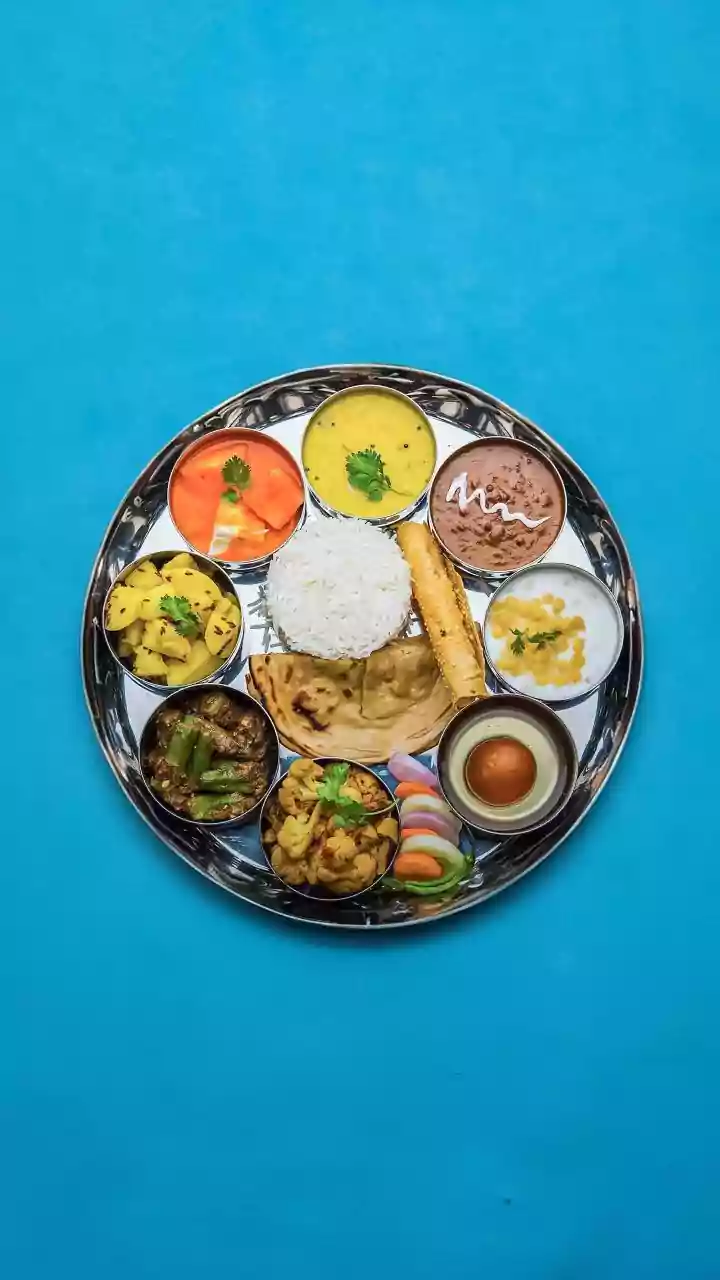
One of the most compelling reasons to embrace legumes is their remarkable affordability. In a country where food budgets can be tight, dals, chana, and rajma provide some of the most cost-effective protein available. When you compare the cost per gram of protein, legumes are significantly cheaper than animal-based sources like meat and even paneer. For many Indian households, they form the very backbone of daily protein intake, making a nutritious diet accessible to everyone. The combination of legumes with grains, a tradition embedded in Indian food culture through dishes like dal-roti and rajma-chawal, creates a complete protein profile, providing all the essential amino acids your body needs. This makes the humble plate of dal and rice not just comfort food, but a nutritionally complete and economically smart meal.
Supportive Nutrition, Not a Medical Cure
While the health benefits of legumes are well-documented, it is crucial to understand their role correctly. They are a key part of a healthy diet, not a magical remedy. Many studies show that regular consumption of legumes can support health in significant ways. Their high fibre content and low glycemic index (GI) mean they release energy slowly, preventing sharp spikes in blood sugar. This makes them particularly beneficial for managing blood sugar levels and can lower the risk of developing type 2 diabetes. The soluble fibre in legumes also helps reduce LDL (bad) cholesterol levels, and their potassium content contributes to better blood pressure control, both of which support cardiovascular health. However, it's important to view these benefits as supportive. Legumes contribute to a pattern of eating that reduces risk; they do not, on their own, cure disease. Just as with any single food, their power lies in being part of a balanced and varied diet, not in exaggerated claims.
Beyond the Everyday Dal
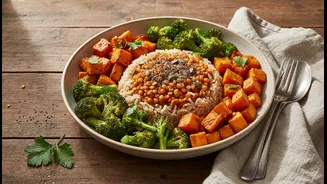
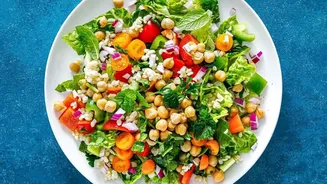
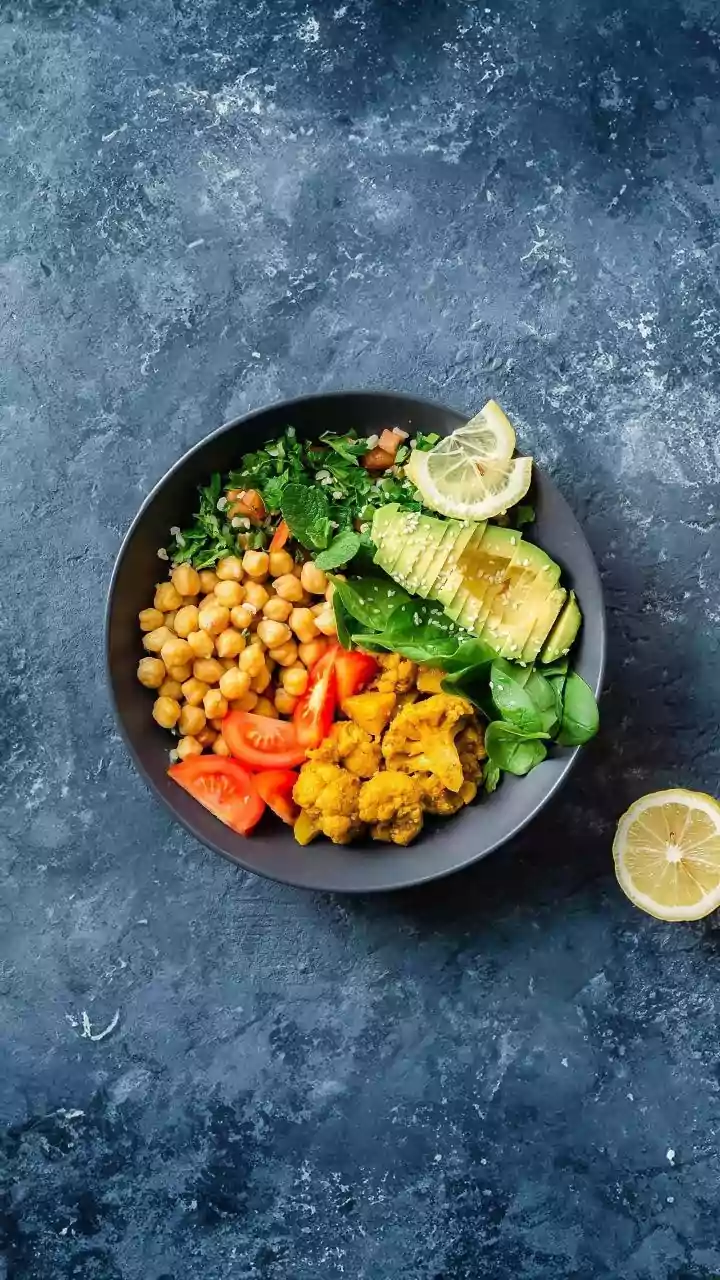
While a warm bowl of dal is a staple, there are countless other delicious ways to incorporate more legumes into your diet. Exploring this variety can make healthy eating more exciting. Start your day with a moong dal chilla, a savoury pancake that is both light and protein-rich. For lunch, a salad with boiled chickpeas or kidney beans adds texture and substance. Roasted or spiced chickpeas make for a fantastic, crunchy snack, replacing processed alternatives. You can also mash beans into patties to make homemade burgers or add them to vegetable curries and pulao to boost their nutritional value. Even traditional snacks can get a healthy upgrade; think of sprouts-based chaat or hummus made from chickpeas. By thinking of legumes as a versatile ingredient rather than just a side dish, you can effortlessly increase your intake and reap their many benefits.