







The Pre-Rotation Purge
Before you can properly store your summer clothes, you need to decide what's worth keeping. The first step in any effective wardrobe rotation is a thoughtful declutter. Go through your warm-weather items one by one. Ask yourself if you wore it this past
season. If not, why? Be honest about what still fits your style and what you can donate or sell. This not only frees up valuable storage space but also ensures you’re only preserving clothes you genuinely love and will wear again. A streamlined wardrobe makes the seasonal switch feel less overwhelming and more like a fresh start.
Cleanliness is Next to Longevity
Packing away dirty clothes is an open invitation for problems. Invisible residues like body oils, perfume, and small food splatters can set in over time, causing yellowing and attracting pests like moths. Moths are particularly drawn to natural fibres like wool and cotton, but they are most attracted to the nutrients found in soiled spots. Before a single item goes into storage, it must be properly cleaned according to its care label. Wash or dry-clean everything, and then ensure each garment is completely bone-dry. Trapped moisture, even slight dampness in seams, can lead to mildew and musty odours.
The Art of Folding Sweaters
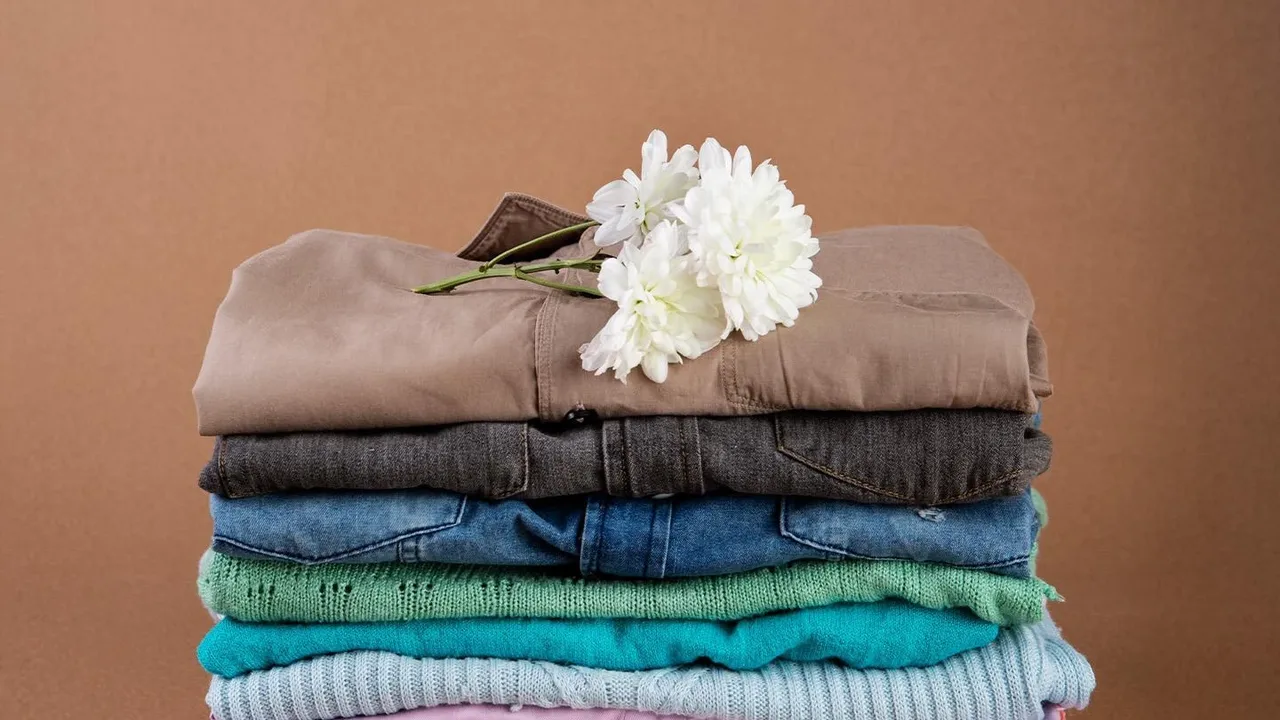
When it comes to knitwear, folding is almost always better than hanging. Gravity is the enemy of sweaters; hanging them causes the delicate knit structure to stretch, especially at the shoulders, leading to permanent distortion and those dreaded hanger bumps. The best technique is to lay the sweater face down, fold the arms inward to create a rectangle, and then fold the body in half or thirds. This creates a neat, stackable package that protects the garment's shape. For very delicate items like cashmere, you can place acid-free tissue paper between the folds to prevent creasing and friction.
Smart Storage Solutions
The right container and location are crucial for keeping your off-season clothes safe. Avoid storing items in the plastic bags from the dry cleaner, as they can trap moisture. Instead, opt for breathable containers like canvas bins or cotton garment bags, especially for delicate fabrics like wool and silk that need air circulation. For bulky items, vacuum-sealed bags can be a great space-saver, but avoid them for structured or delicate pieces that can be crushed. Store your containers in a cool, dark, and dry place, like a closet shelf or under a bed, rather than a damp basement or hot attic where temperature fluctuations can degrade fabric.
Protecting Against Pests
A clean, well-stored wardrobe is your best defence against pests, but adding a natural repellent provides an extra layer of security. Cedar is considered the gold standard; its scent naturally deters moths. You can use cedar blocks, balls, or hangers in your storage containers and closet. Lavender is another popular and effective choice, with a scent that humans find pleasant but moths despise. You can place sachets filled with dried lavender among your folded clothes. Remember that the scent fades over time, so cedar blocks may need a light sanding and sachets should be replaced every season to remain effective.
Welcoming Your Winter Wardrobe
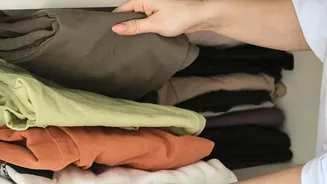
With your summer clothes safely stored, it’s time to arrange your winter wear. Place your most frequently worn items, like heavy coats and everyday sweaters, at eye level and in the most accessible parts of your closet. Use the same folding techniques for your winter knits to keep them in top condition. Group items by category—all sweaters together, all trousers together—to make getting dressed on cold mornings faster and easier. This organised approach not only saves time but also allows you to see what you have, making it easier to create new outfits and identify any gaps in your winter collection.