






First, What Is Quick Commerce?
Quick commerce, or q-commerce, is a model of e-commerce focused on ultra-fast delivery, typically within 10 to 30 minutes. It works by using a network of 'dark stores'—small, local warehouses strategically placed in dense urban areas that are not open
to the public. These micro-fulfillment centers stock a curated selection of high-demand products, allowing companies to pick, pack, and dispatch orders with incredible speed. Unlike traditional e-commerce that optimizes for a massive selection, q-commerce optimizes for one thing above all: immediacy.
The Grocery Gateway
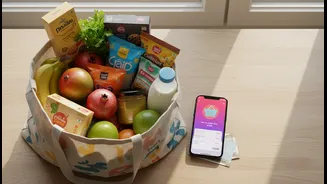
For years, quick commerce was almost synonymous with groceries. Platforms like Swiggy Instamart, Blinkit, and Zepto built their businesses on delivering milk, bread, eggs, and fresh produce. This made perfect sense. Groceries are high-frequency purchases; people need them regularly and often urgently. This predictable demand allowed companies to fine-tune their logistics, build customer habits, and establish a foothold in the competitive world of on-demand services. It was the perfect training ground to prove the model could work.
Beyond the Pantry
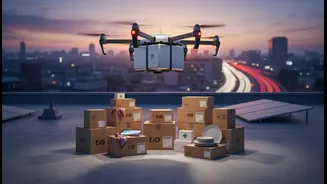
Now, the game is changing. Indian quick commerce platforms are aggressively expanding into a wide range of non-grocery categories. Blinkit offers everything from LEGO sets and stationery to basic electronics and beauty products. Swiggy Instamart has integrated its 'Mall' feature, adding categories like footwear, small electronics, and kitchen appliances. Zepto is also diversifying into higher-value items like electronics, personal care, and even at-home diagnostic services. This expansion means non-grocery items now make up a significant portion of sales, climbing from under 10% just a few years ago to 20-25% or more on some platforms.
Why the Expansion Makes Sense
The move beyond groceries is driven by simple business logic. While groceries build a habit, they are often low-margin items. Higher-value products like electronics, cosmetics, and fashion accessories offer much better profit margins. By adding these categories, platforms can increase the average order value (AOV)—the amount a customer spends per transaction. A bigger basket size is crucial for offsetting the high operational costs of running dark stores and maintaining a delivery fleet. Furthermore, a wider selection makes the service stickier, turning it from an emergency grocery app into a one-stop shop for a variety of immediate needs.
Redefining 'Instant' for Everyone
This diversification is what makes the true potential of instant delivery easier for everyone to grasp. When q-commerce was only about groceries, it could be dismissed as a niche service for forgetful cooks. But when you can get a phone charger delivered in 10 minutes because yours just broke, or a last-minute birthday gift without leaving the office, the definition of 'instant' changes. It's no longer just about convenience; it's about solving a much broader range of everyday problems immediately. This shift reframes quick commerce from a novelty to a fundamental utility, changing consumer behavior and expectations in the process.
Challenges on the Fast Lane
Despite the rapid growth, the path isn't entirely smooth. Profitability remains a major challenge in the quick commerce industry. The high costs of real estate for dark stores, delivery rider fees, and intense competition put immense pressure on unit economics. Many companies are still figuring out how to balance lightning-fast delivery promises with a sustainable business model. As they add more complex and expensive items, they also have to deal with new challenges like managing returns and preventing damage for fragile goods, which can eat into the higher margins they seek.