




A Fundamental Shift in Threats
For centuries, the greatest enemies of historical sites were time, neglect, and human conflict. Conservators focused on reversing decay, preventing looting, and managing the impact of urban development. But the 21st century has introduced a more pervasive
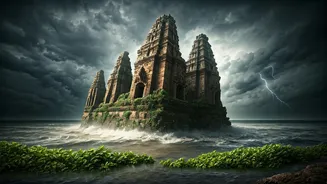
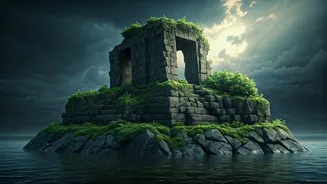
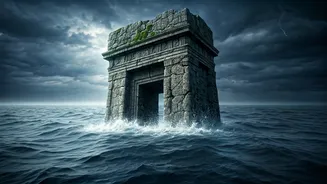
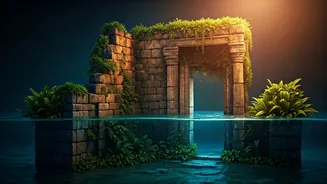
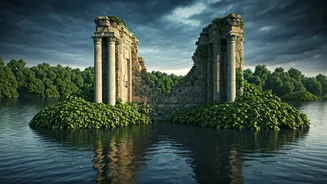
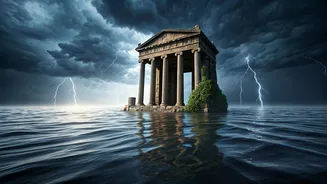
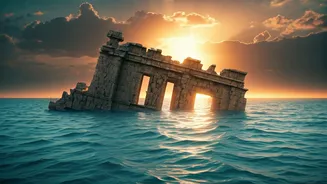
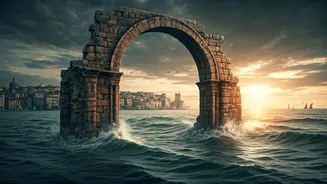
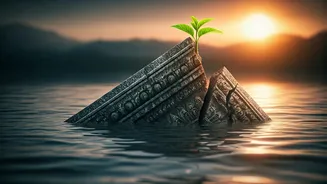
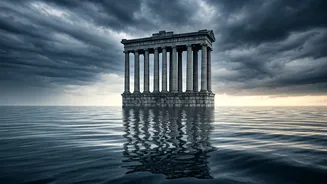
and powerful adversary: climate change. According to UNESCO, one in three natural sites and one in six cultural heritage sites are now directly threatened by climate-related disasters. This isn't a future problem; it's a present-day crisis unfolding from Venice's sinking foundations to the eroding coastlines threatening ancient ruins. Extreme weather events, once considered rare, are becoming more frequent and intense, putting unprecedented stress on structures that have stood for hundreds or even thousands of years.
Monuments on the Frontline
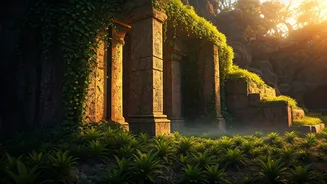
The threats are as diverse as the sites themselves. Coastal heritage, from the historic port city of Kilwa Kisiwani in Tanzania to the iconic Moai statues of Rapa Nui (Easter Island), face irreversible damage from sea-level rise and storm surges. In arid regions, extreme heat and temperature fluctuations cause materials like stone and brick to expand and contract, leading to cracks and structural instability. Meanwhile, increased humidity in tropical zones accelerates the growth of invasive plants and termite activity, damaging structures from within, as seen at sites like Angkor in Cambodia. In 2020, severe flooding in China damaged over 130 cultural sites, including a 500-year-old bridge from the Ming dynasty. Even glaciers in World Heritage sites are projected to disappear from nearly half of these locations by 2100 if emissions continue unabated.
The Conservator's New Toolkit
In response, the field of conservation is undergoing a radical transformation. The old mantra of perfect, invisible restoration is being challenged by the need for visible, urgent adaptation. Strategies that would have once been unthinkable are now on the table. This includes building reversible flood barriers, introducing modern, more resilient materials for repairs, and improving drainage systems. Some traditional buildings are finding solutions in their own history, reviving features like shutters and awnings to provide solar shading against extreme heat. In the most extreme cases, discussions now include the concept of 'managed retreat'—the careful dismantling and relocation of an entire structure to safer ground. For sites that cannot be saved physically, digital preservation offers another path. Projects are underway to create detailed 3D models and 'digital twins' of at-risk locations, ensuring that a record of their existence survives even if the original is lost.
An Era of Difficult Questions
This new era forces a difficult philosophical debate. How much can a historic site be altered before it loses its authenticity? If a centuries-old building is moved brick by brick, or repaired with modern concrete instead of traditional lime mortar, does it retain its heritage value? There are no easy answers. Conservationists, engineers, and local communities must now weigh the integrity of a site against its very survival. The focus is shifting from preserving a static object to managing a dynamic process of change. This involves not only scientific data but also understanding the cultural values and traditional knowledge of the communities connected to these sites. The famous phrase "the greenest building is the one that's already built" has taken on new meaning, highlighting how preserving existing structures is a powerful form of climate action by avoiding the carbon emissions of demolition and new construction.