



The Rise of Solid Beauty
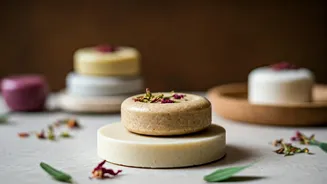
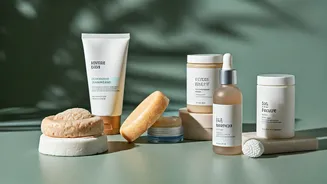
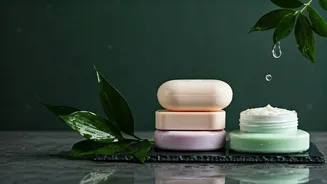
One of the biggest trends in water-conscious beauty is the return of the bar. But these aren't your grandmother's drying soap bars. Today's solid toiletries span shampoo, conditioner, face wash, and even moisturiser. These products are highly concentrated
because they contain little to no water, which often makes up 60-85% of traditional liquid formulas. This concentrated format means they last much longer—a single shampoo bar can replace multiple plastic bottles of liquid shampoo, reducing both water usage and packaging waste. Brands like Ethique, Lush, and SBTRCT have pioneered solid products that are packed with high-quality ingredients, offering potent results without the plastic bottle.
Concentrated & Powder Formulas
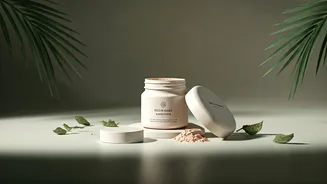
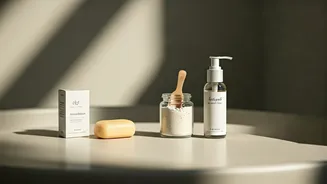
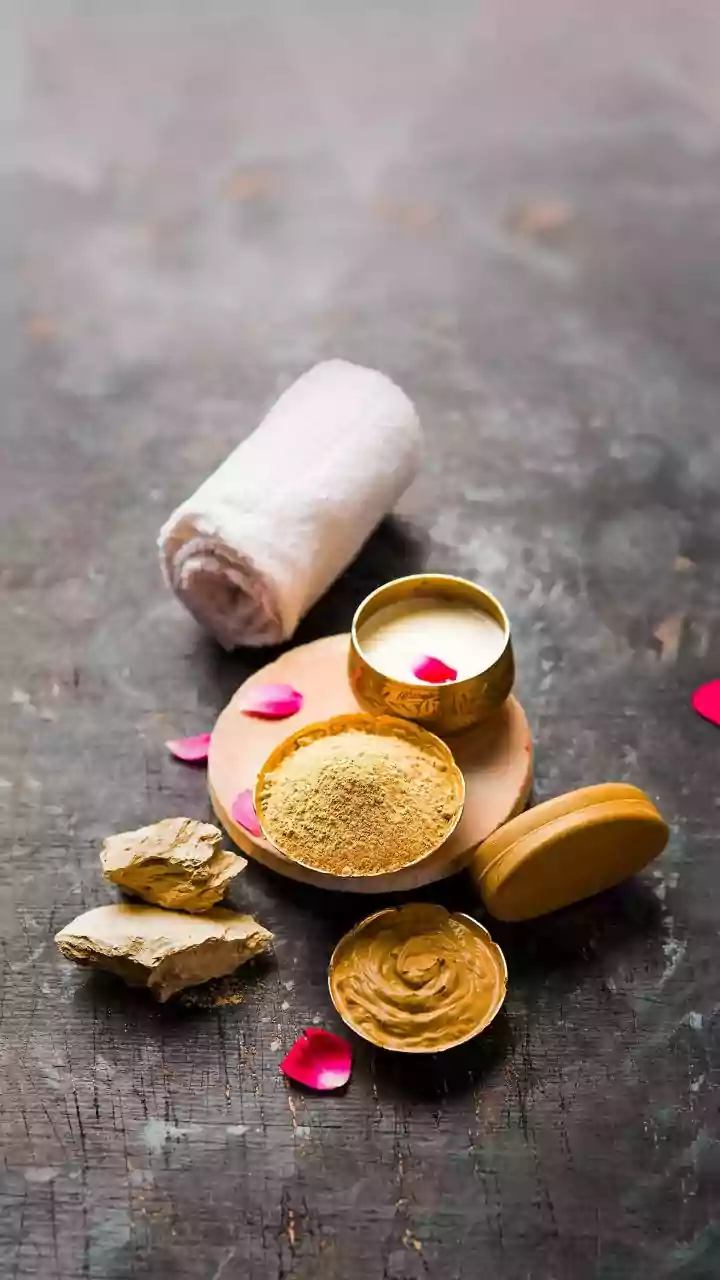
Similar to solids, concentrated and powder-based products deliver potent ingredients without water as a filler. Think powder-to-foam cleansers that activate with a splash of water in your hands, or powerful serums that use botanical oils instead of H2O. This approach has two key benefits. First, it makes the active ingredients more potent, as they aren't diluted. Second, it requires less packaging and reduces the product's carbon footprint during transport. Some brands are even creating customisable powder face masks that you can mix at home, giving you a fresh mask every time while cutting down on preservatives and waste.
No-Rinse & Leave-In Heroes
A significant portion of water waste in beauty happens during the rinse-off phase. In response, the industry has seen a surge in effective no-rinse products. Dry shampoos are a classic example, allowing you to refresh your hair and extend time between washes, which saves a significant amount of water. The innovation doesn't stop there. Micellar waters, leave-in conditioners, and even dry sheet masks offer ways to cleanse, hydrate, and treat your skin and hair without ever turning on the tap. These products are perfect for busy lifestyles, post-gym refreshes, and travel, all while contributing to water conservation goals.
Smart Tech in the Shower
Innovation is also happening at the hardware level. Major companies are developing new technologies designed to fundamentally change how we use water in the shower. L'Oréal, in partnership with the environmental innovation company Gjosa, developed the Water Saver showerhead. This device uses a technology called water fragmentation, inspired by rocket engines, to create a high-pressure stream of micro-ionized droplets. The result is a system that can reduce water consumption by up to 65-80% while still providing an effective rinse. Initially rolled out in salons, the technology is also being developed for at-home use, showing a serious commitment to tackling water consumption at the source.
Mindful Habits Make a Big Difference
Beyond buying new products, the most accessible way to reduce water waste is by adjusting our habits. Simply turning off the tap while lathering up shampoo or shaving can save litres of water during a single shower. Other simple changes include taking shorter, lukewarm showers, which is also better for your skin's moisture barrier. Even being mindful of how you clean your makeup brushes can help; spot-cleaning them daily means you'll need to do a full, water-intensive deep clean less often. These small, conscious choices, when adopted collectively, can have a massive and immediate impact on overall water consumption.