
Great Slave Lake, Canada: A Frozen Universe
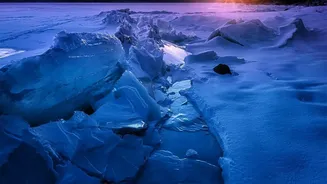
As North America's deepest lake, Great Slave Lake transforms into a vast, otherworldly expanse each winter. Spanning over 28,000 square kilometres, its frozen surface becomes a highway and a playground. The lake is a premier destination for viewing the Aurora
Borealis, with tour operators taking visitors far from city lights by snowmobile or dogsled to witness the celestial light show. The ice, which can remain until mid-June in parts, hosts a month-long snow castle festival in March and provides a base for ice fishing in heated shacks. This massive body of water, central to the lives of the local Dene people, offers a profound sense of scale and serenity, with activities ranging from snowmobiling to cultural tours demonstrating traditional life on the ice.
Lake Baikal, Siberia: The Soul of Ice
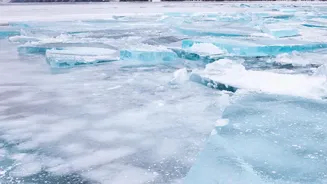
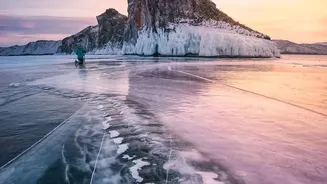
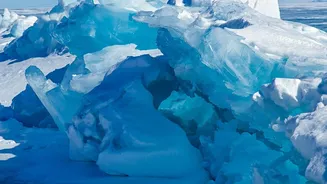
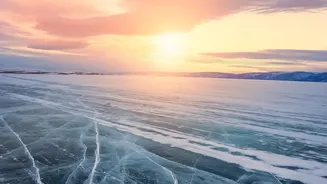
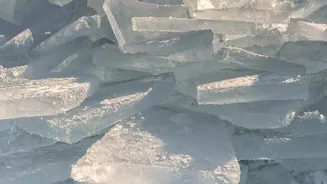
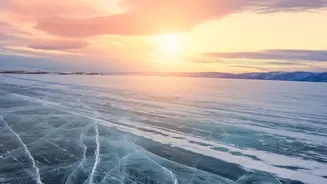
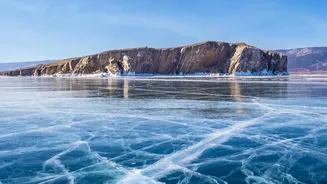
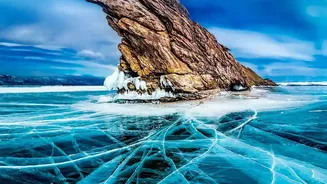
Holding 20% of the world's unfrozen freshwater, Siberia's Lake Baikal is a titan among lakes. In winter, it becomes one of the most surreal landscapes on Earth. The ice grows up to 1.5 metres thick, often freezing so clear that you can see deep into the water below. This transparency creates an astonishing visual effect. The lake's surface is a dynamic canvas of cracks, pressure ridges known as hummocks, and vast, smooth fields of turquoise ice. From January to March, official ice roads are laid across the frozen surface, allowing vehicles to traverse this 'sacred sea'. It is a place of extremes, where the sheer beauty of the ice caves and frozen grottoes is matched only by the profound cold, often dropping below -20°C.
Abraham Lake, Canada: Trapped Methane Bubbles
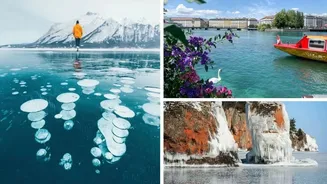
Another Canadian marvel, Abraham Lake in Alberta, offers a completely different kind of frozen spectacle. This man-made reservoir is famous for a peculiar natural phenomenon: stacks of frozen methane bubbles trapped beneath the ice. The bubbles are released by decomposing organic matter—including a forest submerged when the lake was created—on the lakebed. As they rise, they are frozen in suspended animation, creating stunning vertical columns that look like strings of pearls. The area's strong winds frequently sweep the ice clear of snow, making Abraham Lake one of the best places in the world to witness this phenomenon. The best viewing season is typically from mid-January to early February, when the ice is at its thickest and most transparent.
Jökulsárlón Glacier Lagoon, Iceland: A River of Icebergs
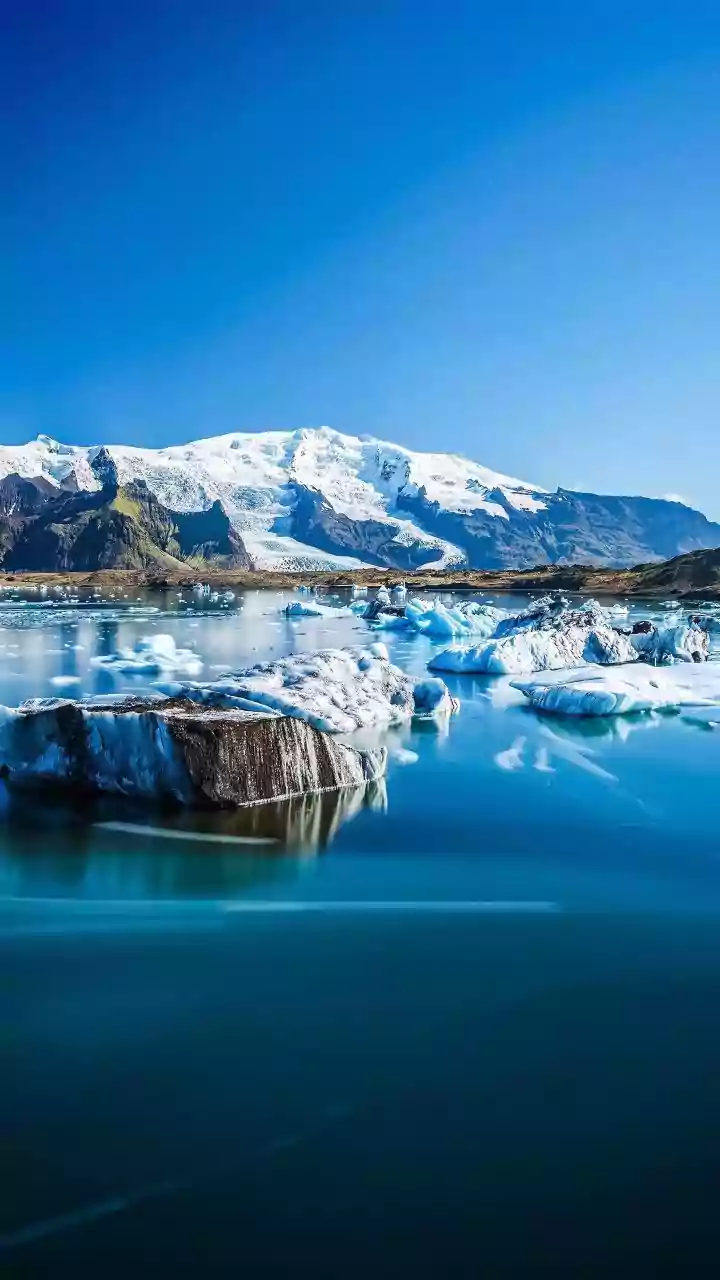
On the coast of southern Iceland, Jökulsárlón is a large glacial lagoon where icebergs calve from the massive Vatnajökull glacier and float silently towards the ocean. In winter, the spectacle is particularly dramatic. The low sun creates a golden light, illuminating the icebergs, which range in colour from translucent to brilliant blue and black-streaked volcanic ash. The lagoon doesn't completely freeze over, so the icebergs are constantly, slowly moving. Many wash ashore on the adjacent black sand beach, which has earned the fitting name 'Diamond Beach'. The contrast of the clear, sculptural ice against the black sand is a photographer’s dream and a highlight of any Icelandic winter tour.