







Fortify Your Exterior Defences
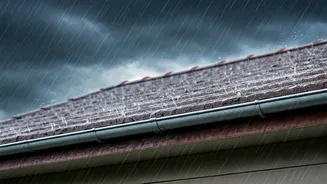
Your home's first line of defence is its exterior. Before the downpour begins, inspect your roof for any loose or cracked tiles and get them repaired or replaced. Check the terrace for cracks and apply a fresh coat of waterproofing solution; products
like Dr. Fixit are household names for a reason. Pay close attention to exterior walls. If you see any cracks, fill them immediately with waterproof putty or sealant to prevent water from seeping in and causing internal dampness, or 'seelan'. Finally, clear out all drains and gutters around your property. Remove leaves, debris, and plastic waste to ensure rainwater flows away from your foundation, preventing waterlogging and damage.
Combat Interior Dampness and Mould
Humidity is the monsoon’s unwelcome guest. It warps wooden doors and furniture, and creates the perfect breeding ground for mould and mildew. To combat this, ensure your home is well-ventilated. Open windows on dry, sunny days to let air circulate. Inside cupboards and wardrobes, place moisture absorbers like silica gel pouches or even natural options like neem leaves and camphor balls. These not only absorb excess moisture but also act as a deterrent for pests. If you notice a musty smell, it's a sign of fungal growth. A dehumidifier can be a great investment for homes in extremely humid regions. Check walls for damp patches and address the source of the leak immediately rather than just painting over it.
Pest-Proof Your Premises
The rainy season is prime time for insects and rodents seeking shelter. Seal all cracks and holes in your walls, floors, and around pipes where pests might enter. Ensure your window meshes have no tears. Don’t let water stagnate in pots, pans, or air cooler trays, as these become breeding grounds for mosquitoes. A good rule of thumb is to dispose of garbage daily and keep kitchen counters clean to avoid attracting ants and cockroaches. For termites, which thrive in damp conditions, check wooden furniture and fixtures for any signs of infestation. A professional pest control treatment just before the monsoon can save you a world of trouble and expense later.
Prioritise Electrical Safety
Water and electricity are a deadly combination. High humidity and leaky walls increase the risk of short circuits and electric shocks. Get an electrician to inspect your home’s wiring, especially any external wiring or connections. Ensure all sockets, switches, and appliances are properly earthed. If you have any exposed wires, get them fixed immediately. Investing in a surge protector for expensive electronics like your TV, refrigerator, and computer is a wise move to protect them from voltage fluctuations common during storms. If any wall with electrical fittings feels damp, switch off the mains supply to that area and call an electrician without delay.
Stock Up and Stay Ready
Power cuts and supply chain disruptions can be common during heavy rains. Prepare a monsoon emergency kit to handle these situations comfortably. This should include candles, matchboxes, a powerful torch with extra batteries, and a fully charged power bank for your mobile phones. Stock up on essential non-perishable food items and clean drinking water. Keep a first-aid kit handy with antiseptic lotions, bandages, and any necessary medications. Finally, make sure your rain gear—umbrellas, raincoats, and waterproof footwear—is easily accessible for when you absolutely have to step out.