


A Puzzling Pattern Emerges
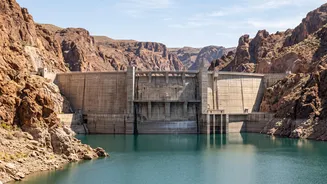
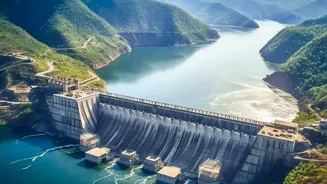
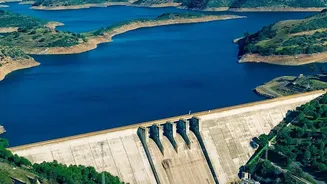
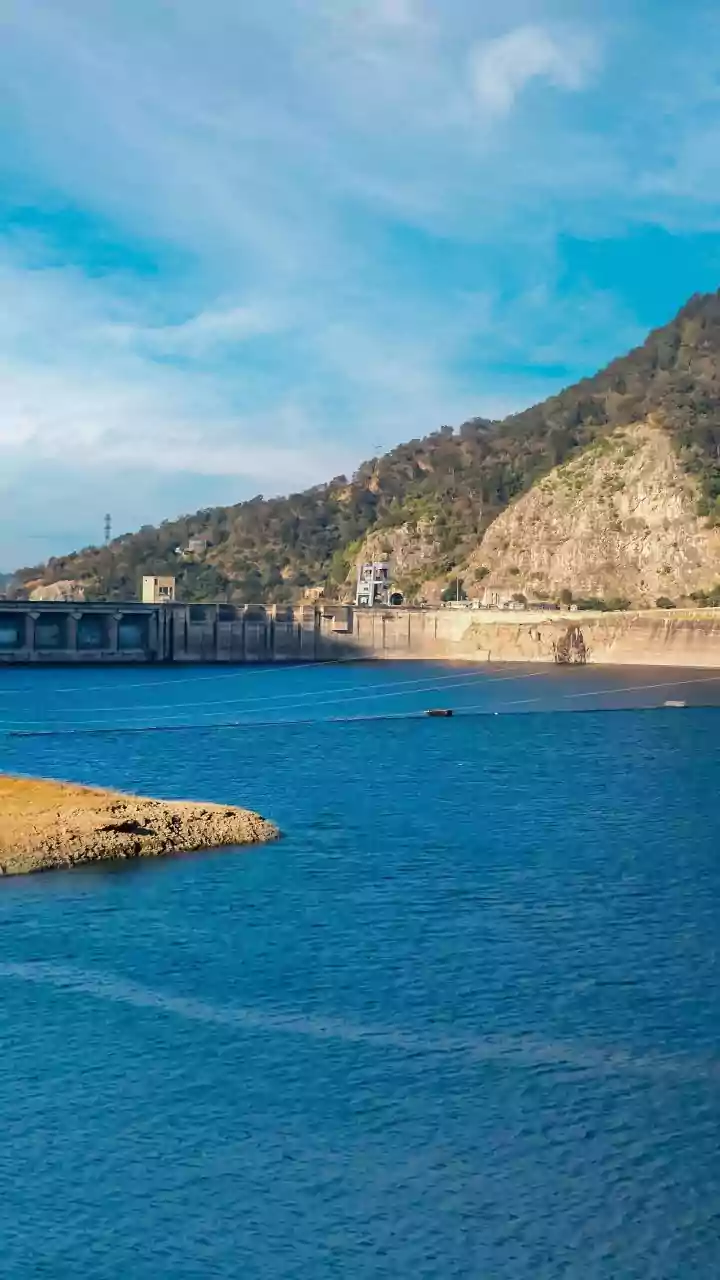
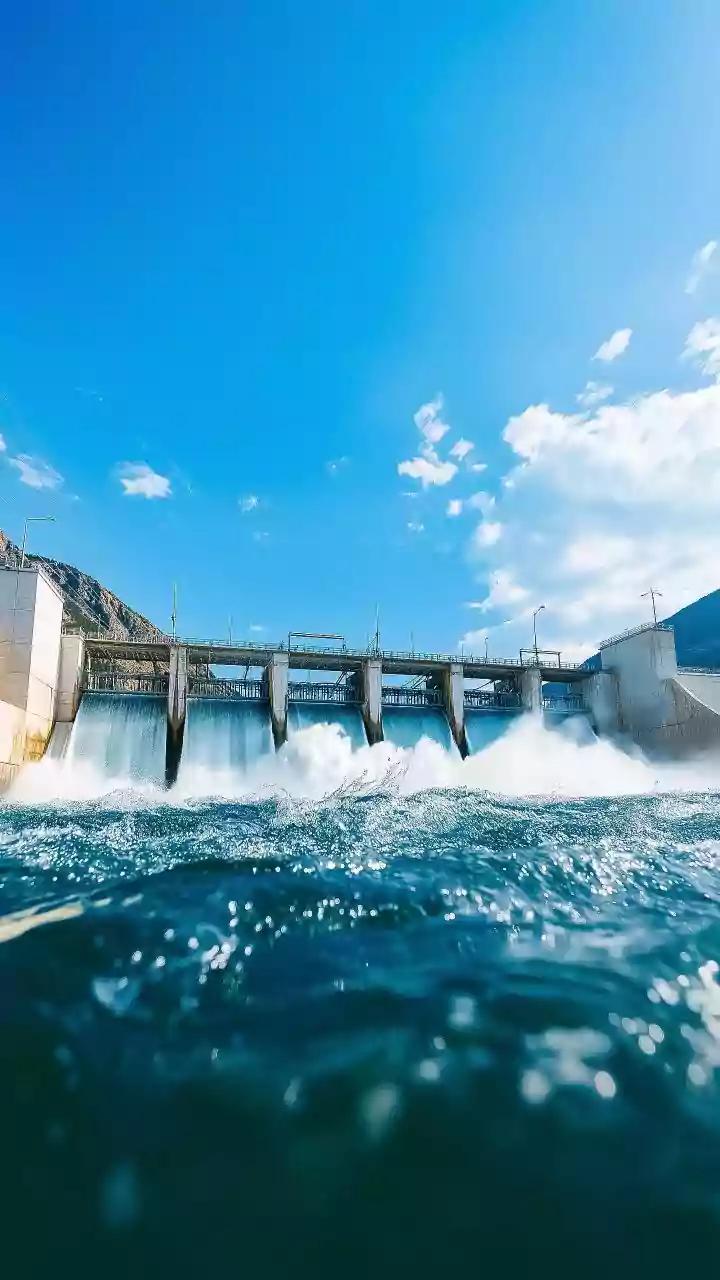
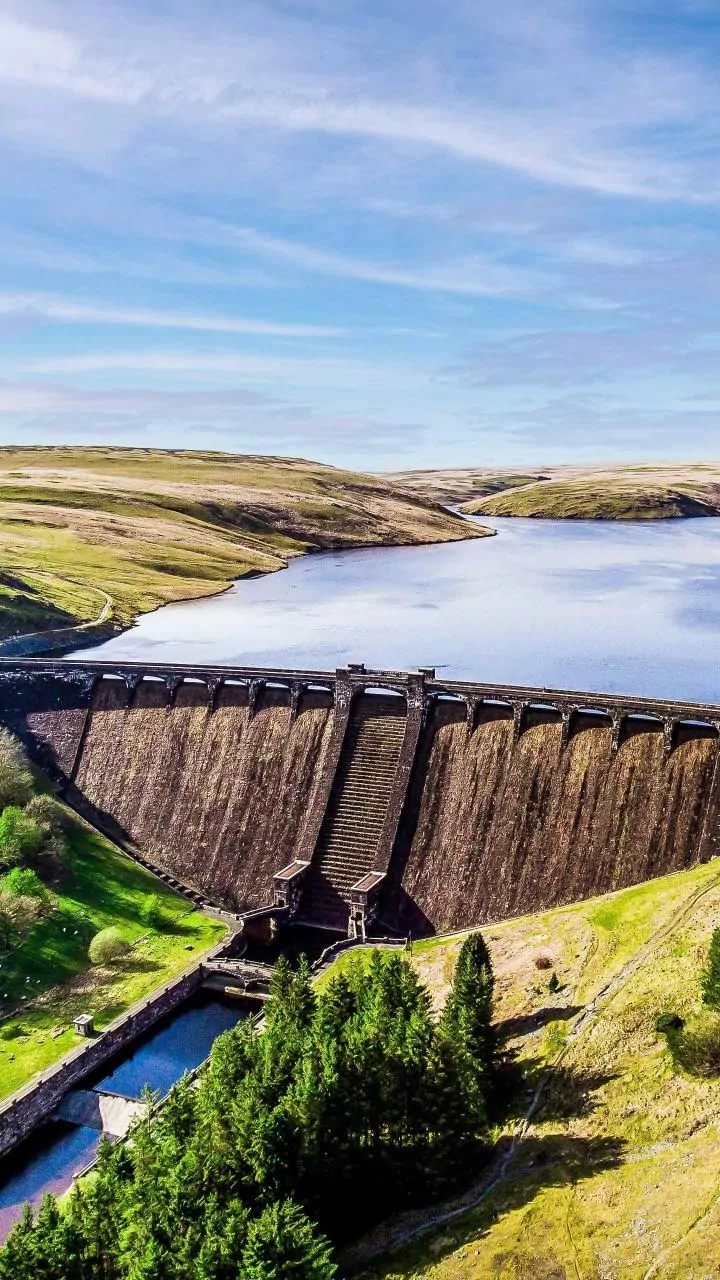
For years, water security experts have been puzzled by Iran's extensive construction of dams, with at least 533 documented across the country. Many of these massive projects seemed to lack clear economic or agricultural justification in the regions where
they were built. Recently, however, a potential military dimension has come into focus. Analysts comparing maps of recent US and Israeli airstrikes on suspected Iranian missile sites noticed a striking overlap with the locations of this water infrastructure. This has led to a compelling, though not yet definitively proven, hypothesis: that some of these dams and water transfer projects may have been developed, at least in part, to support Iran's network of underground missile facilities.
The Logic of 'Missile Cities'
Iran's military, particularly the Islamic Revolutionary Guard Corps (IRGC), has long boasted of its 'missile cities'—vast, fortified underground complexes used for manufacturing, storing, and launching ballistic missiles and drones. These sites are designed to provide a second-strike capability, ensuring Iran can retaliate even if its above-ground military assets are destroyed. However, such sprawling underground bases require immense and reliable sources of water and electricity to remain operational, especially during a conflict when the national grid might be compromised. Siting these bases near dams, which provide both, would be a logical strategic move to ensure what military analysts call 'operational continuity'. According to experts, this would give Tehran's most crucial military assets an an independent lifeline, insulating them from attacks on the country's broader infrastructure.
A High-Stakes 'Human Shield' Strategy
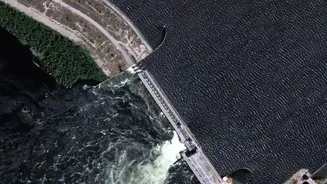
The implications of co-locating high-value military targets with critical civilian infrastructure are profound and deeply worrying to international observers. Placing a missile base near a dam creates a terrifying dilemma for any potential adversary. A dam is not just a source of water and power for millions; its destruction could unleash a catastrophic flood, causing immense loss of life and environmental disaster. This effectively turns the civilian population and the surrounding environment into a 'human shield' for the missile base. Any nation considering a strike must now weigh the military benefit of disabling a missile facility against the devastating and unpredictable humanitarian consequences of a mistake or an intentional attack on the dam itself. This significantly raises the threshold for military action and is viewed by some as a reckless escalation.
International Reaction and Iranian Response
The revelations have been met with sharp responses. Iranian officials have reacted angrily to the suggestion their civilian infrastructure is being framed as 'dual-use' and therefore a legitimate military target. Parliament Speaker Mohammad Bagher Ghalibaf warned that Iran could apply the same logic to any dam or power plant located near US or Israeli bases in the region. This escalatory rhetoric highlights the dangerous ambiguity created by the strategy. While some experts caution that the link between the dams and missile bases is still a hypothesis, the pattern is strong enough to trigger serious concern. Others argue that both dams and military bunkers are often built in remote, mountainous areas for geographic reasons, and the overlap may be coincidental. Regardless, the discussion itself has introduced a new and volatile element into an already tense regional conflict.