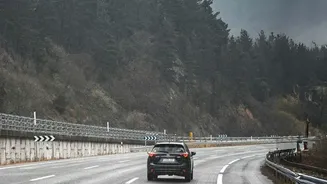









Tyres: Your Only Grip on Reality
Your tyres are the single most critical safety feature on wet, winding hill roads. Worn-out tyres are a leading cause of skids and hydroplaning, where a layer of water builds between the rubber and the road, causing a complete loss of control. Before
you leave, inspect the tread depth; insufficient tread can't channel water away effectively. Also, check the tyre pressure, including the spare, as incorrect pressure affects handling and braking. For hill drives, good alignment is crucial; if your car pulls to one side, get it checked, as bad alignment worsens tyre wear and can strain your suspension on potholed roads.
Brakes: Your Ultimate Safety Net
Braking systems that feel adequate in dry weather can become unreliable in the rain, with stopping distances increasing significantly. Have your brake pads, discs, and brake fluid inspected by a professional. Old brake fluid can absorb moisture, reducing its effectiveness precisely when you need it most. If you notice any unusual noises, vibrations, or a spongy feeling in the pedal, get it addressed immediately. After driving through a puddle or waterlogged patch, it's a good practice to gently tap the brakes for a few seconds to help dry the components and restore their performance.
Visibility: See and Be Seen
In a downpour or thick fog, visibility is your best friend. Indian summers can harden and crack wiper blades, causing them to streak or skip across the glass. Replace them if they don't clear the windshield effectively. Top up your windshield washer fluid, perhaps with a special cleaning solution, as plain water may not cut through the road grime splashed onto your screen. Applying a rain-repellent treatment to the windshield can also be a game-changer, causing water to bead and roll off, improving clarity. Finally, do a walk-around check of all your lights: headlights, tail lights, fog lamps, and indicators. You need to see the road, and other drivers need to see you.
Battery and Electrics: The Heartbeat of Your Car
The monsoon puts extra strain on your car’s battery due to the increased use of wipers, headlights, and the defogger. Moisture can also cause corrosion on battery terminals and lead to short circuits in exposed wiring. Before your trip, get your battery tested, especially if it is more than three years old. Clean any corrosion from the terminals and ensure all connections are secure. It’s also wise to check that all fuses are in working order and maybe even carry some spares, just in case.
The Interior: Keep It Dry and Odour-Free
A damp car interior is not just unpleasant; it can lead to mould, foul odours, and even affect the electronics. Swap out your fabric floor mats for rubber or all-weather ones, which are easy to clean and won't trap moisture. Check the drainage channels around your windshield and doors for blockages from leaves and debris, as clogged channels can cause water to leak into the cabin. Using the air conditioner can help dehumidify the air inside and prevent the windows from fogging up. A microfibre cloth kept handy is also great for quickly wiping down a foggy windshield or damp surfaces.
The Monsoon Emergency Kit: Your Roadside Companion
Even with perfect preparation, things can go wrong. A well-stocked emergency kit is non-negotiable for a monsoon hill journey. Your kit should include a first-aid box, a powerful flashlight with extra batteries, a tow rope, and jumper cables. Also pack a puncture repair kit and a portable tyre inflator, as finding help in a remote, rainy area can be difficult. Given the potential for long delays due to landslides or traffic, carrying drinking water, non-perishable snacks, and a power bank for your phone is a smart move. A reflective warning triangle is essential to ensure your vehicle is visible if you break down.