


The Green Takeover
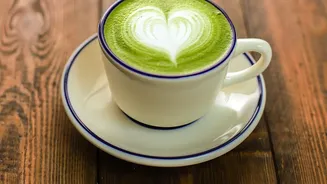
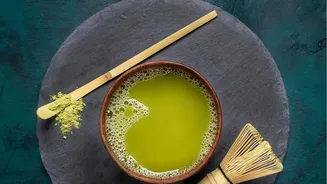
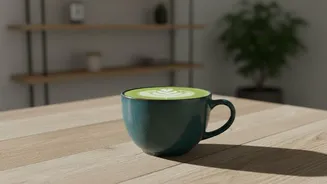
Walk into a cafe in Indiranagar or Koramangala, and you're just as likely to see a vibrant green matcha latte as you are a traditional cappuccino. Once a niche item found only in specialty Japanese tea houses, matcha has firmly entered Bengaluru’s mainstream
cafe culture. This isn’t just a fleeting trend; it’s a strategic business move. Cafes across the city, from dedicated micro-bars like Sakura Matcha Bar to popular chains and bakeries, are investing in high-quality, ceremonial-grade matcha and building entire menus around it. The Indian matcha market is growing at nearly double the pace of the traditional tea market, driven by urban millennials and Gen Z.
More Than Just a Pretty Drink
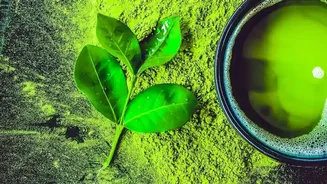
So, why the sudden obsession? The reasons are a blend of health, aesthetics, and global exposure. Today's consumers, especially in metropolitan hubs like Bengaluru, are increasingly health-conscious. Matcha is celebrated as a superfood, packed with antioxidants like EGCG, which are known to boost metabolism, improve focus, and lower stress. It offers a 'calm-alert' state thanks to L-theanine, providing sustained energy without the jitters associated with coffee. This aligns perfectly with the growing demand for 'functional beverages'—drinks that offer tangible health benefits. Of course, its visual appeal doesn't hurt; the bright green hue is incredibly Instagrammable, making it a social media star.
The Business of Zen
For Bengaluru's cafe owners, embracing matcha is a calculated risk that seems to be paying off. It allows them to cater to a new generation of consumers who are well-travelled, globally aware, and willing to experiment with flavours beyond the familiar. The city’s cafe culture is evolving beyond its third-wave coffee roots, with a new focus on experience and storytelling. Offering matcha is a way to signal that a cafe is modern, health-aware, and in tune with global trends. While real ceremonial-grade matcha is expensive due to its labour-intensive production and import costs, cafes are betting that consumers are willing to pay a premium for a high-quality, healthy, and unique beverage experience.
Beyond the Classic Latte
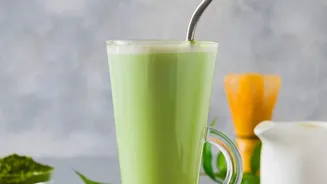
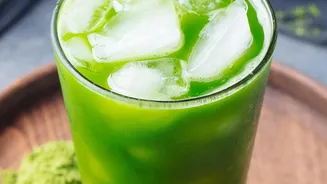
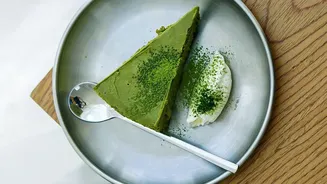
The innovation isn't just in adding matcha to the menu; it's in how it's being presented. While the classic hot and iced matcha lattes are staples, Bengaluru's cafes are getting creative. You can find everything from a Strawberry Matcha Latte and Dirty Matcha (with a shot of espresso) at Sakura Matcha Bar to a Matcha Aam Panna at Maverick & Farmer. Others are experimenting with dessert infusions, such as the Matcha French toast at Nasi and Mee or the matcha bingsu (shaved ice dessert) at Homiga. These inventive combinations showcase the versatility of matcha and its ability to blend with both global and local Indian flavours.
A Trend With Staying Power
While food trends can be fickle, the consensus is that matcha is here to stay. Its rise is not just about a single ingredient but reflects a larger shift in consumer behaviour towards wellness, mindfulness, and global culinary exploration. In a city known for its dynamic and forward-thinking population, the demand for beverages that are both healthy and interesting is only set to grow. Matcha, with its ancient roots in Japanese ceremony and its modern identity as a wellness icon, fits perfectly into the evolving lifestyle of urban India. It doesn't seek to replace the beloved filter coffee but sits alongside it, offering a different kind of ritual for a different kind of moment.