






The Undisputed Reign of Iced Coffee
For years, iced coffee has been the undisputed champion of cold beverages in urban India. Its appeal is multi-layered. It offers a potent caffeine kick, a ritual of refreshment, and a symbol of the fast-paced, modern lifestyle. Driven by Gen Z and millennial
consumers, the demand for cold coffee has exploded, turning it from a summer treat into a year-round necessity. Major brands and local cafes have responded, with everything from classic cold brews to experimental concoctions like cranberry or Valencia orange-infused coffees appearing on menus. This beverage is more than a drink; it's a cultural staple, associated with productivity, socialising, and the daily hustle. Its dominance is built on a simple promise: instant energy and familiar comfort.
Enter the Green Challenger: The Moringa Latte
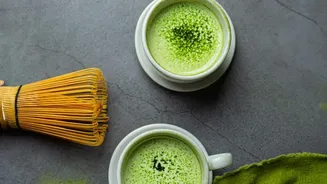
Quietly, a new category of beverage has been gaining ground, born from a growing wellness-conscious mindset. At the forefront is the moringa latte. Moringa, a plant native to India, has been used in traditional medicine for centuries and is often called the “miracle tree”. Its powdered leaves are now being whisked into lattes, offering a vibrant, photogenic, and caffeine-free alternative to coffee. Unlike matcha, which also offers a green hue but contains caffeine, moringa provides a sense of vitality without stimulating the nervous system. This makes it an appealing choice for those looking to reduce their caffeine intake or find a calming evening ritual.
A Tale of Two Tastes
The sensory experiences of these two drinks could not be more different. Iced coffee delivers a bold, often bitter, and acidic punch, mellowed by milk and sugar into a familiar, satisfying taste. It’s a flavour profile built for immediate impact. The moringa latte, on the other hand, offers a more subtle and complex experience. Its flavour is often described as earthy, grassy, and slightly bitter, similar to spinach or green tea. When prepared in a latte, the milk fat rounds off these earthy notes, and sweeteners like honey or jaggery, along with spices like cardamom, can create a smooth, comforting, and uniquely gentle beverage.
The Nutritional Divide: Jitters vs. Nourishment
This is where the challenge truly lies. Coffee's primary weapon is caffeine, which provides a quick spike in alertness but can also lead to jitters, anxiety, and the dreaded afternoon crash. While coffee does contain antioxidants, the moringa latte positions itself as a nutrient-dense powerhouse. Moringa leaves are packed with vitamins A and C, calcium, potassium, iron, and plant protein. Proponents claim it offers a sustained, steady energy boost fueled by nutrition rather than stimulation. Instead of a quick high and low, the energy from moringa is described as more stable and gentle, supporting the body without the over-stimulation associated with caffeine.
A Lifestyle in a Cup
Ultimately, the choice between an iced coffee and a moringa latte often reflects a broader lifestyle decision. Iced coffee is intertwined with the culture of 'hustle'— a tool for productivity and powering through a busy day. It’s about doing more, faster. The green superfood latte, however, is a product of the wellness and self-care movement. It represents a more mindful approach to consumption, where the primary goal isn't just energy, but holistic nourishment and balance. Choosing a moringa latte can be a small act of prioritising long-term health over a short-term fix, aligning with a lifestyle that values clean ingredients and gentle support for the body.