



Engage Their Nose with Scent Work
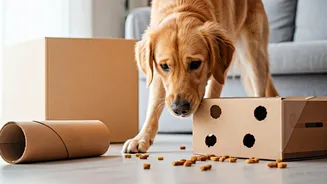
A dog's sense of smell is thousands of times more powerful than ours, and using it is incredibly stimulating and tiring for them. You don't need special equipment to start. Begin by having your dog sit and stay in one room. Let them watch you place a high-value
treat (like a small piece of paneer or chicken) in an obvious spot in another room. Release them with a cue like "Find it!" and praise them enthusiastically when they do. As they get better, you can start hiding treats in less obvious places: under a rug, behind a cushion, or inside a cardboard box. This simple game, often called "nose work," engages their natural instincts and provides a fantastic mental workout that can be more exhausting than a short walk.
Invest in Puzzle Toys and Feeders
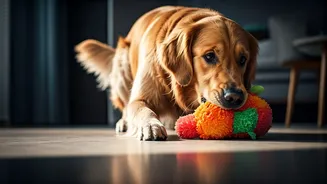
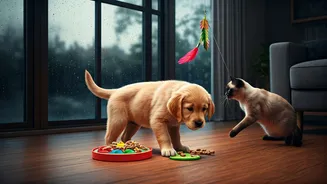
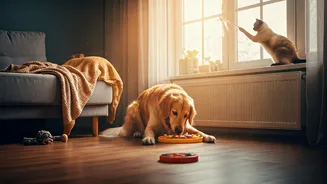
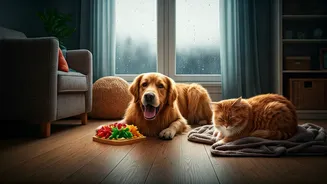
Instead of serving your dog's meal in a bowl, make them work for it. Slow feeders and puzzle toys are designed to do just that. These toys require your dog to sniff, nudge, paw, and problem-solve to get their food. This not only slows down fast eaters, which is better for their digestion, but it also turns mealtime into a 15-20 minute brain game. You can find a wide variety of these toys online, from beginner-level balls that dispense kibble as they roll, to advanced multi-step puzzles. For a DIY option, place some kibble in the cups of a muffin tin and cover each cup with a tennis ball. Your dog will have to figure out how to remove the balls to get to their food.
Hold Short, Fun Training Sessions
Mental exercise is just as important as physical. A 15-minute training session can tire a dog out more than a 30-minute run. Use this indoor time to brush up on basic commands like 'sit', 'stay', and 'come'. You can also teach them fun new tricks. Have you ever taught your dog to 'shake hands', 'roll over', or 'play dead'? YouTube has thousands of free tutorials. Keep sessions short, positive, and rewarding. Using positive reinforcement with treats and praise will make it a fun bonding experience for both of you and strengthen your communication. This is also a great way to manage a dog with high energy, as it teaches them focus and impulse control.
Play Classic Indoor Games
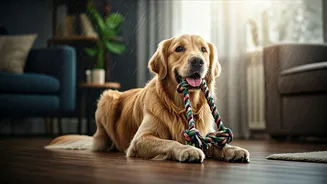
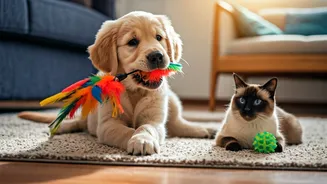
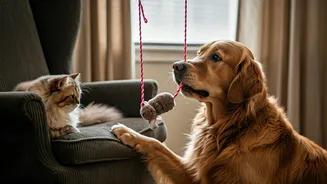
Simple games can be a great way to burn off energy. A game of hide-and-seek is a classic for a reason. Have one person hold your dog while another hides. Call your dog's name and reward them with praise and a treat when they find you. This reinforces their recall command and engages their senses. Another great option is a gentle game of tug-of-war. Contrary to old myths, playing tug does not make a dog aggressive. It's a healthy way to expend energy and practice rules, such as the 'drop it' command. Just ensure the game is controlled and your dog knows when to let go.
Build a DIY Obstacle Course
You don't need professional agility equipment to create a fun challenge for your dog. Use household items to build a simple obstacle course. Line up dining chairs for them to weave through, place a blanket over two chairs to create a tunnel, or lay a broomstick across two stacks of books for a low jump. Guide your dog through the course with treats and encouragement. This not only provides physical exercise but also builds their confidence as they learn to navigate new and unusual objects in their environment. Always supervise them closely to ensure the setup is safe and nothing can fall on them.
Encourage Calm with Chewing and Licking
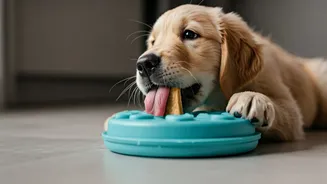
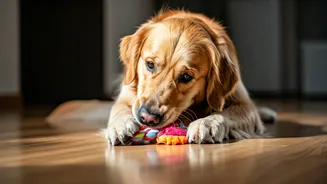
After a session of high-energy play, it's important to help your dog settle down. Chewing and licking are natural, self-soothing behaviours for dogs. Provide a safe chew toy or a long-lasting dental stick. Lick mats are another fantastic tool for promoting calm. Smear some plain yoghurt, mashed banana, or peanut butter (ensure it is xylitol-free) onto the textured surface. The repetitive act of licking releases endorphins, helping to calm and relax your dog. This is a perfect activity for winding down in the evening or during a particularly noisy thunderstorm when they might be feeling anxious.