





From Feasting to Feeling Good
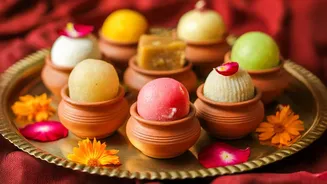
Indian festivals are a sensory overload in the best way possible. They are about vibrant colours, family gatherings, and, most importantly, food. Platters of laddoos, mountains of biryani, and an endless supply of fried delicacies are central to the joy
of celebration. Traditionally, festive eating was about abundance and generosity, where refusing a second helping was almost unheard of. This all-or-nothing approach often involved days of feasting followed by feelings of guilt or discomfort. However, a cultural shift is underway. An increasing number of Indians are moving away from the cycle of extreme indulgence and subsequent restrictive dieting. Instead, they are embracing a more balanced and sustainable approach: portion control. This new mindset isn't about giving up beloved festival foods but about enjoying them more consciously.
The Rise of Mindful Indulgence
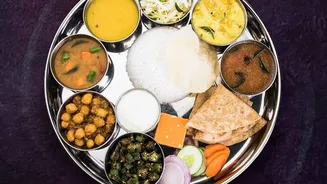
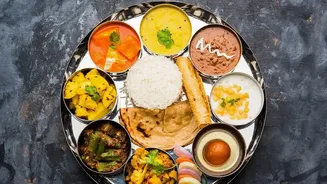
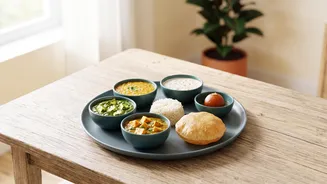
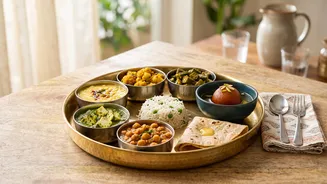
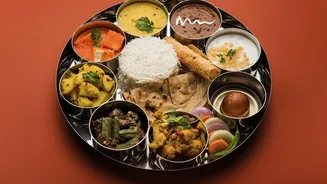
So, what is driving this change? A major factor is a growing awareness of health and wellness. With lifestyle-related health issues on the rise in India, many are becoming more conscious of their dietary habits, even during festivals. The conversation, led by nutritionists and health experts, has shifted from complete avoidance of festive foods to mindful consumption. The message is no longer “don’t eat the gulab jamun,” but rather, “savour one, and truly enjoy it.” This approach helps prevent feelings of deprivation, which can often lead to overeating later. Experts suggest simple strategies like using smaller plates, filling half the plate with salads or vegetables, and dedicating smaller quarters to proteins and carbohydrates. This “plate method” ensures a balanced intake of nutrients while still leaving room for treats.
It’s Not Restriction, It’s Strategy
Adopting smaller servings is a strategic choice, not a punishment. Nutritionists advise planning ahead, especially when attending multiple gatherings. Simple tips include having a small, healthy snack before heading out to prevent arriving ravenously hungry, and staying well-hydrated, as thirst is often mistaken for hunger. Another popular strategy is the “one-sweet rule,” which involves choosing your absolute favourite mithai from the dozens on offer and relishing it slowly. This focuses on the quality of the experience rather than the quantity consumed. Even the way dishes are prepared is changing. Many families now opt for baking or air-frying snacks instead of deep-frying and using natural sweeteners like jaggery or dates in their desserts. These small swaps significantly reduce the calorie load without sacrificing flavour.
A Modern Take on Tradition
This evolving approach to festive food does not signal a departure from tradition. Rather, it is a reinterpretation of it for modern times. Food remains at the heart of Indian celebrations, a symbol of love, community, and joy. The shift towards moderation ensures that these celebrations can be enjoyed without compromising long-term health. It allows people to participate fully in the festivities without the accompanying anxiety or guilt about their food choices. By focusing on portion control, individuals can enjoy a little bit of everything—from the rich curries to the decadent desserts—and end the festive season feeling good both mentally and physically. This balanced mindset acknowledges that occasional indulgence is a normal part of life, especially during celebrations.