





Your Daily Dose of Green Therapy
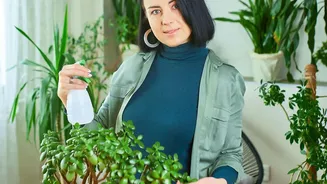
You don’t need a sprawling garden to reap the mental health benefits of horticulture. The simple act of caring for a plant—watering it, checking its leaves, and watching it grow—is a powerful form of mindfulness. This gentle routine can lower stress,
reduce anxiety, and provide a calming anchor in your day. Studies have shown that even brief interactions with indoor plants can help people feel more relaxed and focused. The process creates a sense of purpose and accomplishment as you nurture something and watch it thrive under your care. It's a quiet, daily ritual that grounds you in the present moment, away from digital screens and daily pressures.
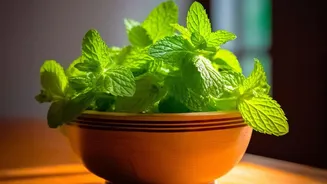
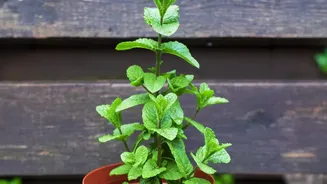
Mint: The Refreshing Energiser
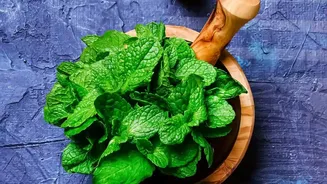
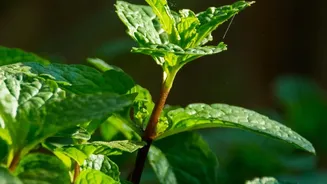
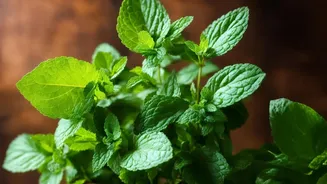
Mint is famously easy to grow and wonderfully rewarding. Its vigorous nature makes it a perfect starting point for beginner gardeners. A single stem cutting placed in water can sprout roots in about a week, ready to be potted. The true therapy of mint, however, lies in its scent. The crisp, clean aroma of menthol is known to enhance cognitive function, improve focus, and boost alertness. Simply brushing against the leaves releases this invigorating fragrance. Harvesting a few leaves for a cup of tea or to garnish a cool drink becomes a multi-sensory experience. Mint is not just a plant; it's a living air freshener and a source of instant refreshment that asks for little more than a sunny spot and moist soil.
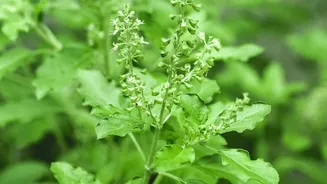
Tulsi: The Sacred Stress-Reliever
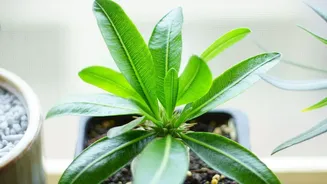
Tulsi, or Holy Basil, holds a revered place in Indian households and Ayurvedic tradition for good reason. It is considered an adaptogen, a natural substance that helps the body adapt to stress and promotes mental balance. Having a Tulsi plant on your windowsill is like having a living wellness toolkit. Its complex, slightly spicy aroma is known to calm the nervous system and promote a sense of clarity. Tending to Tulsi connects you to a tradition thousands of years old, focused on holistic well-being. This sacred herb thrives indoors with at least four to six hours of sunlight, making it a manageable and meaningful addition to any home. Its presence is both spiritually significant and practically beneficial, offering leaves for calming herbal teas that support immunity and respiratory health.
Coriander: The Joy of a Fresh Harvest
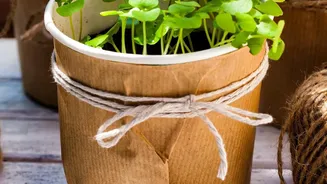
Growing coriander, known as cilantro in its leafy form, brings the joy of the kitchen garden directly to your windowsill. The satisfaction of snipping fresh, aromatic leaves to stir into a curry, sprinkle over dal, or blend into a chutney is immense. This herb connects your gardening routine directly to your culinary creations. While it can be slightly more delicate than mint, growing coriander from seed is a straightforward process. Soaking the seeds overnight can improve germination, and within weeks, you'll have tender seedlings. Beyond its vibrant, citrusy flavour, coriander has been traditionally used to support digestion and detoxification. Each harvest, no matter how small, is a reminder of the simple, profound pleasure of growing your own food.
Creating Your Simple Windowsill Routine
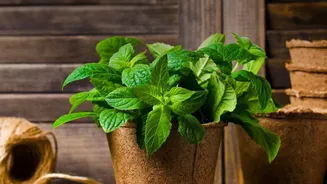
Starting your therapeutic garden is simpler than you think. First, select pots that are at least 6-8 inches wide and have drainage holes. Terracotta pots are excellent as they allow soil to breathe. Use a good-quality potting mix, perhaps blended with a little compost. Place your pots on a windowsill that receives at least four to six hours of sunlight; a south-facing window is often ideal. The routine is simple: check the soil every other day. If the top inch feels dry, it’s time to water. Water thoroughly until it drains from the bottom, but don't let the pots sit in a saucer of water. Rotate the pots weekly for even growth. This small, consistent act of care is the foundation of your new therapeutic ritual.