


Why Add More Protein to Your Breakfast?
Starting your day with a protein-rich meal is one of the best things you can do for your body. Protein is essential for building and repairing tissues, but its morning benefits are particularly noteworthy. A high-protein breakfast helps increase satiety,
meaning you'll feel full and satisfied for longer, reducing the urge to snack on unhealthy options before lunch. This is partly because protein helps regulate blood sugar levels, preventing the sharp spikes and crashes associated with carbohydrate-heavy meals. This sustained energy release keeps you focused and productive throughout the morning. For those who are active, a protein boost helps with muscle repair and growth. While traditional dosa batter, made from rice and urad dal, contains some protein, enriching it with seeds is an effortless way to significantly increase its nutritional value without compromising on the taste you love.
Your Protein Powerhouse: The Best Seeds to Use
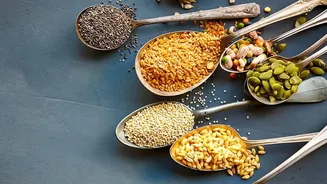
Not all seeds are created equal when it comes to protein. For a noticeable boost in your dosa batter, focus on these nutritional giants: Pumpkin Seeds: These are a fantastic source of plant-based protein, offering a substantial 24 to 30 grams of protein per 100 grams. They are also packed with valuable minerals like magnesium, iron, and zinc. When ground, they have a mild, nutty flavour that blends seamlessly into dosa batter. Flax Seeds: Celebrated for their high content of omega-3 fatty acids and fibre, flax seeds are also a good source of protein, with about 1.3 grams per tablespoon. Adding milled flax seeds not only increases protein but also contributes to a healthier heart and better digestion. They have a slightly nutty taste that complements the fermented flavour of dosa. Chia Seeds: These tiny seeds are a complete protein, containing all nine essential amino acids. They are incredibly absorbent and rich in fibre, protein, and omega-3s. A tablespoon contains around three grams of protein. Their ability to form a gel can help create a slightly softer dosa, which many enjoy. Sunflower Seeds: A common and affordable option, sunflower seeds provide healthy unsaturated fats, vitamin E, and a decent amount of protein—around two grams per tablespoon. They have a mild flavour that won't overpower the dosa.
How to Prepare Your Seed Powder
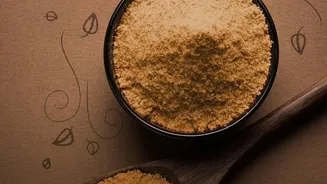
Creating your own protein powder is simpler than you might think and ensures there are no preservatives or hidden sugars. You can use a single type of seed or create a custom blend of your favourites. The process is straightforward: gently dry roast the seeds on a low flame for two to three minutes until they are lightly fragrant. This step is optional but enhances the nutty flavour and makes them easier to grind. Allow the seeds to cool completely to prevent them from turning into butter when you grind them. Once cool, place the seeds in a high-speed blender or a spice/coffee grinder. Grind in short bursts, checking frequently, until you achieve a fine powder. Harder seeds like pumpkin and sunflower may take 10-15 seconds, while softer seeds like chia and flax need only 5-10 seconds. It is best to grind each type of seed separately to ensure an even consistency before mixing them. Store your finished powder in an airtight glass jar in the refrigerator, where it will stay fresh for up to a month.
The Perfect Mix: Adding Powder to Batter
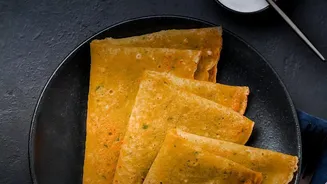
Now for the easy part: incorporating your nutrient-dense powder into the dosa batter. The best practice is to add the seed powder just before you intend to make the dosas, rather than mixing it into the entire batch of fermented batter. This helps maintain the batter's original texture for longer storage. A good starting ratio is to mix one to two tablespoons of seed powder for every cup of dosa batter. Stir it in thoroughly until there are no lumps. You might notice the batter thickens slightly, especially if using chia or flax seeds, as they absorb liquid. If the batter becomes too thick to spread easily, simply add a spoonful or two of water until you reach your desired consistency. When cooking, you may find that dosas with added seed powder brown a little faster, so keep a watchful eye on the heat. The result will be a dosa that is just as delicious but significantly more nourishing.