






The Philosophy of Control
Spain's entire approach under coach Luis de la Fuente is built on one core principle: control the ball, control the game. Against an opponent like Argentina, this philosophy becomes a defensive weapon. The primary goal isn't just to win possession for
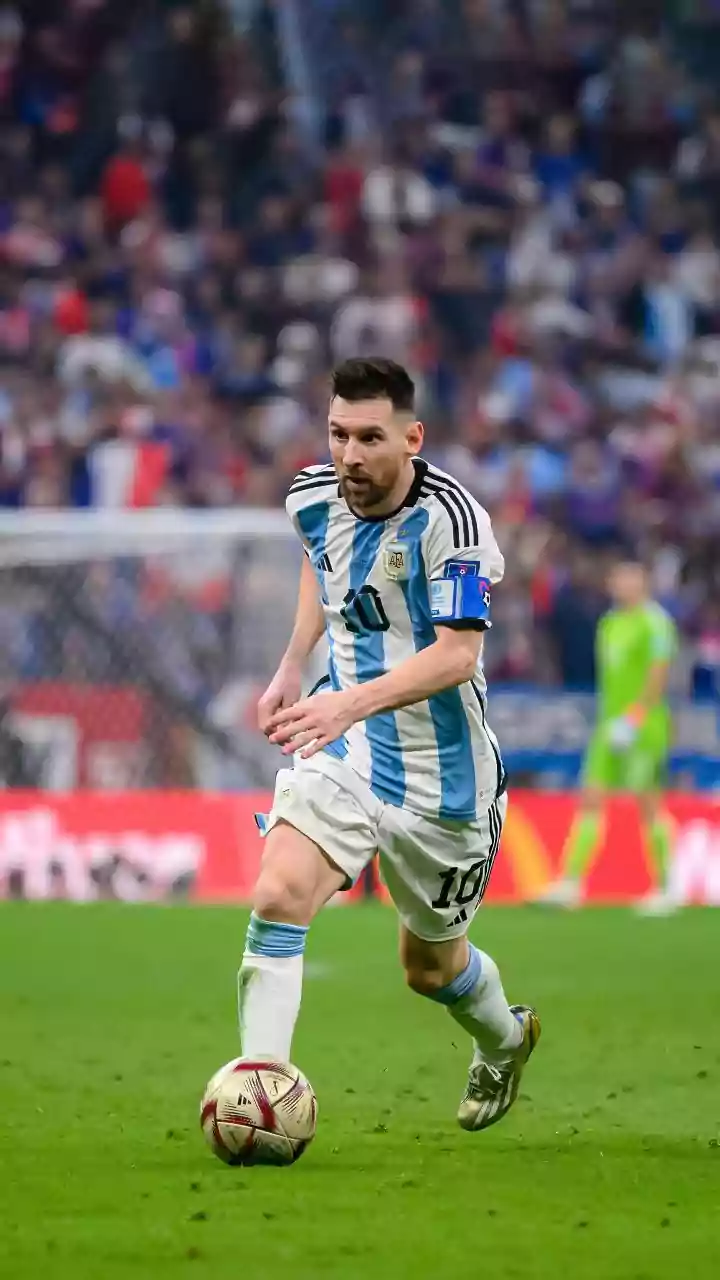
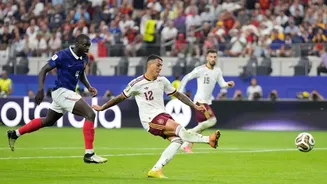
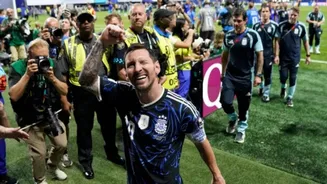
the sake of it, but to starve Lionel Messi of the ball. By maintaining long spells of possession and circulating the ball with precision, Spain aims to force Argentina into a physically draining chase. This methodical approach was seen in their semifinal victory over France, where they suffocated a high-powered attack by simply keeping the ball away from them. The longer Spain can dictate the tempo, the fewer opportunities Messi has to create the moments of magic he is famous for.
A Fortress in Midfield
The first line of the 'Anti-Messi' plan is Spain's world-class midfield. Anchored by Rodri, arguably the best defensive midfielder on the planet, this unit is the engine room for both attack and defence. His job, alongside partners like Fabián Ruiz or Mikel Merino, will be to create a cage in the centre of the pitch. They will press relentlessly to cut the passing lanes from Argentina's midfielders, like Enzo Fernández and Alexis Mac Allister, into Messi's feet. Rodri’s ability to win duels, intercept passes, and shield the backline is fundamental to the entire system. By dominating this central zone, Spain can disrupt Argentina's rhythm and isolate their captain, forcing him to drop deeper into less dangerous areas to get involved.
The Defensive Wall
Spain’s defensive record in this tournament has been nothing short of historic, conceding only one goal on their way to the final. This isn't by accident. De la Fuente has built a disciplined, cohesive unit that functions as a collective. Rather than assigning one player to man-mark Messi—a tactic that has often failed—Spain is expected to use a zonal system. This means whoever is nearest to Messi will engage him, supported by a teammate to double up and close down space. Left-back Marc Cucurella has been a revelation, not being dribbled past a single time in the knockout stages while facing elite wingers. His duel with Messi, should the Argentine drift to that side, will be critical. The overall strategy is to create a constantly shifting cage, limiting his time and space on the ball without sacrificing their defensive shape elsewhere.
Embracing the 'Dark Arts'
Stopping a player of Messi's calibre isn't just about tactical purity; it also involves a degree of gamesmanship. Analysts expect Spain to be physical and employ strategic fouling. This doesn't mean reckless tackling, but rather calculated fouls in non-threatening areas of the pitch to break up Argentina's rhythm and prevent quick counter-attacks. Frustrating Messi can be as effective as dispossessing him. The constant, attritional pressure is designed to wear him down over the course of 90 minutes or more. With Argentina known for its late-game heroics, Spain understands the need to manage every phase of the game, including the mental and physical toll on their opponent's key player.
The High-Risk Gamble
The danger of any plan focused on stopping Messi is that it can create opportunities for others. Argentina is not a one-man team. Forwards like Julián Álvarez and Lautaro Martínez are lethal finishers who thrive on the space created by the attention Messi draws. If Spain commits too many players to containing their legendary number 10, they risk being exposed by a quick switch of play or a clever run from another attacker. This is the tightrope Spain must walk. De la Fuente's system has proven incredibly difficult to break down, but a World Cup final against the defending champions, who have shown a remarkable ability to find a way to win, represents the ultimate test of its resilience.