

India's Next Giant Leap
The Chandrayaan-4 mission represents a monumental step forward for India's space program. While previous missions studied the Moon remotely or on-site, this ambitious project aims to perform a lunar sample return. This means landing on the Moon, collecting
soil and potential water ice, and bringing it all the way back to Earth for detailed scientific study. If successful, India will join an elite club of nations—the United States, Russia, and China—that have accomplished this incredible feat. Approved by the Union Cabinet, the mission is a cornerstone of India's long-term space vision, which includes landing an Indian astronaut on the Moon by 2040.
A Mission in Five Parts
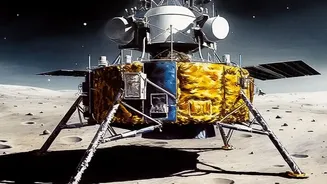
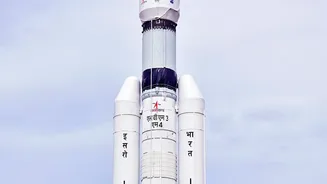
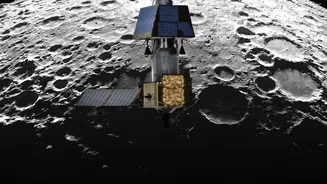
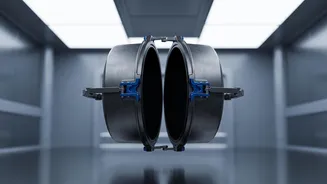
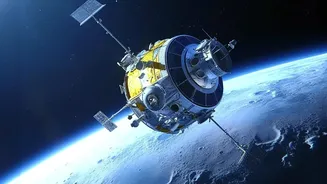
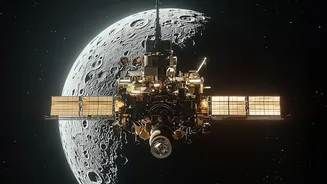
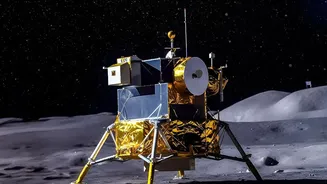
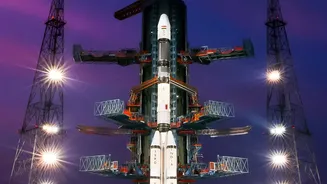
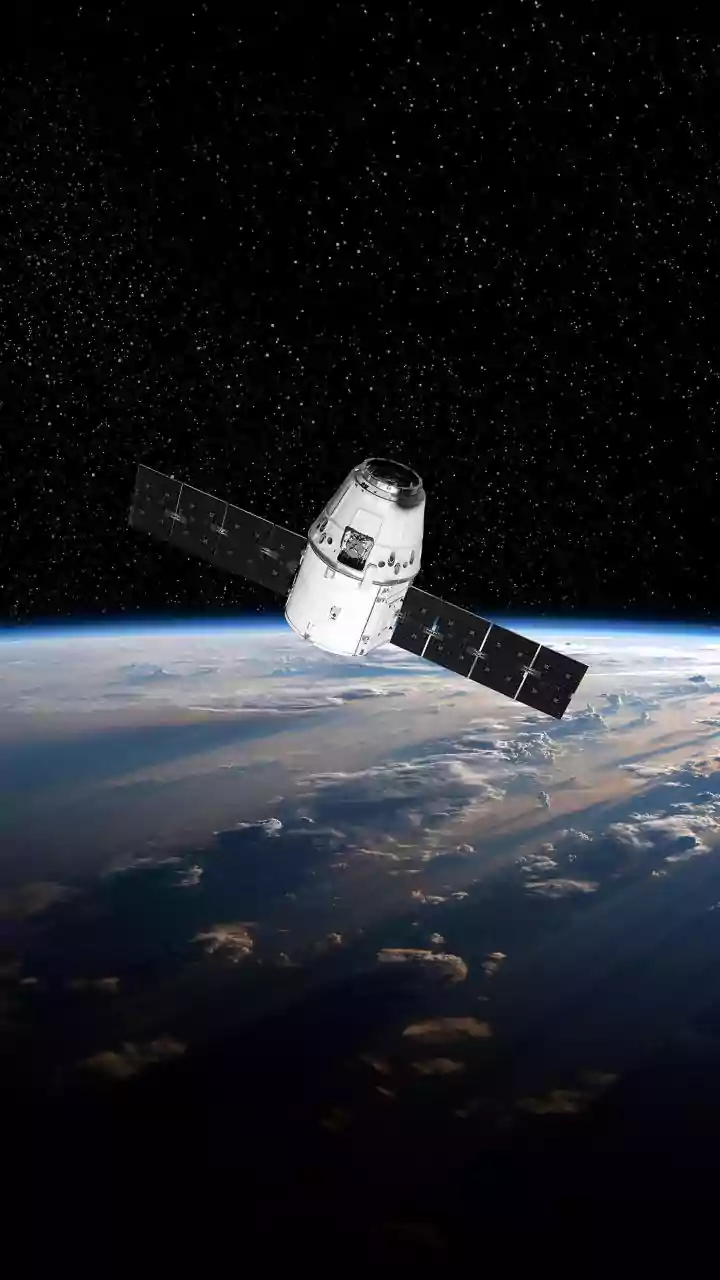
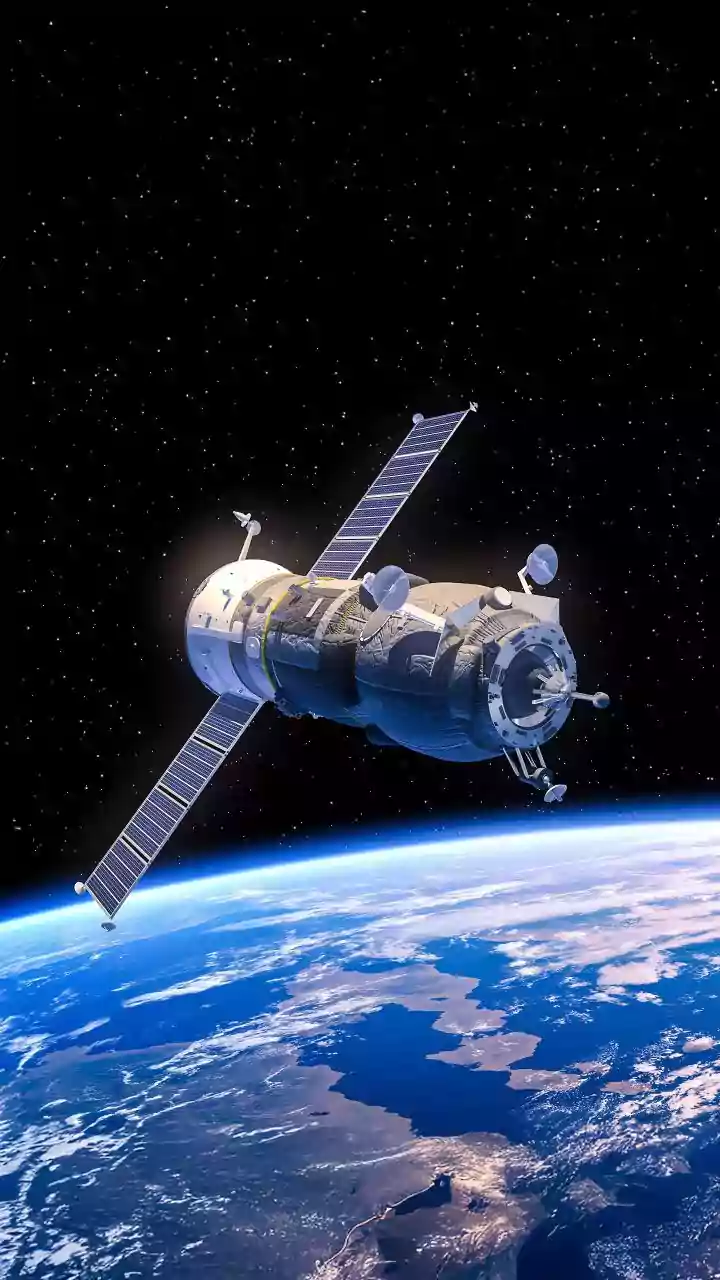
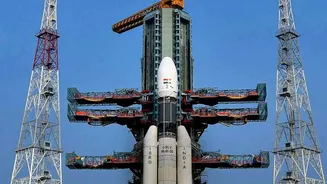
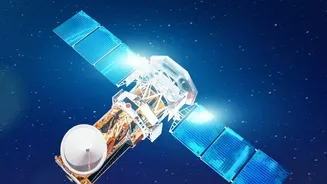
The complexity of bringing lunar samples home requires a sophisticated, multi-part spacecraft, a first for ISRO. The entire system is so heavy that it will need two separate launches using the powerful LVM3 rocket. The mission architecture consists of five distinct modules: a Propulsion Module to travel to the Moon, a Descender (or Lander) Module for the soft landing, an Ascender Module to lift off from the lunar surface, a Transfer Module to carry the samples in orbit, and a Re-entry Module to bring the precious cargo safely through Earth's atmosphere. These components will perform an intricate orbital dance, docking with each other in Earth's orbit before beginning their journey to the Moon.
Robotic Collection at the South Pole
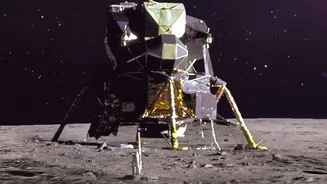
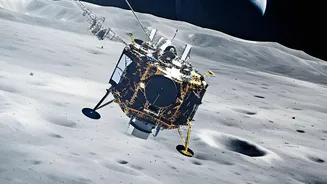
The mission will target the Moon's south pole, a region of immense scientific interest due to the potential presence of water ice in permanently shadowed craters. After the Descender Module makes a precise soft landing, the collection process will begin. A robotic arm mounted on the lander will scoop up to three kilograms of surface soil, also known as regolith. In addition, a drill will be used to collect sub-surface samples, which could contain the sought-after ice. These samples will be carefully transferred and sealed inside containers on the Ascender Module to protect them from contamination during the long journey home.
The Intricate Journey Home
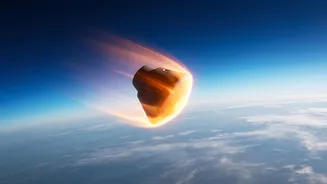
Once the samples are secured, the most nail-biting phases of the mission will unfold. The Ascender Module will launch from the Moon's surface, using the lander as a launchpad—a feat India has never attempted before. It will then autonomously rendezvous and dock with the Transfer Module waiting in lunar orbit. Here, the sample container will be moved to the Re-entry Module. The Transfer Module will then fire its engines to begin the trip back to Earth, eventually releasing the Re-entry Module for its final, fiery plunge. This capsule is designed to withstand the extreme heat of re-entry, protecting its invaluable lunar contents before landing back on Earth.