
What Are Millets, Anyway?
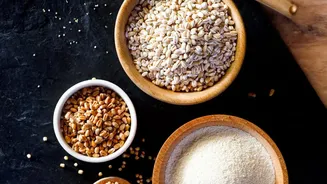
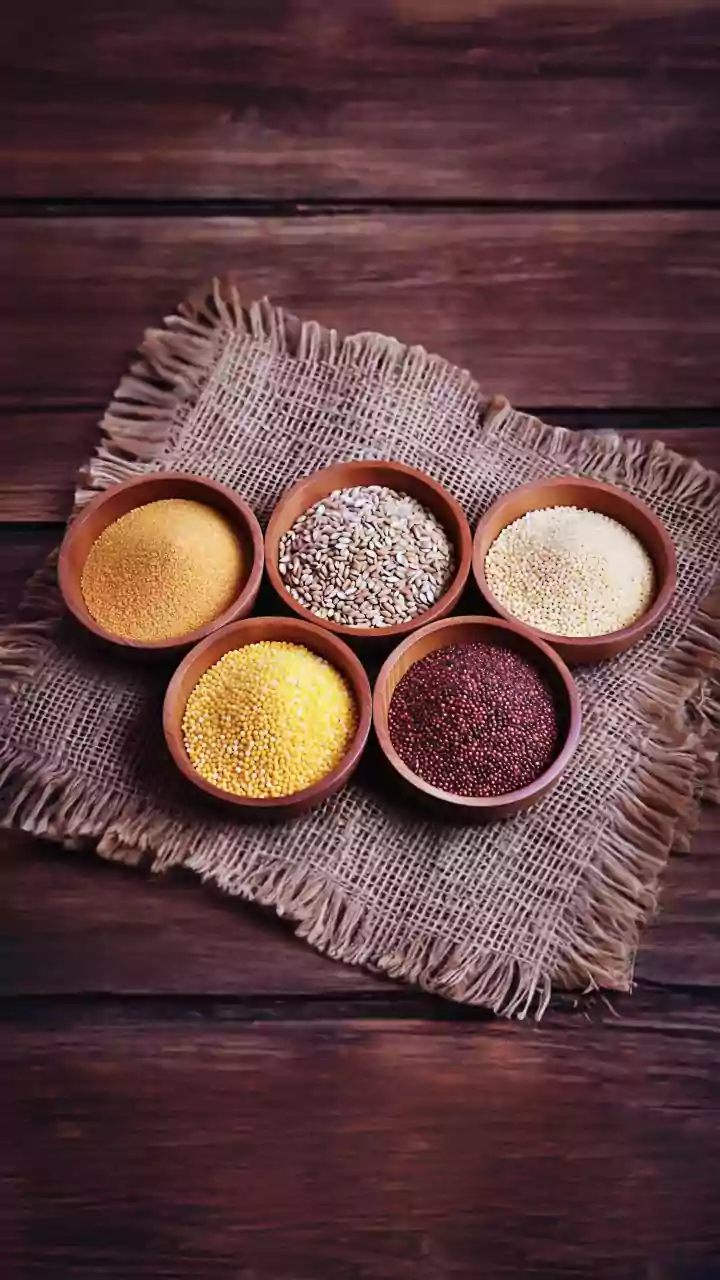
For thousands of years, grains like jowar, bajra, and ragi were the primary staples on the Indian plate, long before wheat and polished rice became dominant. 'Millet' isn't one single grain; it's a family of small-seeded grasses that are incredibly resilient,
able to grow in dry, tough conditions where other crops might fail. After the Green Revolution in the 1960s, which prioritized high-yield rice and wheat, these traditional grains were gradually sidelined, earning them the label 'forgotten foods'. Now, thanks to a renewed focus on nutrition, sustainability, and heritage, these powerhouse grains are making a well-deserved comeback into modern Indian kitchens.
Why Should You Make Room for Millets?
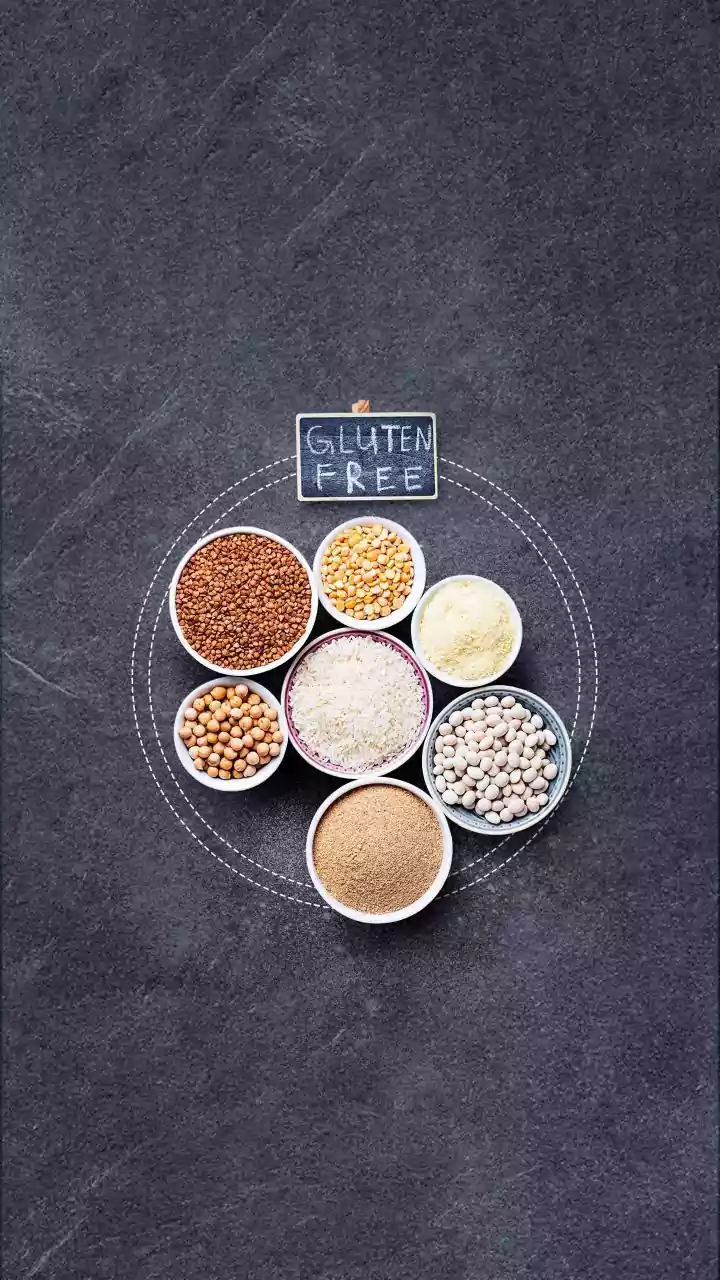
Beyond reconnecting with culinary roots, there are solid nutritional reasons to embrace millets. First, they are naturally gluten-free, making them an excellent choice for those with sensitivities. They are also packed with fibre, which aids digestion and keeps you feeling full for longer. Most millets have a lower glycemic index compared to refined grains, meaning they release sugar into the bloodstream more slowly, helping to manage energy levels and making them beneficial for diabetics. Each millet has a unique nutritional profile; for example, ragi is a fantastic source of calcium, while bajra is rich in iron. They are also considered more sustainable crops, requiring less water and fewer chemical inputs to grow.
Meet the Millets: Your Starting Trio
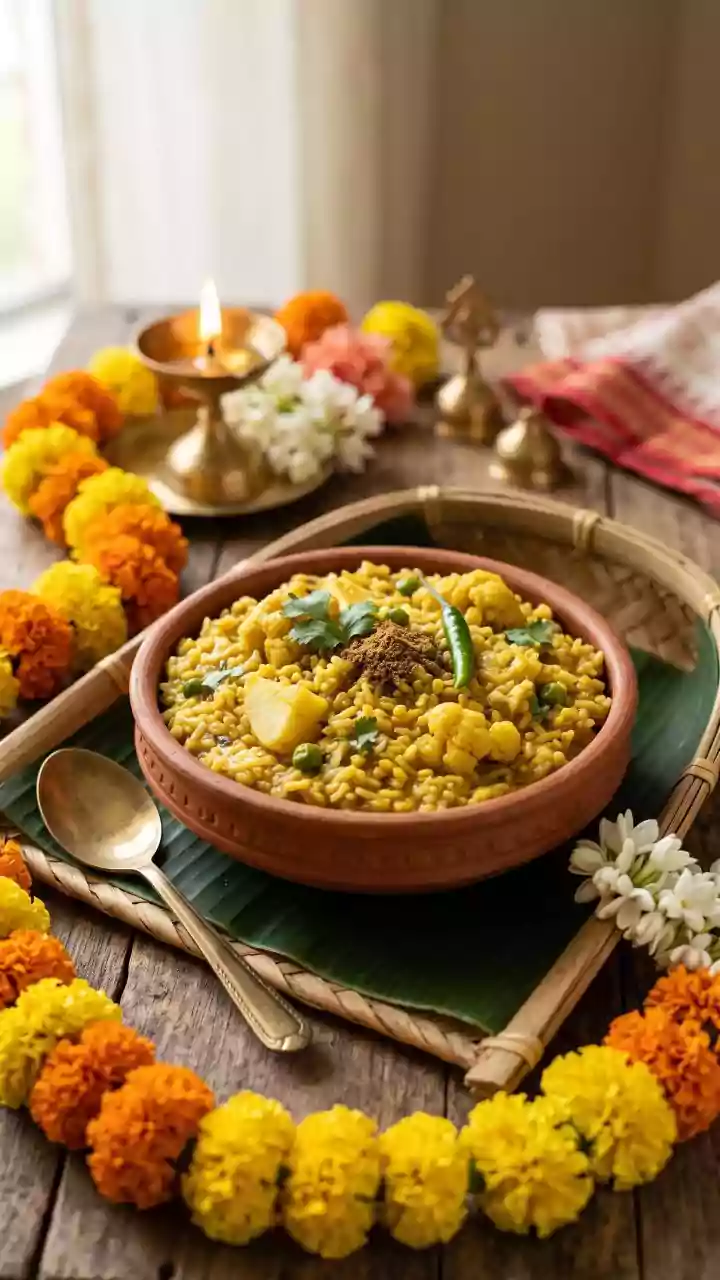
Diving into the world of millets can feel overwhelming with so many varieties. The best approach is to start with the most common and versatile ones. Think of them as straightforward swaps for ingredients you already use. Here are three to begin with: 1. Ragi (Finger Millet): Known as 'Nachni' in some parts of India, this tiny, reddish grain is a calcium powerhouse, great for bone health. Its flour has a mild, earthy flavour. It's famously used to make porridge for babies and nutritious rotis or dosas for adults. 2. Jowar (Sorghum): A neutral-tasting millet, Jowar is prized for being rich in protein and fibre. Its flour is most commonly used to make 'bhakri' or flatbreads, especially in western India. The whole grain, once soaked and boiled, can be used in salads or as a base for a nutritious upma. 3. Bajra (Pearl Millet): With its distinct nutty flavour, Bajra is known for its high iron content and warming properties, making it a winter favourite. Bajra rotis are a staple in states like Rajasthan and Gujarat, and it's also used to make a hearty khichdi.
Simple Swaps to Get Started Today
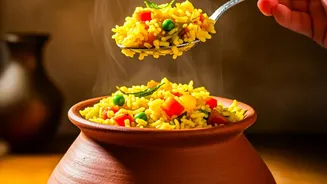
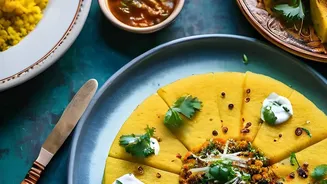
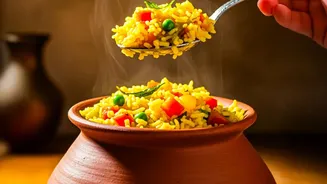
The easiest way to start is by not overthinking it. You don't need complicated, new-age recipes. Simply substitute millets in dishes you already know and love. If you're making upma for breakfast, try using foxtail millet instead of semolina; it cooks similarly and has a light texture. For lunch, instead of a plain vegetable pulao, use soaked and boiled jowar for a chewier, more nutritious version. When making dosas, try adding some ragi flour to your regular batter for a boost of calcium and a beautiful colour. And on a cold evening, a comforting bajra khichdi, cooked with moong dal and simple spices, can be a perfect one-pot meal. Start with one millet-based meal a week and see how easy it can be.