


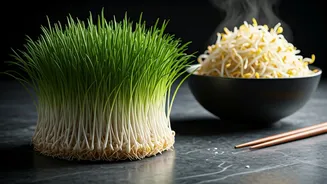




1. Rethink Raw Foods
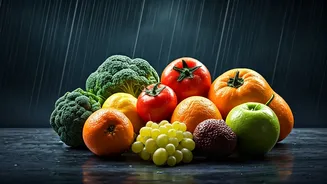
While a fresh salad or a plate of cut fruit seems healthy, it can be a source of trouble during the monsoon. The high humidity in the air allows bacteria and fungi to multiply rapidly on raw, uncooked food. Fruits and vegetables that are cut and left
exposed for even a short time can become breeding grounds for germs. Furthermore, the water used to wash them might be contaminated. It's wiser to switch to steamed, boiled, or grilled vegetables. If you must have fruit, opt for those you can peel yourself right before eating, like bananas, pomegranates, and oranges. This simple switch significantly reduces your risk of stomach infections.
2. Be Careful with Leafy Greens
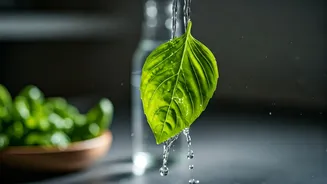
Spinach (palak), fenugreek (methi), and cabbage are packed with nutrients, but during the rains, they are also magnets for mud, grime, and worms. The damp, leafy folds provide the perfect environment for microbes to thrive. This doesn't mean you have to give them up entirely. Instead, be extra diligent. Soak them in a solution of salt or vinegar water for about 15-20 minutes, then rinse them thoroughly under clean, running water. Most importantly, always cook your leafy greens well to kill any lingering pathogens. Avoid eating them raw in salads or sandwiches during this season.
3. Make Friends with Hot, Cooked Meals
This is the season to embrace warmth. A hot, freshly prepared meal is not just comforting, it's also safer. The heat from cooking effectively destroys most harmful bacteria and viruses that cause common monsoon ailments like diarrhoea, cholera, and typhoid. Prioritise foods like soups, stews, and well-cooked dals and sabzis. Avoid pre-cooked meals or food that has been sitting at room temperature for a long time. Reheating food should be done thoroughly, ensuring it is piping hot all the way through, not just lukewarm.
4. Go Easy on Street Food
The craving for bhajiyas, samosas, and chaat intensifies with the rain, but this is the riskiest time to indulge. Street food vendors often work in open environments where their ingredients are exposed to contaminated water, flies, and airborne pollutants. The water used for making chutneys or pani puri is a major source of water-borne diseases. If the craving is irresistible, try making your favourite street snacks at home. This way, you control the hygiene, the quality of the water, and the freshness of the ingredients, giving you the taste without the health risk.
5. Boost Your Immunity Naturally
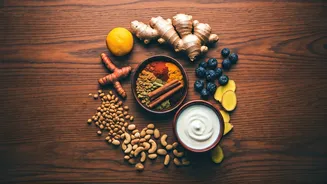
A strong immune system is your best defence. The monsoon can weaken our digestion and immunity. Incorporate traditional immunity-boosting foods into your diet. Spices like turmeric (haldi), ginger (adrak), garlic (lehsun), and black pepper (kali mirch) have powerful anti-inflammatory and anti-bacterial properties. A warm glass of haldi doodh before bed or a cup of herbal tea with ginger and tulsi can work wonders. Probiotic-rich foods like homemade dahi (yoghurt) help maintain good gut health, which is crucial for overall immunity.
6. Hydrate Smartly and Safely
It’s easy to drink less water during the cooler, humid monsoon days, but staying hydrated is essential for flushing out toxins. However, the source of your water is critical. Water-borne diseases are at their peak during this season. Rely on boiled or filtered water for drinking. Avoid drinking water from outside sources unless you are certain it is purified. Even when making beverages like nimbu pani or juices at home, use only clean, safe water. Be wary of ice cubes in drinks from restaurants or street vendors, as they are often made with unfiltered tap water.