




Embrace Vertical Gardening
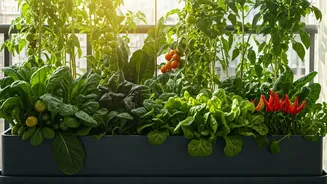
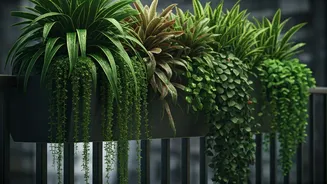
The secret to maximising a small space is to think vertically. Instead of spreading outwards, grow upwards. Wall-mounted planters, tiered shelves, and hanging baskets are your best friends. You can create a lush green wall on your balcony by installing
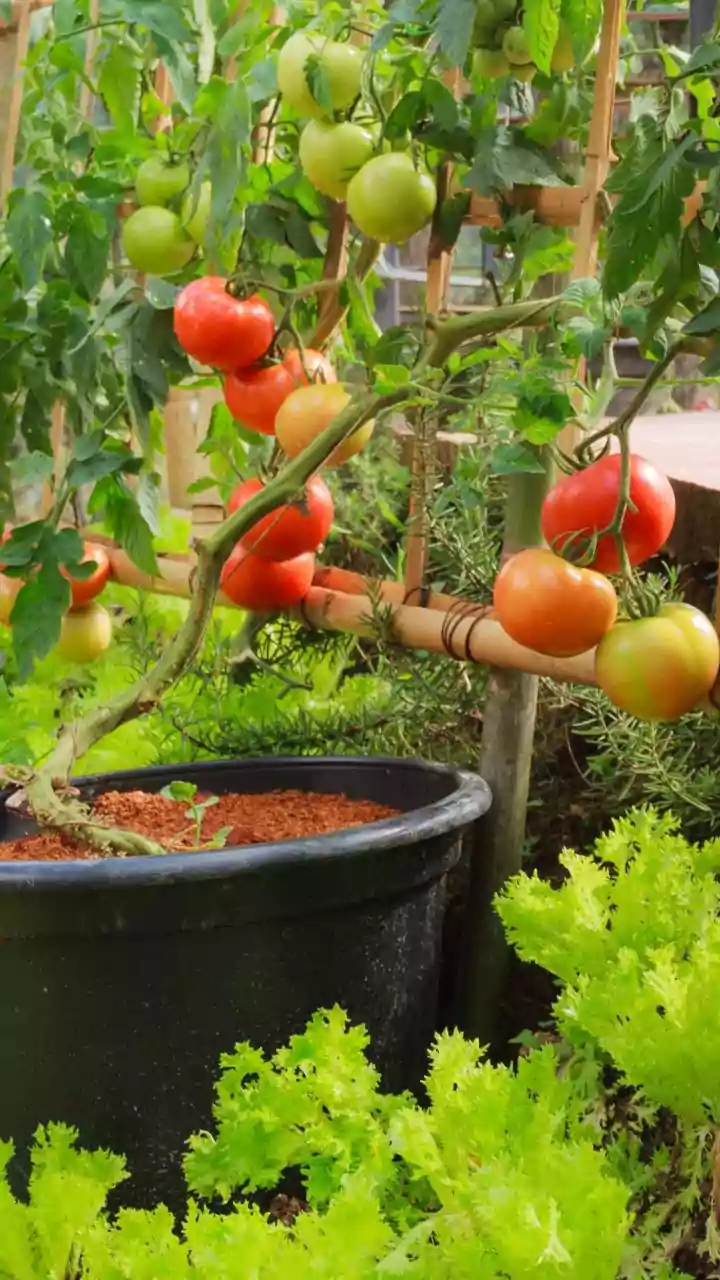
a simple trellis or mesh for climbers like cucumber, bitter gourd (karela), and bottle gourd (lauki). Even stacked pots work wonders. This method not only saves precious floor space but also improves air circulation around the plants, which is crucial for preventing fungal diseases common in the humid monsoon weather.
Choose Your Monsoon Champions
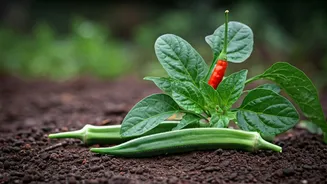
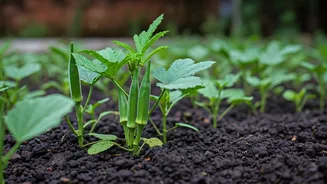
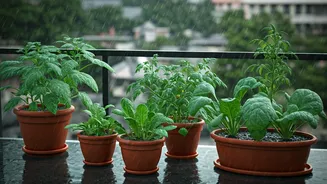
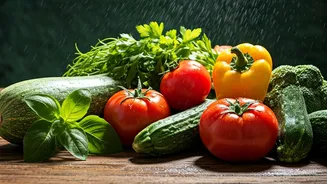
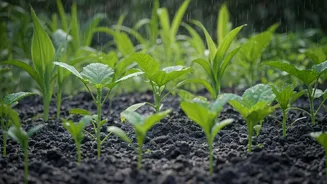
Not all plants love a downpour. The key is to choose varieties that thrive in the high humidity and wet conditions of the Indian monsoon. Leafy greens like spinach (palak), amaranth (chaulai), and mint (pudina) grow vigorously. For vegetables, okra (bhindi), cluster beans (gawar), and various gourds are excellent choices. Don't forget herbs! Basil, lemongrass, and chillies do exceptionally well and can add fresh flavour to your monsoon meals. Start with seeds or saplings that are known to be hardy and quick-growing to see results faster.
Get Smart with Containers and Drainage
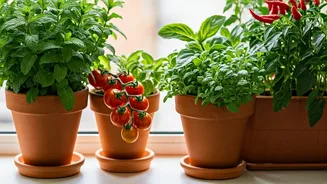
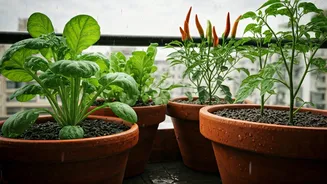
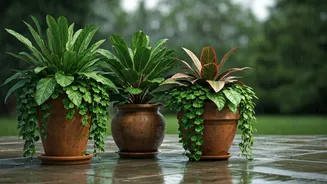
During the monsoon, your biggest enemy isn't lack of water, but too much of it. Waterlogged soil can lead to root rot, killing your plants. Ensure every pot, bag, or container you use has plenty of drainage holes at the bottom. It’s a great idea to add a layer of broken pot pieces or small stones at the base before filling it with soil to further improve drainage. Terracotta pots are a good choice as they are porous and allow roots to breathe. If you're using plastic pots, be extra sure about the drainage holes, perhaps even adding a few more yourself.
Master Essential Monsoon Care
While the rain might seem to take care of watering, you still need to be vigilant. On days with no rain, check the soil's moisture. If the top inch feels dry, it's time to water. Avoid watering the leaves; aim for the base of the plant to prevent fungal growth. The damp weather also invites pests like slugs and aphids. Regularly inspect your plants, especially the undersides of leaves. A simple spray of neem oil solution (a few drops of neem oil and liquid soap mixed in water) is an effective organic way to keep most pests at bay. For climbing plants, provide sturdy support to prevent them from breaking under the force of wind and rain.
Build a Strong Foundation with Soil
Good soil is the foundation of a healthy garden. For container gardening, a light and well-draining potting mix is essential. You can create your own by mixing equal parts garden soil, cocopeat, and compost (like vermicompost). Cocopeat helps retain the right amount of moisture without making the soil heavy, while compost provides essential nutrients. Heavy rains can wash away nutrients from the soil, so you may need to supplement. Feed your plants with a balanced liquid fertiliser or some more compost every 15-20 days to ensure they have the energy to grow strong and produce a bountiful harvest.