







From Sol Kadhi to Cool Cocktails
Walk into a chic cafe in Mumbai, Delhi, or Bengaluru, and you might spot a familiar flavour in an unfamiliar form. The ingredient once primarily known for making sol kadhi or souring fish curries is now the hero of artisanal mocktails, gin infusions,
and even salad dressings. This isn't just a random fad; it's a full-blown culinary movement. Bartenders and chefs are rediscovering this indigenous gem, drawn to its unique flavour and vibrant colour. They're swapping out imported berries and synthetic syrups for locally sourced kokum, creating drinks and dishes that feel both refreshingly modern and deeply rooted in Indian tradition.
A Quick Primer on Kokum
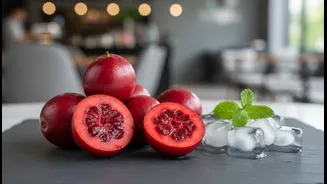
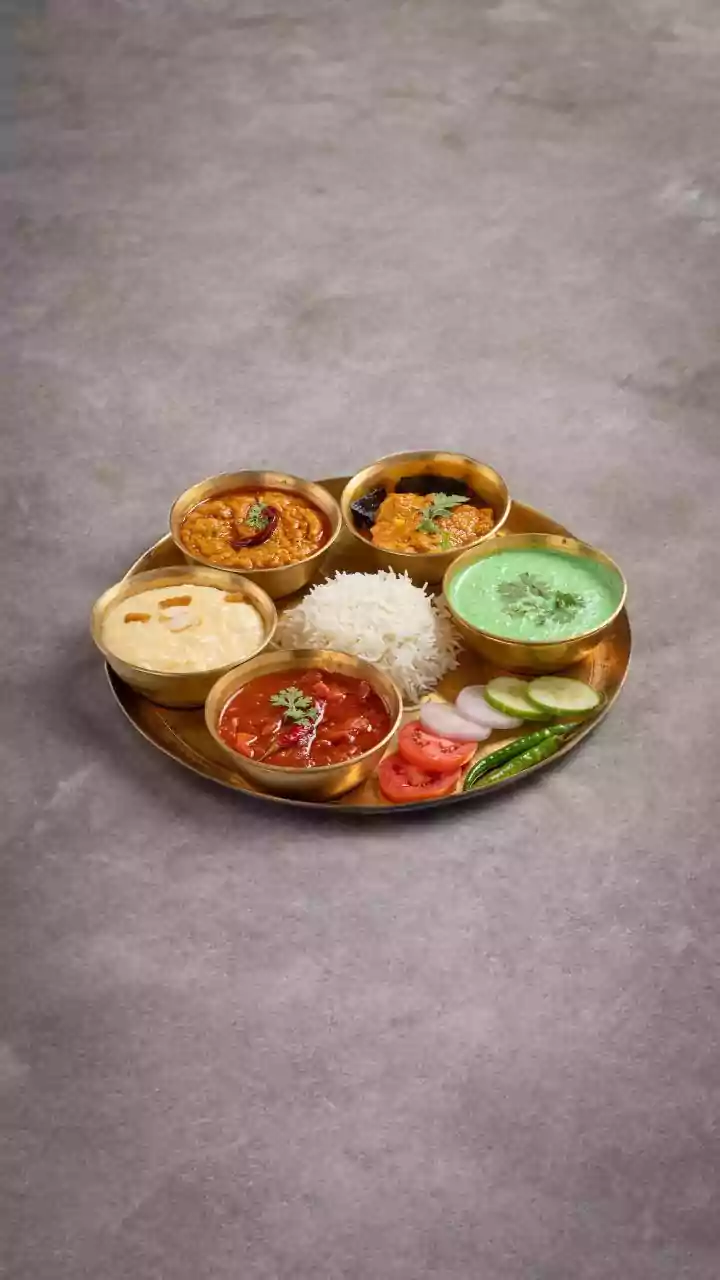
For the uninitiated, kokum, or Garcinia indica, is a fruit native to the Western Ghats. When fresh, it looks like a small plum, but it's most commonly used in its dried form, where the deep purple rind provides a signature tangy and slightly sweet flavour. Traditionally, it’s been the go-to souring agent in Maharashtrian, Goan, and Karnataka cuisines, valued for its ability to cut through richness without the sharp bite of tamarind. It's also famous for its role in sherbets and digestive drinks, praised for its cooling properties, especially during harsh Indian summers.
The Flavour Profile Fuelling the Trend
So why the sudden hype? Kokum's flavour is complex and versatile. It has a pronounced sourness balanced by floral and fruity undertones, which makes it a dynamic ingredient in mixology. Unlike the straightforward acidity of lime, kokum offers a layered taste that can elevate a simple gin and tonic or add a surprising twist to a margarita. Chefs have found that this complexity works well in savoury contexts too, using kokum to create tangy vinaigrettes for salads or a sour glaze for grilled meats and even chicken wings. Its ability to be turned into syrups, shrubs, powders, and infusions makes it incredibly adaptable for modern kitchen experiments.
The New Avatars of a Classic Fruit
The creativity is boundless. You’ll find Kokum Coolers and Fizz mocktails on menus, offering a non-alcoholic but sophisticated alternative to sugary sodas. For cocktail enthusiasts, there are kokum-infused gins, vodkas, and even kokum daiquiris that provide a uniquely Indian spin on classic drinks. The trend extends to food as well, with innovative creations like kokum and white chocolate cheesecake bites, kokum-chilli flatbreads, and even kokum-dusted appetisers making an appearance. It's a clear signal that chefs are no longer limiting kokum to its traditional roles.
It’s Healthy and That Helps
The wellness wave among young Indians is another major factor in kokum's resurgence. The fruit is a powerhouse of health benefits. It's rich in antioxidants and is known in Ayurveda for its digestive properties, helping with acidity and bloating. It also contains hydroxycitric acid (HCA), a compound that has been linked to appetite suppression and weight management. In an age where consumers are increasingly scrutinising labels and prioritising natural, functional foods, kokum fits the bill perfectly as a guilt-free indulgence.
A Return to Our Roots
Ultimately, kokum's cafe makeover is part of a larger, more significant trend: the reclamation of indigenous Indian ingredients. After years of looking outward for culinary inspiration, chefs and consumers are turning their attention inward. There's a growing pride in celebrating local produce and nostalgic flavours. This movement is about more than just food; it’s a form of cultural storytelling, connecting a new generation with the richness of India's biodiversity and culinary heritage, one delicious, Instagrammable drink at a time.