


The Philosophy: Think Ingredients, Not Just Recipes
The traditional approach to meal planning often involves finding distinct recipes and buying a separate list of ingredients for each. This can lead to a refrigerator full of half-used bunches of herbs and random vegetables. The ingredient overlap method
flips this on its head. Instead of starting with recipes, you start with a core set of versatile ingredients and think about the multiple, distinct meals you can create from them. This strategic shift not only simplifies grocery shopping but also fosters creativity in the kitchen. It’s about building a meal week around a few workhorse components rather than juggling seven different shopping lists.
Build Your 'Capsule Pantry'
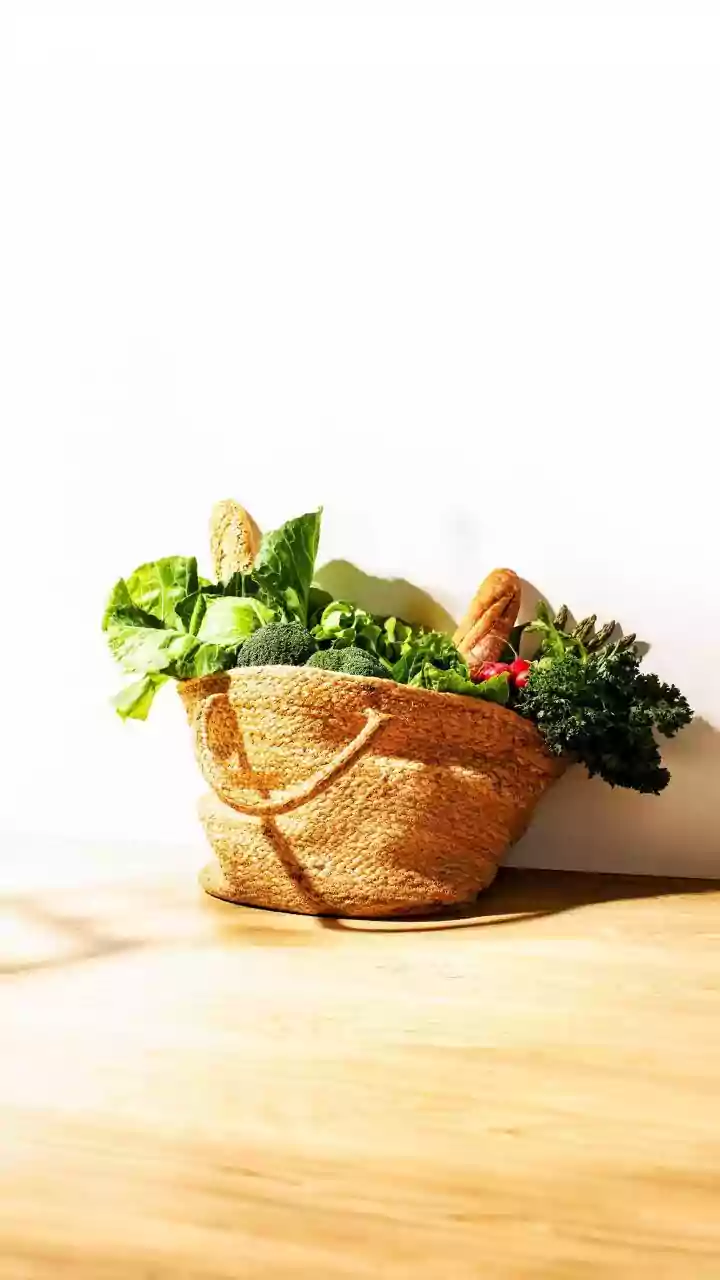
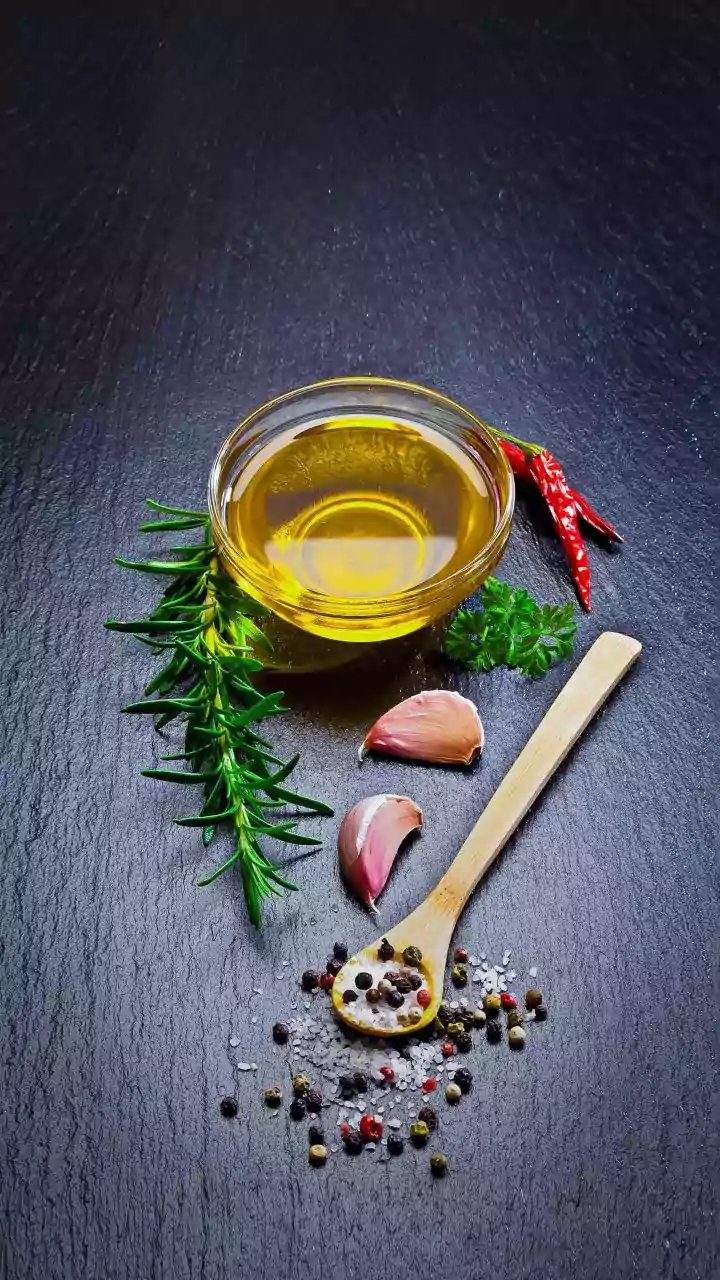
Inspired by the capsule wardrobe, a capsule pantry consists of essential, long-lasting items that form the foundation of countless meals. Everyone's list will be slightly different based on their eating habits, but a strong starting point includes items with a long shelf life. Think grains like rice and pasta, canned goods like tomatoes and beans, versatile oils like olive oil, and a solid collection of dried herbs and spices. Having these staples consistently on hand means you only need to purchase a few fresh items each week to create complete meals, saving you from last-minute grocery runs.
Choose Your Weekly 'Workhorse' Ingredients
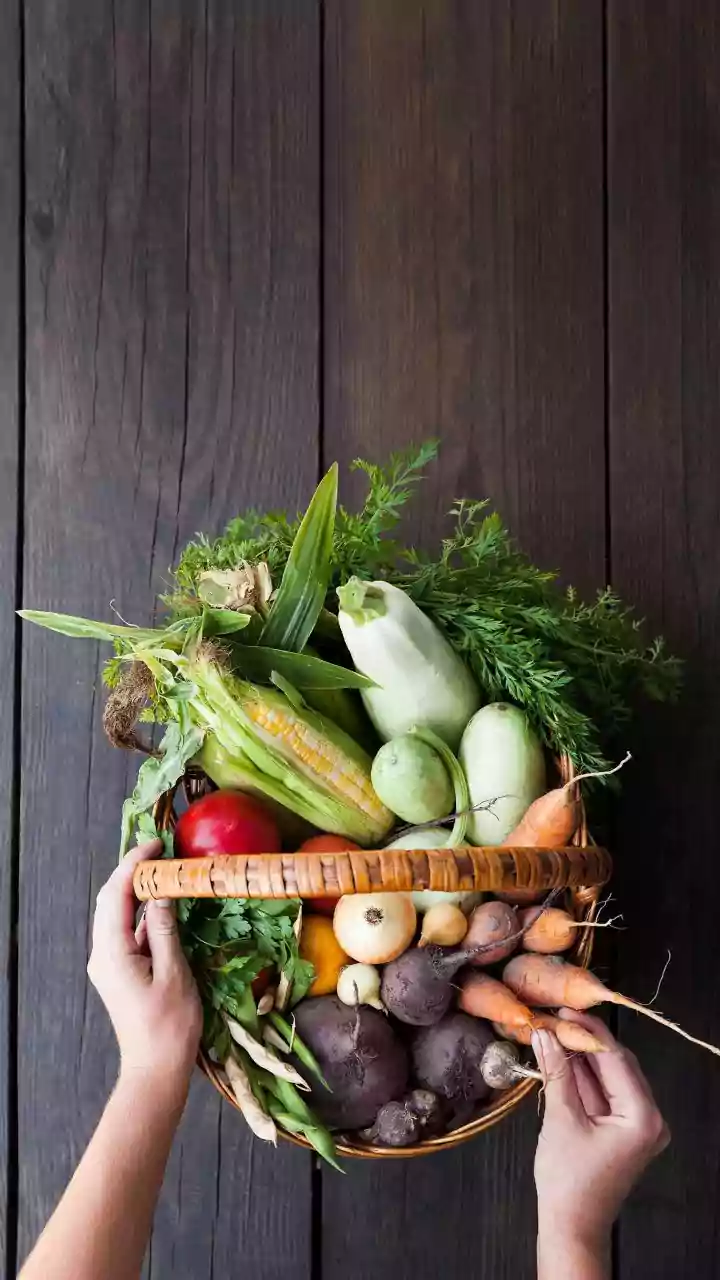
Each week, select one or two main proteins and a few versatile vegetables to be the stars of your meals. For example, a whole chicken can be roasted for one dinner, with the leftover meat used for tacos or a salad later in the week, and the carcass can be boiled to make stock for a soup. Similarly, a large bag of spinach can be used fresh in a salad, wilted into a pasta dish, and blended into a smoothie. Potatoes, onions, carrots, and bell peppers are other fantastic, adaptable choices that can be prepared in numerous ways across different cuisines. The key is to buy with a plan to use the entire purchase.
Master the Art of Flavour Chameleons
The secret to avoiding meal fatigue when using the same core ingredients is to vary the flavour profiles. This is where your spice rack, along with sauces and condiments, comes into play. The same base of chicken and rice can become a zesty Mexican bowl with cumin, chili powder, and lime one night, and an aromatic Indian curry with turmeric and coconut milk the next. Fresh herbs, vinegars, soy sauce, and citrus are all powerful tools for transformation. By changing the seasonings, you can make two meals feel completely different, even if they share the same primary components.
Putting It All Together: A Sample Plan
Imagine your shopping list includes chicken breasts, a bag of bell peppers, onions, and black beans, alongside your capsule pantry staples like rice and spices. From this, you could create three distinct dinners. Night one could be chicken fajitas with sliced peppers and onions. Night two could be a hearty black bean and chicken soup. For night three, you could create a vibrant chicken and pepper stir-fry served over rice. Each meal is unique, yet they all draw from the same small, efficient pool of fresh ingredients, ensuring nothing goes to waste. This approach makes planning flexible and cooking far less stressful.