


The Monsoon: A Perfect Storm for Spoilage
The defining feature of the Indian monsoon, high humidity, is the number one enemy of pet food. When moisture in the air is high, it creates the ideal breeding ground for mould, bacteria, and fungi. Dry kibble, which seems indestructible, can absorb this
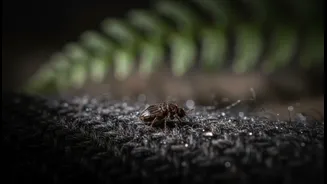
ambient moisture, becoming soft and susceptible to contamination. This moisture, combined with the season's warmth, accelerates the breakdown of fats and oils in the food, a process called oxidation, which not only destroys vital nutrients but also makes the food rancid and unpalatable. The damp, warm conditions are also an open invitation for pests like ants, weevils, and rodents, who are drawn to the scent of food. For these reasons, a casual approach to storing pet food is simply not an option during the rainy season.
Sealed: Your First Line of Defence
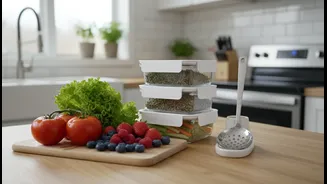
The original paper or plastic bag your pet's food comes in is not designed for long-term storage once opened. The single most important step you can take is to transfer the food to an airtight container. This creates a barrier against humidity, oxygen, and pests. Look for containers made of food-grade, BPA-free plastic, stainless steel, or glass with a secure locking lid or a screw-top that creates a genuine seal. Many experts recommend keeping the kibble inside its original bag and then placing the entire bag into the airtight container. This retains the batch information and expiry date in case of a recall and adds an extra layer of protection. Simply clipping the bag shut is not enough to keep out the monsoon dampness or determined insects.
Cool: Beating the Heat and Nutrient Loss
Heat is the second enemy of fresh pet food. High temperatures, even those found in a non-air-conditioned room, speed up the oxidation process that turns healthy fats rancid and degrades essential vitamins. Storing pet food in a garage, balcony, or near a sunny window is a common mistake that can spoil food quickly, especially when temperatures exceed 30°C. The ideal storage location is a cool, dark, and dry place. Think of a pantry, a kitchen cabinet away from the stove, or a closet inside your home that maintains a relatively stable, cool temperature. This simple step not only preserves the food’s nutritional value but also maintains its flavour, ensuring your pet enjoys every meal.
Off the Floor: Elevating for Safety
Storing pet food bags or containers directly on the floor is a widespread practice, but it carries significant risks, particularly during the monsoon. Floors can be a source of moisture, which can seep into bags or even unsealed containers, promoting mould growth from the bottom up. Furthermore, keeping food on the floor makes it an easy target for crawling insects and rodents. Elevating the container on a low shelf or a raised platform creates a crucial gap. This small change makes it harder for pests to find their way in and protects the food from any potential water seepage or floor-level dampness that is common during heavy rains. It’s a simple, effective barrier that adds a critical layer of protection.
Spotting the Spoilage: When to Throw It Out
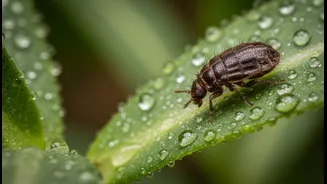
Despite your best efforts, it's important to know the signs of spoiled food. Trust your senses. If the food has a sour, chemical, or rancid smell—often compared to old paint or cardboard—it has gone bad. Visually inspect the kibble for any signs of mould, which can appear as white, grey, or dark fuzzy patches. Also look for webbing, clumping, or tiny insects, which indicate a pest infestation. The texture can also be a clue; if the kibble feels soft, greasy, or sticky instead of firm and dry, it has likely absorbed moisture or the fats have gone off. Remember that dogs have a much stronger sense of smell, so if your pet suddenly refuses food they normally love, it's worth inspecting the batch closely.